
Get trending papers in your email inbox once a day!
Get trending papers in your email inbox!
Subscribe


Atom: Low-bit Quantization for Efficient and Accurate LLM Serving
The growing demand for Large Language Models (LLMs) in applications such as content generation, intelligent chatbots, and sentiment analysis poses considerable challenges for LLM service providers. To efficiently use GPU resources and boost throughput, batching multiple requests has emerged as a popular paradigm; to further speed up batching, LLM quantization techniques reduce memory consumption and increase computing capacity. However, prevalent quantization schemes (e.g., 8-bit weight-activation quantization) cannot fully leverage the capabilities of modern GPUs, such as 4-bit integer operators, resulting in sub-optimal performance. To maximize LLMs' serving throughput, we introduce Atom, a low-bit quantization method that achieves high throughput improvements with negligible accuracy loss. Atom significantly boosts serving throughput by using low-bit operators and considerably reduces memory consumption via low-bit quantization. It attains high accuracy by applying a novel mixed-precision and fine-grained quantization process. We evaluate Atom on 4-bit weight-activation quantization setups in the serving context. Atom improves end-to-end throughput by up to 7.73times compared to the FP16 and by 2.53times compared to INT8 quantization, while maintaining the same latency target.


SCOUT: Toward Sub-Quadratic Attention via Segment Compression for Optimized Utility in Transformers
Transformers have demonstrated strong performance across a wide range of sequence modeling tasks, but their quadratic attention complexity limits scalability to long sequences. Linear models such as Mamba and sliding-window attention (SWA) address this by mixing tokens through recurrent or localized operations with fixed-size memory, achieving efficient inference. However, these methods risk degrading performance on long sequences due to their inability to retain detailed information from distant tokens. We propose SCOUT (Segment Compression for Optimized Utility in Transformers), a hybrid architecture that compresses tokens locally within fixed-size segments and applies attention only over these compressed representations. Each token embedding is first enriched via a linear local mixer, Mamba or SWA, that integrates recent context. Then, instead of attending to all previous tokens, each token sparsely attends to a small number of compressed checkpoint tokens that summarize the input history. This design retains much of the expressivity of full attention while substantially reducing the computational and memory cost. By attending to compressed history rather than all previous tokens, SCOUT incurs slightly higher memory than purely linear models, but its growth rate remains sub-quadratic and far more scalable than that of full Transformers. We analyze SCOUT's computational and memory efficiency and evaluate it empirically on long-context language modeling and reasoning tasks. SCOUT with both Mamba and SWA mixers outperforms strong long-sequence baselines under the same computational budget, matches full-attention Transformers on language modeling and common-sense reasoning tasks at 400M and 1.3B scales. Moreover, our SCOUT achieves higher end-to-end throughput than SOTA models, while delivering comparable results on long sequence benchmarks.
SARATHI: Efficient LLM Inference by Piggybacking Decodes with Chunked Prefills
Large Language Model (LLM) inference consists of two distinct phases - prefill phase which processes the input prompt and decode phase which generates output tokens autoregressively. While the prefill phase effectively saturates GPU compute at small batch sizes, the decode phase results in low compute utilization as it generates one token at a time per request. The varying prefill and decode times also lead to imbalance across micro-batches when using pipeline parallelism, resulting in further inefficiency due to bubbles. We present SARATHI to address these challenges. SARATHI employs chunked-prefills, which splits a prefill request into equal sized chunks, and decode-maximal batching, which constructs a batch using a single prefill chunk and populates the remaining slots with decodes. During inference, the prefill chunk saturates GPU compute, while the decode requests 'piggyback' and cost up to an order of magnitude less compared to a decode-only batch. Chunked-prefills allows constructing multiple decode-maximal batches from a single prefill request, maximizing coverage of decodes that can piggyback. Furthermore, the uniform compute design of these batches ameliorates the imbalance between micro-batches, significantly reducing pipeline bubbles. Our techniques yield significant improvements in inference performance across models and hardware. For the LLaMA-13B model on A6000 GPU, SARATHI improves decode throughput by up to 10x, and accelerates end-to-end throughput by up to 1.33x. For LLaMa-33B on A100 GPU, we achieve 1.25x higher end-to-end-throughput and up to 4.25x higher decode throughput. When used with pipeline parallelism on GPT-3, SARATHI reduces bubbles by 6.29x, resulting in an end-to-end throughput improvement of 1.91x.
Infinite-LLM: Efficient LLM Service for Long Context with DistAttention and Distributed KVCache
The rapid proliferation of Large Language Models (LLMs) has been a driving force in the growth of cloud-based LLM services, which are now integral to advancing AI applications. However, the dynamic auto-regressive nature of LLM service, along with the need to support exceptionally long context lengths, demands the flexible allocation and release of substantial resources. This presents considerable challenges in designing cloud-based LLM service systems, where inefficient management can lead to performance degradation or resource wastage. In response to these challenges, this work introduces DistAttention, a novel distributed attention algorithm that segments the KV Cache into smaller, manageable units, enabling distributed processing and storage of the attention module. Based on that, we propose DistKV-LLM, a distributed LLM serving system that dynamically manages KV Cache and effectively orchestrates all accessible GPU and CPU memories spanning across the data center. This ensures a high-performance LLM service on the cloud, adaptable to a broad range of context lengths. Validated in a cloud environment with 32 NVIDIA A100 GPUs in configurations from 2 to 32 instances, our system exhibited 1.03-2.4x end-to-end throughput improvements and supported context lengths 2-19x longer than current state-of-the-art LLM service systems, as evidenced by extensive testing across 18 datasets with context lengths up to 1,900K.



Fast Matrix Multiplications for Lookup Table-Quantized LLMs
The deployment of large language models (LLMs) is often constrained by memory bandwidth, where the primary bottleneck is the cost of transferring model parameters from the GPU's global memory to its registers. When coupled with custom kernels that fuse the dequantization and matmul operations, weight-only quantization can thus enable faster inference by reducing the amount of memory movement. However, developing high-performance kernels for weight-quantized LLMs presents substantial challenges, especially when the weights are compressed to non-evenly-divisible bit widths (e.g., 3 bits) with non-uniform, lookup table (LUT) quantization. This paper describes FLUTE, a flexible lookup table engine for LUT-quantized LLMs, which uses offline restructuring of the quantized weight matrix to minimize bit manipulations associated with unpacking, and vectorization and duplication of the lookup table to mitigate shared memory bandwidth constraints. At batch sizes < 32 and quantization group size of 128 (typical in LLM inference), the FLUTE kernel can be 2-4x faster than existing GEMM kernels. As an application of FLUTE, we explore a simple extension to lookup table-based NormalFloat quantization and apply it to quantize LLaMA3 to various configurations, obtaining competitive quantization performance against strong baselines while obtaining an end-to-end throughput increase of 1.5 to 2 times.



Striped Attention: Faster Ring Attention for Causal Transformers
To help address the growing demand for ever-longer sequence lengths in transformer models, Liu et al. recently proposed Ring Attention, an exact attention algorithm capable of overcoming per-device memory bottle- necks by distributing self-attention across multiple devices. In this paper, we study the performance characteristics of Ring Attention in the important special case of causal transformer models, and identify a key workload imbal- ance due to triangular structure of causal attention computations. We propose a simple extension to Ring Attention, which we call Striped Attention to fix this imbalance. Instead of devices having contiguous subsequences, each device has a subset of tokens distributed uniformly throughout the sequence, which we demonstrate leads to more even workloads. In experiments running Striped Attention on A100 GPUs and TPUv4s, we are able to achieve up to 1.45x end-to-end throughput improvements over the original Ring Attention algorithm on causal transformer training at a sequence length of 256k. Furthermore, on 16 TPUv4 chips, we were able to achieve 1.65x speedups at sequence lengths of 786k. We release the code for our experiments as open source

Understanding the Performance and Estimating the Cost of LLM Fine-Tuning
Due to the cost-prohibitive nature of training Large Language Models (LLMs), fine-tuning has emerged as an attractive alternative for specializing LLMs for specific tasks using limited compute resources in a cost-effective manner. In this paper, we characterize sparse Mixture of Experts (MoE) based LLM fine-tuning to understand their accuracy and runtime performance on a single GPU. Our evaluation provides unique insights into the training efficacy of sparse and dense versions of MoE models, as well as their runtime characteristics, including maximum batch size, execution time breakdown, end-to-end throughput, GPU hardware utilization, and load distribution. Our study identifies the optimization of the MoE layer as crucial for further improving the performance of LLM fine-tuning. Using our profiling results, we also develop and validate an analytical model to estimate the cost of LLM fine-tuning on the cloud. This model, based on parameters of the model and GPU architecture, estimates LLM throughput and the cost of training, aiding practitioners in industry and academia to budget the cost of fine-tuning a specific model.
Hydragen: High-Throughput LLM Inference with Shared Prefixes
Transformer-based large language models (LLMs) are now deployed to hundreds of millions of users. LLM inference is commonly performed on batches of sequences that share a prefix, such as few-shot examples or a chatbot system prompt. Decoding in this large-batch setting can be bottlenecked by the attention operation, which reads large key-value (KV) caches from memory and computes inefficient matrix-vector products for every sequence in the batch. In this work, we introduce Hydragen, a hardware-aware exact implementation of attention with shared prefixes. Hydragen computes attention over the shared prefix and unique suffixes separately. This decomposition enables efficient prefix attention by batching queries together across sequences, reducing redundant memory reads and enabling the use of hardware-friendly matrix multiplications. Our method can improve end-to-end LLM throughput by up to 32x against competitive baselines, with speedup growing with the batch size and shared prefix length. Hydragen also enables the use of very long shared contexts: with a high batch size, increasing the prefix length from 1K to 16K tokens decreases Hydragen throughput by less than 15%, while the throughput of baselines drops by over 90%. Hydragen generalizes beyond simple prefix-suffix decomposition and can be applied to tree-based prompt sharing patterns, allowing us to further reduce inference time on competitive programming problems by 55%.



NanoFlow: Towards Optimal Large Language Model Serving Throughput
The increasing usage of Large Language Models (LLMs) has resulted in a surging demand for planet-scale serving systems, where tens of thousands of GPUs continuously serve hundreds of millions of users. Consequently, throughput (under reasonable latency constraints) has emerged as a key metric that determines serving systems' performance. To boost throughput, various methods of inter-device parallelism (e.g., data, tensor, pipeline) have been explored. However, existing methods do not consider overlapping the utilization of different resources within a single device, leading to underutilization and sub-optimal performance. We propose NanoFlow, a novel serving framework that exploits intra-device parallelism, which overlaps the usage of resources including compute, memory, and network within a single device through operation co-scheduling. To exploit intra-device parallelism, NanoFlow introduces two key innovations: First, NanoFlow splits requests into nano-batches at the granularity of operations, which breaks the dependency of sequential operations in LLM inference and enables overlapping; then, to get benefit from overlapping, NanoFlow uses an operation-level pipeline with execution unit scheduling, which partitions the device's functional units and simultaneously executes different operations in each unit. NanoFlow automates the pipeline setup using a parameter search algorithm, which enables easily porting NanoFlow to different models. We implement NanoFlow on NVIDIA GPUs and evaluate end-to-end serving throughput on several popular models such as LLaMA-2-70B, Mixtral 8x7B, LLaMA-3-8B, etc.. With practical workloads, NanoFlow provides 1.91x throughput boost compared to state-of-the-art serving systems achieving 59% to 72% of optimal throughput across ported models.


RLinf: Flexible and Efficient Large-scale Reinforcement Learning via Macro-to-Micro Flow Transformation
Reinforcement learning (RL) has demonstrated immense potential in advancing artificial general intelligence, agentic intelligence, and embodied intelligence. However, the inherent heterogeneity and dynamicity of RL workflows often lead to low hardware utilization and slow training on existing systems. In this paper, we present RLinf, a high-performance RL training system based on our key observation that the major roadblock to efficient RL training lies in system flexibility. To maximize flexibility and efficiency, RLinf is built atop a novel RL system design paradigm called macro-to-micro flow transformation (M2Flow), which automatically breaks down high-level, easy-to-compose RL workflows at both the temporal and spatial dimensions, and recomposes them into optimized execution flows. Supported by RLinf worker's adaptive communication capability, we devise context switching and elastic pipelining to realize M2Flow transformation, and a profiling-guided scheduling policy to generate optimal execution plans. Extensive evaluations on both reasoning RL and embodied RL tasks demonstrate that RLinf consistently outperforms state-of-the-art systems, achieving 1.1x-2.13x speedup in end-to-end training throughput.
Seer: Online Context Learning for Fast Synchronous LLM Reinforcement Learning
Reinforcement Learning (RL) has become critical for advancing modern Large Language Models (LLMs), yet existing synchronous RL systems face severe performance bottlenecks. The rollout phase, which dominates end-to-end iteration time, suffers from substantial long-tail latency and poor resource utilization due to inherent workload imbalance. We present Seer, a novel online context learning system that addresses these challenges by exploiting previously overlooked similarities in output lengths and generation patterns among requests sharing the same prompt. Seer introduces three key techniques: divided rollout for dynamic load balancing, context-aware scheduling, and adaptive grouped speculative decoding. Together, these mechanisms substantially reduce long-tail latency and improve resource efficiency during rollout. Evaluations on production-grade RL workloads demonstrate that Seer improves end-to-end rollout throughput by 74% to 97% and reduces long-tail latency by 75% to 93% compared to state-of-the-art synchronous RL systems, significantly accelerating RL training iterations.
Efficient Long-context Language Model Training by Core Attention Disaggregation
We present core attention disaggregation (CAD), a technique that improves long-context large language model training by decoupling the core attention computation, softmax(QK^T)V, from the rest of the model and executing it on a separate pool of devices. In existing systems, core attention is colocated with other layers; at long context lengths, its quadratic compute growth compared to the near-linear growth of other components causes load imbalance and stragglers across data and pipeline parallel groups. CAD is enabled by two observations. First, core attention is stateless: it has no trainable parameters and only minimal transient data, so balancing reduces to scheduling compute-bound tasks. Second, it is composable: modern attention kernels retain high efficiency when processing fused batches of token-level shards with arbitrary lengths. CAD partitions core attention into token-level tasks and dispatches them to dedicated attention servers, which dynamically rebatch tasks to equalize compute without sacrificing kernel efficiency. We implement CAD in a system called DistCA, which uses a ping-pong execution scheme to fully overlap communication with computation and in-place execution on attention servers to reduce memory use. On 512 H200 GPUs and context lengths up to 512k tokens, DistCA improves end-to-end training throughput by up to 1.35x, eliminates data and pipeline parallel stragglers, and achieves near-perfect compute and memory balance.




Perseus: Removing Energy Bloat from Large Model Training
Training large AI models on numerous GPUs consumes a massive amount of energy. We observe that not all energy consumed during training directly contributes to end-to-end training throughput, and a significant portion can be removed without slowing down training, which we call energy bloat. In this work, we identify two independent sources of energy bloat in large model training, intrinsic and extrinsic, and propose Perseus, a unified optimization framework that mitigates both. Perseus obtains the "iteration time-energy" Pareto frontier of any large model training job using an efficient iterative graph cut-based algorithm and schedules energy consumption of its forward and backward computations across time to remove intrinsic and extrinsic energy bloat. Evaluation on large models like GPT-3 and Bloom shows that Perseus reduces energy consumption of large model training by up to 30%, enabling savings otherwise unobtainable before.


RINAS: Training with Dataset Shuffling Can Be General and Fast
Deep learning datasets are expanding at an unprecedented pace, creating new challenges for data processing in model training pipelines. A crucial aspect of these pipelines is dataset shuffling, which significantly improves unbiased learning and convergence accuracy by adhering to the principles of random sampling. However, loading shuffled data for large datasets incurs significant overhead in the deep learning pipeline and severely impacts the end-to-end training throughput. To mitigate this, current deep learning systems often resort to partial dataset shuffling, sacrificing global randomness to maintain acceptable training throughput on large datasets, still leaving global shuffling efficiency issues not fully explored. In this work, we present RINAS, a data loading framework that systematically addresses the performance bottleneck of loading global shuffled datasets. Our key contribution is to offer an intra-batch unordered data fetching approach, which unleashes unexplored parallelism of data loading. We implement RINAS under the PyTorch framework for common dataset libraries HuggingFace and TorchVision. Our experimental results show that RINAS improves the throughput of general language model training and vision model training by up to 59% and 89%, respectively.
Mixed Precision Training of Convolutional Neural Networks using Integer Operations
The state-of-the-art (SOTA) for mixed precision training is dominated by variants of low precision floating point operations, and in particular, FP16 accumulating into FP32 Micikevicius et al. (2017). On the other hand, while a lot of research has also happened in the domain of low and mixed-precision Integer training, these works either present results for non-SOTA networks (for instance only AlexNet for ImageNet-1K), or relatively small datasets (like CIFAR-10). In this work, we train state-of-the-art visual understanding neural networks on the ImageNet-1K dataset, with Integer operations on General Purpose (GP) hardware. In particular, we focus on Integer Fused-Multiply-and-Accumulate (FMA) operations which take two pairs of INT16 operands and accumulate results into an INT32 output.We propose a shared exponent representation of tensors and develop a Dynamic Fixed Point (DFP) scheme suitable for common neural network operations. The nuances of developing an efficient integer convolution kernel is examined, including methods to handle overflow of the INT32 accumulator. We implement CNN training for ResNet-50, GoogLeNet-v1, VGG-16 and AlexNet; and these networks achieve or exceed SOTA accuracy within the same number of iterations as their FP32 counterparts without any change in hyper-parameters and with a 1.8X improvement in end-to-end training throughput. To the best of our knowledge these results represent the first INT16 training results on GP hardware for ImageNet-1K dataset using SOTA CNNs and achieve highest reported accuracy using half-precision

STARFlow-V: End-to-End Video Generative Modeling with Normalizing Flow
Normalizing flows (NFs) are end-to-end likelihood-based generative models for continuous data, and have recently regained attention with encouraging progress on image generation. Yet in the video generation domain, where spatiotemporal complexity and computational cost are substantially higher, state-of-the-art systems almost exclusively rely on diffusion-based models. In this work, we revisit this design space by presenting STARFlow-V, a normalizing flow-based video generator with substantial benefits such as end-to-end learning, robust causal prediction, and native likelihood estimation. Building upon the recently proposed STARFlow, STARFlow-V operates in the spatiotemporal latent space with a global-local architecture which restricts causal dependencies to a global latent space while preserving rich local within-frame interactions. This eases error accumulation over time, a common pitfall of standard autoregressive diffusion model generation. Additionally, we propose flow-score matching, which equips the model with a light-weight causal denoiser to improve the video generation consistency in an autoregressive fashion. To improve the sampling efficiency, STARFlow-V employs a video-aware Jacobi iteration scheme that recasts inner updates as parallelizable iterations without breaking causality. Thanks to the invertible structure, the same model can natively support text-to-video, image-to-video as well as video-to-video generation tasks. Empirically, STARFlow-V achieves strong visual fidelity and temporal consistency with practical sampling throughput relative to diffusion-based baselines. These results present the first evidence, to our knowledge, that NFs are capable of high-quality autoregressive video generation, establishing them as a promising research direction for building world models. Code and generated samples are available at https://github.com/apple/ml-starflow.

TeLLMe v2: An Efficient End-to-End Ternary LLM Prefill and Decode Accelerator with Table-Lookup Matmul on Edge FPGAs
With the emergence of wearable devices and other embedded systems, deploying large language models (LLMs) on edge platforms has become an urgent need. However, this is challenging because of their high computational and memory demands. Although recent low-bit quantization methods (e.g., BitNet, DeepSeek) compress weights to as low as 1.58~bits with minimal accuracy loss, edge deployment is still constrained by limited on-chip resources, power budgets, and the often-neglected long latency of the prefill stage. We present TeLLMe, the first table-lookup-based ternary LLM accelerator for low-power edge FPGAs that fully supports both prefill and autoregressive decoding using 1.58-bit weights and 8-bit activations. TeLLMe incorporates several novel techniques, including (1) a table-lookup-based ternary matrix multiplication (TLMM) engine utilizing grouped activations and online precomputation for low resource utilization and high throughput; (2) a fine-grained analytic URAM-based weight buffer management scheme for efficient loading and compute engine access; (3) a streaming dataflow architecture that fuses floating-point element-wise operations with linear computations to hide latency; (4) a reversed-reordered prefill stage attention with fused attention operations for high memory efficiency; and (5) a resource-efficient specialized decoding stage attention. Under a 5~W power budget, TeLLMe delivers up to 25~tokens/s decoding throughput and 0.45--0.96~s time-to-first-token (TTFT) for 64--128 token prompts, marking a significant energy-efficiency advancement in LLM inference on edge FPGAs.
ScaleLLM: A Resource-Frugal LLM Serving Framework by Optimizing End-to-End Efficiency
Large language models (LLMs) have surged in popularity and are extensively used in commercial applications, where the efficiency of model serving is crucial for the user experience. Most current research focuses on optimizing individual sub-procedures, e.g. local inference and communication, however, there is no comprehensive framework that provides a holistic system view for optimizing LLM serving in an end-to-end manner. In this work, we conduct a detailed analysis to identify major bottlenecks that impact end-to-end latency in LLM serving systems. Our analysis reveals that a comprehensive LLM serving endpoint must address a series of efficiency bottlenecks that extend beyond LLM inference. We then propose ScaleLLM, an optimized system for resource-efficient LLM serving. Our extensive experiments reveal that with 64 concurrent requests, ScaleLLM achieves a 4.3x speed up over vLLM and outperforms state-of-the-arts with 1.5x higher throughput.
Intelligent Sensing-to-Action for Robust Autonomy at the Edge: Opportunities and Challenges
Autonomous edge computing in robotics, smart cities, and autonomous vehicles relies on the seamless integration of sensing, processing, and actuation for real-time decision-making in dynamic environments. At its core is the sensing-to-action loop, which iteratively aligns sensor inputs with computational models to drive adaptive control strategies. These loops can adapt to hyper-local conditions, enhancing resource efficiency and responsiveness, but also face challenges such as resource constraints, synchronization delays in multi-modal data fusion, and the risk of cascading errors in feedback loops. This article explores how proactive, context-aware sensing-to-action and action-to-sensing adaptations can enhance efficiency by dynamically adjusting sensing and computation based on task demands, such as sensing a very limited part of the environment and predicting the rest. By guiding sensing through control actions, action-to-sensing pathways can improve task relevance and resource use, but they also require robust monitoring to prevent cascading errors and maintain reliability. Multi-agent sensing-action loops further extend these capabilities through coordinated sensing and actions across distributed agents, optimizing resource use via collaboration. Additionally, neuromorphic computing, inspired by biological systems, provides an efficient framework for spike-based, event-driven processing that conserves energy, reduces latency, and supports hierarchical control--making it ideal for multi-agent optimization. This article highlights the importance of end-to-end co-design strategies that align algorithmic models with hardware and environmental dynamics and improve cross-layer interdependencies to improve throughput, precision, and adaptability for energy-efficient edge autonomy in complex environments.


From Hours to Seconds: Towards 100x Faster Quantitative Phase Imaging via Differentiable Microscopy
With applications ranging from metabolomics to histopathology, quantitative phase microscopy (QPM) is a powerful label-free imaging modality. Despite significant advances in fast multiplexed imaging sensors and deep-learning-based inverse solvers, the throughput of QPM is currently limited by the speed of electronic hardware. Complementarily, to improve throughput further, here we propose to acquire images in a compressed form such that more information can be transferred beyond the existing electronic hardware bottleneck. To this end, we present a learnable optical compression-decompression framework that learns content-specific features. The proposed differentiable quantitative phase microscopy (partial mu) first uses learnable optical feature extractors as image compressors. The intensity representation produced by these networks is then captured by the imaging sensor. Finally, a reconstruction network running on electronic hardware decompresses the QPM images. In numerical experiments, the proposed system achieves compression of times 64 while maintaining the SSIM of sim 0.90 and PSNR of sim 30 dB on cells. The results demonstrated by our experiments open up a new pathway for achieving end-to-end optimized (i.e., optics and electronic) compact QPM systems that may provide unprecedented throughput improvements.
Polar Sparsity: High Throughput Batched LLM Inferencing with Scalable Contextual Sparsity
Accelerating large language model (LLM) inference is critical for real-world deployments requiring high throughput and low latency. Contextual sparsity, where each token dynamically activates only a small subset of the model parameters, shows promise but does not scale to large batch sizes due to union of active neurons quickly approaching dense computation. We introduce Polar Sparsity, highlighting a key shift in sparsity importance from MLP to Attention layers as we scale batch size and sequence length. While MLP layers become more compute-efficient under batching, their sparsity vanishes. In contrast, attention becomes increasingly more expensive at scale, while their head sparsity remains stable and batch-invariant. We develop hardware-efficient, sparsity-aware GPU kernels for selective MLP and Attention computations, delivering up to \(2.2\times\) end-to-end speedups for models like OPT, LLaMA-2 \& 3, across various batch sizes and sequence lengths without compromising accuracy. To our knowledge, this is the first work to demonstrate that contextual sparsity can scale effectively to large batch sizes, delivering substantial inference acceleration with minimal changes, making Polar Sparsity practical for large-scale, high-throughput LLM deployment systems. Our code is available at: https://github.com/susavlsh10/Polar-Sparsity.

Beyond Inference: Performance Analysis of DNN Server Overheads for Computer Vision
Deep neural network (DNN) inference has become an important part of many data-center workloads. This has prompted focused efforts to design ever-faster deep learning accelerators such as GPUs and TPUs. However, an end-to-end DNN-based vision application contains more than just DNN inference, including input decompression, resizing, sampling, normalization, and data transfer. In this paper, we perform a thorough evaluation of computer vision inference requests performed on a throughput-optimized serving system. We quantify the performance impact of server overheads such as data movement, preprocessing, and message brokers between two DNNs producing outputs at different rates. Our empirical analysis encompasses many computer vision tasks including image classification, segmentation, detection, depth-estimation, and more complex processing pipelines with multiple DNNs. Our results consistently demonstrate that end-to-end application performance can easily be dominated by data processing and data movement functions (up to 56% of end-to-end latency in a medium-sized image, and sim 80% impact on system throughput in a large image), even though these functions have been conventionally overlooked in deep learning system design. Our work identifies important performance bottlenecks in different application scenarios, achieves 2.25times better throughput compared to prior work, and paves the way for more holistic deep learning system design.

SwiftKV: Fast Prefill-Optimized Inference with Knowledge-Preserving Model Transformation
LLM inference for popular enterprise use cases, such as summarization, RAG, and code-generation, typically observes orders of magnitude longer prompt lengths than generation lengths. This characteristic leads to high cost of prefill and increased response latency. In this paper, we present SwiftKV, a novel model transformation and distillation procedure specifically designed to reduce the time and cost of processing prompt tokens while preserving high quality of generated tokens. SwiftKV combines three key mechanisms: i) SingleInputKV, which prefills later layers' KV cache using a much earlier layer's output, allowing prompt tokens to skip much of the model computation, ii) AcrossKV, which merges the KV caches of neighboring layers to reduce the memory footprint and support larger batch size for higher throughput, and iii) a knowledge-preserving distillation procedure that can adapt existing LLMs for SwiftKV with minimal accuracy impact and low compute and data requirement. For Llama-3.1-8B and 70B, SwiftKV reduces the compute requirement of prefill by 50% and the memory requirement of the KV cache by 62.5% while incurring minimum quality degradation across a wide range of tasks. In the end-to-end inference serving using an optimized vLLM implementation, SwiftKV realizes up to 2x higher aggregate throughput and 60% lower time per output token. It can achieve a staggering 560 TFlops/GPU of normalized inference throughput, which translates to 16K tokens/s for Llama-3.1-70B in 16-bit precision on 4x H100 GPUs.



BigMac: A Communication-Efficient Mixture-of-Experts Model Structure for Fast Training and Inference
The Mixture-of-Experts (MoE) structure scales the Transformer-based large language models (LLMs) and improves their performance with only the sub-linear increase in computation resources. Recently, a fine-grained DeepSeekMoE structure is proposed, which can further improve the computing efficiency of MoE without performance degradation. However, the All-to-All communication introduced by MoE has become a bottleneck, especially for the fine-grained structure, which typically involves and activates more experts, hence contributing to heavier communication overhead. In this paper, we propose a novel MoE structure named BigMac, which is also fine-grained but with high communication efficiency. The innovation of BigMac is mainly due to that we abandon the communicate-descend-ascend-communicate (CDAC) manner used by fine-grained MoE, which leads to the All-to-All communication always taking place at the highest dimension. Instead, BigMac designs an efficient descend-communicate-communicate-ascend (DCCA) manner. Specifically, we add a descending and ascending projection at the entrance and exit of the expert, respectively, which enables the communication to perform at a very low dimension. Furthermore, to adapt to DCCA, we re-design the structure of small experts, ensuring that the expert in BigMac has enough complexity to address tokens. Experimental results show that BigMac achieves comparable or even better model quality than fine-grained MoEs with the same number of experts and a similar number of total parameters. Equally importantly, BigMac reduces the end-to-end latency by up to 3.09times for training and increases the throughput by up to 3.11times for inference on state-of-the-art AI computing frameworks including Megatron, Tutel, and DeepSpeed-Inference.

FlexLLM: A System for Co-Serving Large Language Model Inference and Parameter-Efficient Finetuning
Parameter-efficient finetuning (PEFT) is a widely used technique to adapt large language models for different tasks. Service providers typically create separate systems for users to perform PEFT model finetuning and inference tasks. This is because existing systems cannot handle workloads that include a mix of inference and PEFT finetuning requests. As a result, shared GPU resources are underutilized, leading to inefficiencies. To address this problem, we present FlexLLM, the first system that can serve inference and parameter-efficient finetuning requests in the same iteration. Our system leverages the complementary nature of these two tasks and utilizes shared GPU resources to run them jointly, using a method called co-serving. To achieve this, FlexLLM introduces a novel token-level finetuning mechanism, which breaks down the finetuning computation of a sequence into smaller token-level computations and uses dependent parallelization and graph pruning, two static compilation optimizations, to minimize the memory overhead and latency for co-serving. Compared to existing systems, FlexLLM's co-serving approach reduces the activation GPU memory overhead by up to 8x, and the end-to-end GPU memory requirement of finetuning by up to 36% while maintaining a low inference latency and improving finetuning throughput. For example, under a heavy inference workload, FlexLLM can still preserve more than 80% of the peak finetuning throughput, whereas existing systems cannot make any progress with finetuning. The source code of FlexLLM is publicly available at https://github.com/flexflow/FlexFlow.

Faster Inference of LLMs using FP8 on the Intel Gaudi
Low-precision data types are essential in modern neural networks during both training and inference as they enhance throughput and computational capacity by better exploiting available hardware resources. Despite the incorporation of FP8 in commercially available neural network accelerators, a comprehensive exposition of its underlying mechanisms, along with rigorous performance and accuracy evaluations, is still lacking. In this work, we contribute in three significant ways. First, we analyze the implementation details and quantization options associated with FP8 for inference on the Intel Gaudi AI accelerator. Second, we empirically quantify the throughput improvements afforded by the use of FP8 at both the operator level and in end-to-end scenarios. Third, we assess the accuracy impact of various FP8 quantization methods. Our experimental results indicate that the Intel Gaudi 2 accelerator consistently achieves high computational unit utilization, frequently exceeding 90% MFU, while incurring an accuracy degradation of less than 1%.

PIM-GPT: A Hybrid Process-in-Memory Accelerator for Autoregressive Transformers
Decoder-only Transformer models such as GPT have demonstrated superior performance in text generation, by autoregressively predicting the next token. However, the performance of GPT is bounded by low compute-to-memory-ratio and high memory access. Throughput-oriented architectures such as GPUs target parallel processing rather than sequential token generation, and are not efficient for GPT acceleration, particularly on-device inference applications. Process-in-memory (PIM) architectures can significantly reduce data movement and provide high computation parallelism, and are promising candidates to accelerate GPT inference. In this work, we propose PIM-GPT that aims to achieve high throughput, high energy efficiency and end-to-end acceleration of GPT inference. PIM-GPT leverages DRAM-based PIM solutions to perform multiply-accumulate (MAC) operations on the DRAM chips, greatly reducing data movement. A compact application-specific integrated chip (ASIC) is designed and synthesized to initiate instructions to PIM chips and support data communication along with necessary arithmetic computations. At the software level, the mapping scheme is designed to maximize data locality and computation parallelism by partitioning a matrix among DRAM channels and banks to utilize all in-bank computation resources concurrently. We develop an event-driven clock-cycle accurate simulator to validate the efficacy of the proposed PIM-GPT architecture. Overall, PIM-GPT achieves 41-137times, 631-1074times speedup and 339-1085times, 890-1632times energy efficiency over GPU and CPU baseline, respectively, on 8 GPT models with up to 1.4 billion parameters.
Cache-Craft: Managing Chunk-Caches for Efficient Retrieval-Augmented Generation
Retrieval-Augmented Generation (RAG) is often used with Large Language Models (LLMs) to infuse domain knowledge or user-specific information. In RAG, given a user query, a retriever extracts chunks of relevant text from a knowledge base. These chunks are sent to an LLM as part of the input prompt. Typically, any given chunk is repeatedly retrieved across user questions. However, currently, for every question, attention-layers in LLMs fully compute the key values (KVs) repeatedly for the input chunks, as state-of-the-art methods cannot reuse KV-caches when chunks appear at arbitrary locations with arbitrary contexts. Naive reuse leads to output quality degradation. This leads to potentially redundant computations on expensive GPUs and increases latency. In this work, we propose Cache-Craft, a system for managing and reusing precomputed KVs corresponding to the text chunks (we call chunk-caches) in RAG-based systems. We present how to identify chunk-caches that are reusable, how to efficiently perform a small fraction of recomputation to fix the cache to maintain output quality, and how to efficiently store and evict chunk-caches in the hardware for maximizing reuse while masking any overheads. With real production workloads as well as synthetic datasets, we show that Cache-Craft reduces redundant computation by 51% over SOTA prefix-caching and 75% over full recomputation. Additionally, with continuous batching on a real production workload, we get a 1.6X speed up in throughput and a 2X reduction in end-to-end response latency over prefix-caching while maintaining quality, for both the LLaMA-3-8B and LLaMA-3-70B models.



COMET: Towards Partical W4A4KV4 LLMs Serving
Quantization is a widely-used compression technology to reduce the overhead of serving large language models (LLMs) on terminal devices and in cloud data centers. However, prevalent quantization methods, such as 8-bit weight-activation or 4-bit weight-only quantization, achieve limited performance improvements due to poor support for low-precision (e.g., 4-bit) activation. This work, for the first time, realizes practical W4A4KV4 serving for LLMs, fully utilizing the INT4 tensor cores on modern GPUs and reducing the memory bottleneck caused by the KV cache. Specifically, we propose a novel fine-grained mixed-precision quantization algorithm (FMPQ) that compresses most activations into 4-bit with negligible accuracy loss. To support mixed-precision matrix multiplication for W4A4 and W4A8, we develop a highly optimized W4Ax kernel. Our approach introduces a novel mixed-precision data layout to facilitate access and fast dequantization for activation and weight tensors, utilizing the GPU's software pipeline to hide the overhead of data loading and conversion. Additionally, we propose fine-grained streaming multiprocessor (SM) scheduling to achieve load balance across different SMs. We integrate the optimized W4Ax kernel into our inference framework, COMET, and provide efficient management to support popular LLMs such as LLaMA-3-70B. Extensive evaluations demonstrate that, when running LLaMA family models on a single A100-80G-SMX4, COMET achieves a kernel-level speedup of 2.88times over cuBLAS and a 2.02 times throughput improvement compared to TensorRT-LLM from an end-to-end framework perspective.
S$^{3}$: Increasing GPU Utilization during Generative Inference for Higher Throughput
Generating texts with a large language model (LLM) consumes massive amounts of memory. Apart from the already-large model parameters, the key/value (KV) cache that holds information about previous tokens in a sequence can grow to be even larger than the model itself. This problem is exacerbated in one of the current LLM serving frameworks which reserves the maximum sequence length of memory for the KV cache to guarantee generating a complete sequence as they do not know the output sequence length. This restricts us to use a smaller batch size leading to lower GPU utilization and above all, lower throughput. We argue that designing a system with a priori knowledge of the output sequence can mitigate this problem. To this end, we propose S^{3}, which predicts the output sequence length, schedules generation queries based on the prediction to increase device resource utilization and throughput, and handle mispredictions. Our proposed method achieves 6.49times throughput over those systems that assume the worst case for the output sequence length.
Experimentation, deployment and monitoring Machine Learning models: Approaches for applying MLOps
In recent years, Data Science has become increasingly relevant as a support tool for industry, significantly enhancing decision-making in a way never seen before. In this context, the MLOps discipline emerges as a solution to automate the life cycle of Machine Learning models, ranging from experimentation to monitoring in productive environments. Research results shows MLOps is a constantly evolving discipline, with challenges and solutions for integrating development and production environments, publishing models in production environments, and monitoring models throughout the end to end development lifecycle. This paper contributes to the understanding of MLOps techniques and their most diverse applications.

OmniFlatten: An End-to-end GPT Model for Seamless Voice Conversation
Full-duplex spoken dialogue systems significantly advance over traditional turn-based dialogue systems, as they allow simultaneous bidirectional communication, closely mirroring human-human interactions. However, achieving low latency and natural interactions in full-duplex dialogue systems remains a significant challenge, especially considering human conversation dynamics such as interruptions, backchannels, and overlapping speech. In this paper, we introduce a novel End-to-End GPT-based model OmniFlatten for full-duplex conversation, capable of effectively modeling the complex behaviors inherent to natural conversations with low latency. To achieve full-duplex communication capabilities, we propose a multi-stage post-training scheme that progressively adapts a text-based large language model (LLM) backbone into a speech-text dialogue LLM, capable of generating text and speech in real time, without modifying the architecture of the backbone LLM. The training process comprises three stages: modality alignment, half-duplex dialogue learning, and full-duplex dialogue learning. Throughout all training stages, we standardize the data using a flattening operation, which allows us to unify the training methods and the model architecture across different modalities and tasks. Our approach offers a straightforward modeling technique and a promising research direction for developing efficient and natural end-to-end full-duplex spoken dialogue systems. Audio samples of dialogues generated by OmniFlatten can be found at this web site (https://omniflatten.github.io/).
Closing the AI Accountability Gap: Defining an End-to-End Framework for Internal Algorithmic Auditing
Rising concern for the societal implications of artificial intelligence systems has inspired a wave of academic and journalistic literature in which deployed systems are audited for harm by investigators from outside the organizations deploying the algorithms. However, it remains challenging for practitioners to identify the harmful repercussions of their own systems prior to deployment, and, once deployed, emergent issues can become difficult or impossible to trace back to their source. In this paper, we introduce a framework for algorithmic auditing that supports artificial intelligence system development end-to-end, to be applied throughout the internal organization development lifecycle. Each stage of the audit yields a set of documents that together form an overall audit report, drawing on an organization's values or principles to assess the fit of decisions made throughout the process. The proposed auditing framework is intended to contribute to closing the accountability gap in the development and deployment of large-scale artificial intelligence systems by embedding a robust process to ensure audit integrity.

Transformers Get Stable: An End-to-End Signal Propagation Theory for Language Models
In spite of their huge success, transformer models remain difficult to scale in depth. In this work, we develop a unified signal propagation theory and provide formulae that govern the moments of the forward and backward signal through the transformer model. Our framework can be used to understand and mitigate vanishing/exploding gradients, rank collapse, and instability associated with high attention scores. We also propose DeepScaleLM, an initialization and scaling scheme that conserves unit output/gradient moments throughout the model, enabling the training of very deep models with 100s of layers. We find that transformer models could be much deeper - our deep models with fewer parameters outperform shallow models in Language Modeling, Speech Translation, and Image Classification, across Encoder-only, Decoder-only and Encoder-Decoder variants, for both Pre-LN and Post-LN transformers, for multiple datasets and model sizes. These improvements also translate into improved performance on downstream Question Answering tasks and improved robustness for image classification.

ResearchGPT: Benchmarking and Training LLMs for End-to-End Computer Science Research Workflows
As large language models (LLMs) advance, the ultimate vision for their role in science is emerging: we could build an AI collaborator to effectively assist human beings throughout the entire scientific research process. We refer to this envisioned system as ResearchGPT. Given that scientific research progresses through multiple interdependent phases, achieving this vision requires rigorous benchmarks that evaluate the end-to-end workflow rather than isolated sub-tasks. To this end, we contribute CS-54k, a high-quality corpus of scientific Q&A pairs in computer science, built from 14k CC-licensed papers. It is constructed through a scalable, paper-grounded pipeline that combines retrieval-augmented generation (RAG) with multi-stage quality control to ensure factual grounding. From this unified corpus, we derive two complementary subsets: CS-4k, a carefully curated benchmark for evaluating AI's ability to assist scientific research, and CS-50k, a large-scale training dataset. Extensive experiments demonstrate that CS-4k stratifies state-of-the-art LLMs into distinct capability tiers. Open models trained on CS-50k with supervised training and reinforcement learning demonstrate substantial improvements. Even 7B-scale models, when properly trained, outperform many larger proprietary systems, such as GPT-4.1, GPT-4o, and Gemini 2.5 Pro. This indicates that making AI models better research assistants relies more on domain-aligned training with high-quality data than on pretraining scale or general benchmark performance. We release CS-4k and CS-50k in the hope of fostering AI systems as reliable collaborators in CS research.

Blueprints of Trust: AI System Cards for End to End Transparency and Governance
This paper introduces the Hazard-Aware System Card (HASC), a novel framework designed to enhance transparency and accountability in the development and deployment of AI systems. The HASC builds upon existing model card and system card concepts by integrating a comprehensive, dynamic record of an AI system's security and safety posture. The framework proposes a standardized system of identifiers, including a novel AI Safety Hazard (ASH) ID, to complement existing security identifiers like CVEs, allowing for clear and consistent communication of fixed flaws. By providing a single, accessible source of truth, the HASC empowers developers and stakeholders to make more informed decisions about AI system safety throughout its lifecycle. Ultimately, we also compare our proposed AI system cards with the ISO/IEC 42001:2023 standard and discuss how they can be used to complement each other, providing greater transparency and accountability for AI systems.




ThinkDial: An Open Recipe for Controlling Reasoning Effort in Large Language Models
Large language models (LLMs) with chain-of-thought reasoning have demonstrated remarkable problem-solving capabilities, but controlling their computational effort remains a significant challenge for practical deployment. Recent proprietary systems like OpenAI's gpt-oss series have introduced discrete operational modes for intuitive reasoning control, but the open-source community has largely failed to achieve such capabilities. In this paper, we introduce ThinkDial, the first open-recipe end-to-end framework that successfully implements gpt-oss-style controllable reasoning through discrete operational modes. Our system enables seamless switching between three distinct reasoning regimes: High mode (full reasoning capability), Medium mode (50 percent token reduction with <10 percent performance degradation), and Low mode (75 percent token reduction with <15 percent performance degradation). We achieve this through an end-to-end training paradigm that integrates budget-mode control throughout the entire pipeline: budget-mode supervised fine-tuning that embeds controllable reasoning capabilities directly into the learning process, and two-phase budget-aware reinforcement learning with adaptive reward shaping. Extensive experiments demonstrate that ThinkDial achieves target compression-performance trade-offs with clear response length reductions while maintaining performance thresholds. The framework also exhibits strong generalization capabilities on out-of-distribution tasks.
GUI-Reflection: Empowering Multimodal GUI Models with Self-Reflection Behavior
Multimodal Large Language Models (MLLMs) have shown great potential in revolutionizing Graphical User Interface (GUI) automation. However, existing GUI models mostly rely on learning from nearly error-free offline trajectories, thus lacking reflection and error recovery capabilities. To bridge this gap, we propose GUI-Reflection, a novel framework that explicitly integrates self-reflection and error correction capabilities into end-to-end multimodal GUI models throughout dedicated training stages: GUI-specific pre-training, offline supervised fine-tuning (SFT), and online reflection tuning. GUI-reflection enables self-reflection behavior emergence with fully automated data generation and learning processes without requiring any human annotation. Specifically, 1) we first propose scalable data pipelines to automatically construct reflection and error correction data from existing successful trajectories. While existing GUI models mainly focus on grounding and UI understanding ability, we propose the GUI-Reflection Task Suite to learn and evaluate reflection-oriented abilities explicitly. 2) Furthermore, we built a diverse and efficient environment for online training and data collection of GUI models on mobile devices. 3) We also present an iterative online reflection tuning algorithm leveraging the proposed environment, enabling the model to continuously enhance its reflection and error correction abilities. Our framework equips GUI agents with self-reflection and correction capabilities, paving the way for more robust, adaptable, and intelligent GUI automation, with all data, models, environments, and tools to be released publicly.
Dynamic Sparse Learning: A Novel Paradigm for Efficient Recommendation
In the realm of deep learning-based recommendation systems, the increasing computational demands, driven by the growing number of users and items, pose a significant challenge to practical deployment. This challenge is primarily twofold: reducing the model size while effectively learning user and item representations for efficient recommendations. Despite considerable advancements in model compression and architecture search, prevalent approaches face notable constraints. These include substantial additional computational costs from pre-training/re-training in model compression and an extensive search space in architecture design. Additionally, managing complexity and adhering to memory constraints is problematic, especially in scenarios with strict time or space limitations. Addressing these issues, this paper introduces a novel learning paradigm, Dynamic Sparse Learning (DSL), tailored for recommendation models. DSL innovatively trains a lightweight sparse model from scratch, periodically evaluating and dynamically adjusting each weight's significance and the model's sparsity distribution during the training. This approach ensures a consistent and minimal parameter budget throughout the full learning lifecycle, paving the way for "end-to-end" efficiency from training to inference. Our extensive experimental results underline DSL's effectiveness, significantly reducing training and inference costs while delivering comparable recommendation performance.
RadAdapt: Radiology Report Summarization via Lightweight Domain Adaptation of Large Language Models
We systematically investigate lightweight strategies to adapt large language models (LLMs) for the task of radiology report summarization (RRS). Specifically, we focus on domain adaptation via pretraining (on natural language, biomedical text, or clinical text) and via discrete prompting or parameter-efficient fine-tuning. Our results consistently achieve best performance by maximally adapting to the task via pretraining on clinical text and fine-tuning on RRS examples. Importantly, this method fine-tunes a mere 0.32% of parameters throughout the model, in contrast to end-to-end fine-tuning (100% of parameters). Additionally, we study the effect of in-context examples and out-of-distribution (OOD) training before concluding with a radiologist reader study and qualitative analysis. Our findings highlight the importance of domain adaptation in RRS and provide valuable insights toward developing effective natural language processing solutions for clinical tasks.




StoryReasoning Dataset: Using Chain-of-Thought for Scene Understanding and Grounded Story Generation
Visual storytelling systems struggle to maintain character identity across frames and link actions to appropriate subjects, frequently leading to referential hallucinations. These issues can be addressed through grounding of characters, objects, and other entities on the visual elements. We propose StoryReasoning, a dataset containing 4,178 stories derived from 52,016 movie images, with both structured scene analyses and grounded stories. Each story maintains character and object consistency across frames while explicitly modeling multi-frame relationships through structured tabular representations. Our approach features cross-frame object re-identification using visual similarity and face recognition, chain-of-thought reasoning for explicit narrative modeling, and a grounding scheme that links textual elements to visual entities across multiple frames. We establish baseline performance by fine-tuning Qwen2.5-VL 7B, creating Qwen Storyteller, which performs end-to-end object detection, re-identification, and landmark detection while maintaining consistent object references throughout the story. Evaluation demonstrates a reduction from 4.06 to 3.56 (-12.3%) hallucinations on average per story when compared to a non-fine-tuned model.
Andes: Defining and Enhancing Quality-of-Experience in LLM-Based Text Streaming Services
The advent of large language models (LLMs) has transformed text-based services, enabling capabilities ranging from real-time translation to AI-driven chatbots. However, existing serving systems primarily focus on optimizing server-side aggregate metrics like token generation throughput, ignoring individual user experience with streamed text. As a result, under high and/or bursty load, a significant number of users can receive unfavorable service quality or poor Quality-of-Experience (QoE). In this paper, we first formally define QoE of text streaming services, where text is delivered incrementally and interactively to users, by considering the end-to-end token delivery process throughout the entire interaction with the user. Thereafter, we propose Andes, a QoE-aware serving system that enhances user experience for LLM-enabled text streaming services. At its core, Andes strategically allocates contended GPU resources among multiple requests over time to optimize their QoE. Our evaluations demonstrate that, compared to the state-of-the-art LLM serving systems like vLLM, Andes improves the average QoE by up to 3.2times under high request rate, or alternatively, it attains up to 1.6times higher request rate while preserving high QoE.



DynamoNet: Dynamic Action and Motion Network
In this paper, we are interested in self-supervised learning the motion cues in videos using dynamic motion filters for a better motion representation to finally boost human action recognition in particular. Thus far, the vision community has focused on spatio-temporal approaches using standard filters, rather we here propose dynamic filters that adaptively learn the video-specific internal motion representation by predicting the short-term future frames. We name this new motion representation, as dynamic motion representation (DMR) and is embedded inside of 3D convolutional network as a new layer, which captures the visual appearance and motion dynamics throughout entire video clip via end-to-end network learning. Simultaneously, we utilize these motion representation to enrich video classification. We have designed the frame prediction task as an auxiliary task to empower the classification problem. With these overall objectives, to this end, we introduce a novel unified spatio-temporal 3D-CNN architecture (DynamoNet) that jointly optimizes the video classification and learning motion representation by predicting future frames as a multi-task learning problem. We conduct experiments on challenging human action datasets: Kinetics 400, UCF101, HMDB51. The experiments using the proposed DynamoNet show promising results on all the datasets.
Greed is Good: A Unifying Perspective on Guided Generation
Training-free guided generation is a widely used and powerful technique that allows the end user to exert further control over the generative process of flow/diffusion models. Generally speaking, two families of techniques have emerged for solving this problem for gradient-based guidance: namely, posterior guidance (i.e., guidance via projecting the current sample to the target distribution via the target prediction model) and end-to-end guidance (i.e., guidance by performing backpropagation throughout the entire ODE solve). In this work, we show that these two seemingly separate families can actually be unified by looking at posterior guidance as a greedy strategy of end-to-end guidance. We explore the theoretical connections between these two families and provide an in-depth theoretical of these two techniques relative to the continuous ideal gradients. Motivated by this analysis we then show a method for interpolating between these two families enabling a trade-off between compute and accuracy of the guidance gradients. We then validate this work on several inverse image problems and property-guided molecular generation.

RDMA Point-to-Point Communication for LLM Systems
Emerging Large Language Model (LLM) system patterns, such as disaggregated inference, Mixture-of-Experts (MoE) routing, and asynchronous reinforcement fine-tuning, require flexible point-to-point communication beyond simple collectives. Existing implementations are locked to specific Network Interface Controllers (NICs), hindering integration into inference engines and portability across hardware providers. We present TransferEngine, which bridges the functionality of common NICs to expose a uniform interface. TransferEngine exposes one-sided WriteImm operations with a ImmCounter primitive for completion notification, without ordering assumptions of network transport, transparently managing multiple NICs per GPU. We demonstrate peak throughput of 400 Gbps on both NVIDIA ConnectX-7 and AWS Elastic Fabric Adapter (EFA). We showcase TransferEngine through three production systems: (1) KvCache transfer for disaggregated inference with dynamic scaling, (2) RL weight updates achieving 1.3 seconds for trillion-parameter models, and (3) MoE dispatch/combine implementation exceeding DeepEP decode latency on ConnectX-7, with the first viable latencies on EFA. We demonstrate that our portable point-to-point communication complements collectives while avoiding lock-in.

Predicting Bandwidth Utilization on Network Links Using Machine Learning
Predicting the bandwidth utilization on network links can be extremely useful for detecting congestion in order to correct them before they occur. In this paper, we present a solution to predict the bandwidth utilization between different network links with a very high accuracy. A simulated network is created to collect data related to the performance of the network links on every interface. These data are processed and expanded with feature engineering in order to create a training set. We evaluate and compare three types of machine learning algorithms, namely ARIMA (AutoRegressive Integrated Moving Average), MLP (Multi Layer Perceptron) and LSTM (Long Short-Term Memory), in order to predict the future bandwidth consumption. The LSTM outperforms ARIMA and MLP with very accurate predictions, rarely exceeding a 3\% error (40\% for ARIMA and 20\% for the MLP). We then show that the proposed solution can be used in real time with a reaction managed by a Software-Defined Networking (SDN) platform.

Challenging the Need for Packet Spraying in Large-Scale Distributed Training
Large-scale distributed training in production datacenters constitutes a challenging workload bottlenecked by network communication. In response, both major industry players (e.g., Ultra Ethernet Consortium) and parts of academia have surprisingly, and almost unanimously, agreed that packet spraying is necessary to improve the performance of large-scale distributed training workloads. In this paper, we challenge this prevailing belief and pose the question: How close can a singlepath transport approach an optimal multipath transport? We demonstrate that singlepath transport (from a NIC's perspective) is sufficient and can perform nearly as well as an ideal multipath transport with packet spraying, particularly in the context of distributed training in leaf-spine topologies. Our assertion is based on four key observations about workloads driven by collective communication patterns: (i) flows within a collective start almost simultaneously, (ii) flow sizes are nearly equal, (iii) the completion time of a collective is more crucial than individual flow completion times, and (iv) flows can be split upon arrival. We analytically prove that singlepath transport, using minimal flow splitting (at the application layer), is equivalent to an ideal multipath transport with packet spraying in terms of maximum congestion. Our preliminary evaluations support our claims. This paper suggests an alternative agenda for developing next-generation transport protocols tailored for large-scale distributed training.
TPI-LLM: Serving 70B-scale LLMs Efficiently on Low-resource Edge Devices
Large model inference is shifting from cloud to edge due to concerns about the privacy of user interaction data. However, edge devices often struggle with limited computing power, memory, and bandwidth, requiring collaboration across multiple devices to run and speed up LLM inference. Pipeline parallelism, the mainstream solution, is inefficient for single-user scenarios, while tensor parallelism struggles with frequent communications. In this paper, we argue that tensor parallelism can be more effective than pipeline on low-resource devices, and present a compute- and memory-efficient tensor parallel inference system, named TPI-LLM, to serve 70B-scale models. TPI-LLM keeps sensitive raw data local in the users' devices and introduces a sliding window memory scheduler to dynamically manage layer weights during inference, with disk I/O latency overlapped with the computation and communication. This allows larger models to run smoothly on memory-limited devices. We analyze the communication bottleneck and find that link latency, not bandwidth, emerges as the main issue, so a star-based allreduce algorithm is implemented. Through extensive experiments on both emulated and real testbeds, TPI-LLM demonstrated over 80% less time-to-first-token and token latency compared to Accelerate, and over 90% compared to Transformers and Galaxy, while cutting the peak memory footprint of Llama 2-70B by 90%, requiring only 3.1 GB of memory for 70B-scale models.


SMART: A Surrogate Model for Predicting Application Runtime in Dragonfly Systems
The Dragonfly network, with its high-radix and low-diameter structure, is a leading interconnect in high-performance computing. A major challenge is workload interference on shared network links. Parallel discrete event simulation (PDES) is commonly used to analyze workload interference. However, high-fidelity PDES is computationally expensive, making it impractical for large-scale or real-time scenarios. Hybrid simulation that incorporates data-driven surrogate models offers a promising alternative, especially for forecasting application runtime, a task complicated by the dynamic behavior of network traffic. We present \ourmodel, a surrogate model that combines graph neural networks (GNNs) and large language models (LLMs) to capture both spatial and temporal patterns from port level router data. \ourmodel outperforms existing statistical and machine learning baselines, enabling accurate runtime prediction and supporting efficient hybrid simulation of Dragonfly networks.
Prime Collective Communications Library -- Technical Report
This report presents the Prime Collective Communications Library (PCCL), a novel fault-tolerant collective communication library designed for distributed ML workloads over the public internet. PCCL introduces a new programming model that enables dynamic peer joining and failure recovery. The library implements efficient collective operations like all-reduce while providing robust fault tolerance mechanisms that allow the system to continue operating even when peers fail or join during ongoing operations. We demonstrate that PCCL's design enables practical solutions to dynamic membership challenges in workloads with repeated operations and deterministic state advancement. Our implementation passes extensive stress tests across all major operating systems, showing reliable operation even under rapid peer churn and concurrent collective operations. By dispatching to multiple connections, we can efficiently utilize cross-continental long-fat-pipe TCP WAN links, in our experiments achieving up to 45 Gbit/s of bandwidth utilization across Europe and 25 Gbit/s across North America and Europe. PCCL's architecture enables easy implementation of distributed low-communication optimization strategies like DiLoCo, which significantly reduce communication frequency. Combined with quantization, this leads to a significant reduction in the bandwidth required for distributed training workloads. PCCL also allows for concurrent collective operations, which enables optimization strategies like async DiLoCo, which can completely hide communication overhead by implementing one-step delayed parameter updates. PCCL can facilitate exact bit-parity of the shared state across peers in all cases induced by graceful or abrupt peer churn. While PCCL exposes a C99 API, Python bindings are available which are compatible with PyTorch alongside FSDP. PCCL is available under the open source MIT license.
HyGen: Efficient LLM Serving via Elastic Online-Offline Request Co-location
Large language models (LLMs) have facilitated a wide range of applications with distinct service-level objectives (SLOs), from latency-sensitive online tasks like interactive chatbots to throughput-oriented offline workloads like document summarization. The existing deployment model, which dedicates machines to each workload, simplifies SLO management but often leads to poor resource utilization. This paper introduces HyGen, an interference-aware LLM serving system that enables efficient co-location of online and offline workloads while preserving latency requirements. HyGen incorporates two key innovations: (1) performance control mechanisms, including a latency predictor to estimate batch execution time and an SLO-aware profiler to quantify latency interference, and (2) SLO-aware offline scheduling policies that maximize serving throughput and prevent starvation, without compromising online serving latency. Our evaluation on production workloads shows that HyGen achieves up to 3.87x overall throughput and 5.84x offline throughput gains over online and hybrid serving baselines, respectively, while strictly satisfying latency SLOs.
CO2: Efficient Distributed Training with Full Communication-Computation Overlap
The fundamental success of large language models hinges upon the efficacious implementation of large-scale distributed training techniques. Nevertheless, building a vast, high-performance cluster featuring high-speed communication interconnectivity is prohibitively costly, and accessible only to prominent entities. In this work, we aim to lower this barrier and democratize large-scale training with limited bandwidth clusters. We propose a new approach called CO2 that introduces local-updating and asynchronous communication to the distributed data-parallel training, thereby facilitating the full overlap of COmunication with COmputation. CO2 is able to attain a high scalability even on extensive multi-node clusters constrained by very limited communication bandwidth. We further propose the staleness gap penalty and outer momentum clipping techniques together with CO2 to bolster its convergence and training stability. Besides, CO2 exhibits seamless integration with well-established ZeRO-series optimizers which mitigate memory consumption of model states with large model training. We also provide a mathematical proof of convergence, accompanied by the establishment of a stringent upper bound. Furthermore, we validate our findings through an extensive set of practical experiments encompassing a wide range of tasks in the fields of computer vision and natural language processing. These experiments serve to demonstrate the capabilities of CO2 in terms of convergence, generalization, and scalability when deployed across configurations comprising up to 128 A100 GPUs. The outcomes emphasize the outstanding capacity of CO2 to hugely improve scalability, no matter on clusters with 800Gbps RDMA or 80Gbps TCP/IP inter-node connections.


BlendServe: Optimizing Offline Inference for Auto-regressive Large Models with Resource-aware Batching
Offline batch inference, which leverages the flexibility of request batching to achieve higher throughput and lower costs, is becoming more popular for latency-insensitive applications. Meanwhile, recent progress in model capability and modality makes requests more diverse in compute and memory demands, creating unique opportunities for throughput improvement by resource overlapping. However, a request schedule that maximizes resource overlapping can conflict with the schedule that maximizes prefix sharing, a widely-used performance optimization, causing sub-optimal inference throughput. We present BlendServe, a system that maximizes resource utilization of offline batch inference by combining the benefits of resource overlapping and prefix sharing using a resource-aware prefix tree. BlendServe exploits the relaxed latency requirements in offline batch inference to reorder and overlap requests with varied resource demands while ensuring high prefix sharing. We evaluate BlendServe on a variety of synthetic multi-modal workloads and show that it provides up to 1.44times throughput boost compared to widely-used industry standards, vLLM and SGLang.
Modeling Performance of Data Collection Systems for High-Energy Physics
Exponential increases in scientific experimental data are outstripping the rate of progress in silicon technology. As a result, heterogeneous combinations of architectures and process or device technologies are increasingly important to meet the computing demands of future scientific experiments. However, the complexity of heterogeneous computing systems requires systematic modeling to understand performance. We present a model which addresses this need by framing key aspects of data collection pipelines and constraints, and combines them with the important vectors of technology that shape alternatives, computing metrics that allow complex alternatives to be compared. For instance, a data collection pipeline may be characterized by parameters such as sensor sampling rates, amount of data collected, and the overall relevancy of retrieved samples. Alternatives to this pipeline are enabled by hardware development vectors including advancing CMOS, GPUs, neuromorphic computing, and edge computing. By calculating metrics for each alternative such as overall F1 score, power, hardware cost, and energy expended per relevant sample, this model allows alternate data collection systems to be rigorously compared. To demonstrate this model's capability, we apply it to the CMS experiment (and planned HL-LHC upgrade) to evaluate and compare the application of novel technologies in the data acquisition system (DAQ). We demonstrate that improvements to early stages in the DAQ are highly beneficial, greatly reducing the resources required at later stages of processing (such as a 60% power reduction) and increasing the amount of relevant data retrieved from the experiment per unit power (improving from 0.065 to 0.31 samples/kJ) However, we predict further advances will be required in order to meet overall power and cost constraints for the DAQ.
Pathways: Asynchronous Distributed Dataflow for ML
We present the design of a new large scale orchestration layer for accelerators. Our system, Pathways, is explicitly designed to enable exploration of new systems and ML research ideas, while retaining state of the art performance for current models. Pathways uses a sharded dataflow graph of asynchronous operators that consume and produce futures, and efficiently gang-schedules heterogeneous parallel computations on thousands of accelerators while coordinating data transfers over their dedicated interconnects. Pathways makes use of a novel asynchronous distributed dataflow design that lets the control plane execute in parallel despite dependencies in the data plane. This design, with careful engineering, allows Pathways to adopt a single-controller model that makes it easier to express complex new parallelism patterns. We demonstrate that Pathways can achieve performance parity (~100% accelerator utilization) with state-of-the-art systems when running SPMD computations over 2048 TPUs, while also delivering throughput comparable to the SPMD case for Transformer models that are pipelined across 16 stages, or sharded across two islands of accelerators connected over a data center network.
Energy-Aware LLMs: A step towards sustainable AI for downstream applications
Advanced Large Language Models (LLMs) have revolutionized various fields, including communication networks, sparking an innovation wave that has led to new applications and services, and significantly enhanced solution schemes. Despite all these impressive developments, most LLMs typically require huge computational resources, resulting in terribly high energy consumption. Thus, this research study proposes an end-to-end pipeline that investigates the trade-off between energy efficiency and model performance for an LLM during fault ticket analysis in communication networks. It further evaluates the pipeline performance using two real-world datasets for the tasks of root cause analysis and response feedback in a communication network. Our results show that an appropriate combination of quantization and pruning techniques is able to reduce energy consumption while significantly improving model performance.

RouterBench: A Benchmark for Multi-LLM Routing System
As the range of applications for Large Language Models (LLMs) continues to grow, the demand for effective serving solutions becomes increasingly critical. Despite the versatility of LLMs, no single model can optimally address all tasks and applications, particularly when balancing performance with cost. This limitation has led to the development of LLM routing systems, which combine the strengths of various models to overcome the constraints of individual LLMs. Yet, the absence of a standardized benchmark for evaluating the performance of LLM routers hinders progress in this area. To bridge this gap, we present RouterBench, a novel evaluation framework designed to systematically assess the efficacy of LLM routing systems, along with a comprehensive dataset comprising over 405k inference outcomes from representative LLMs to support the development of routing strategies. We further propose a theoretical framework for LLM routing, and deliver a comparative analysis of various routing approaches through RouterBench, highlighting their potentials and limitations within our evaluation framework. This work not only formalizes and advances the development of LLM routing systems but also sets a standard for their assessment, paving the way for more accessible and economically viable LLM deployments. The code and data are available at https://github.com/withmartian/routerbench.

EllieSQL: Cost-Efficient Text-to-SQL with Complexity-Aware Routing
Text-to-SQL automatically translates natural language queries to SQL, allowing non-technical users to retrieve data from databases without specialized SQL knowledge. Despite the success of advanced LLM-based Text-to-SQL approaches on leaderboards, their unsustainable computational costs--often overlooked--stand as the "elephant in the room" in current leaderboard-driven research, limiting their economic practicability for real-world deployment and widespread adoption. To tackle this, we exploratively propose EllieSQL, a complexity-aware routing framework that assigns queries to suitable SQL generation pipelines based on estimated complexity. We investigate multiple routers to direct simple queries to efficient approaches while reserving computationally intensive methods for complex cases. Drawing from economics, we introduce the Token Elasticity of Performance (TEP) metric, capturing cost-efficiency by quantifying the responsiveness of performance gains relative to token investment in SQL generation. Experiments show that compared to always using the most advanced methods in our study, EllieSQL with the Qwen2.5-0.5B-DPO router reduces token use by over 40% without compromising performance on Bird development set, achieving more than a 2x boost in TEP over non-routing approaches. This not only advances the pursuit of cost-efficient Text-to-SQL but also invites the community to weigh resource efficiency alongside performance, contributing to progress in sustainable Text-to-SQL.


DistZO2: High-Throughput and Memory-Efficient Zeroth-Order Fine-tuning LLMs with Distributed Parallel Computing
Fine-tuning large language models (LLMs) remains resource-intensive due to their sheer scale. While zeroth-order (ZO) optimization provides a memory-efficient alternative by eliminating backward passes, its application to multi-hundred-billion-parameter models is constrained by GPU memory and compute throughput. The ZO2 framework addresses the memory bottleneck by offloading model parameters to CPU memory and overlapping transformer block transfer with dual forward computation on a single GPU. However, ZO2 remains limited by its single-device execution and achieves modest throughput. In this work, we present DistZO2, a high-throughput, memory-efficient framework for distributed zeroth-order fine-tuning of LLMs. DistZO2 introduces three parallel strategies: (1) Perturbation Parallelism (PertP), which parallelizes the two perturbed forward passes across devices; (2) Distributed Data Parallelism (DDP), adapted to the scalar-gradient nature of ZO training; and (3) a unified 2D Parallelism design that combines PertP and DDP. To further mitigate communication bottlenecks introduced by parameter offloading, we propose a hardware-aware communication strategy that slices parameter blocks and redistributes them across GPUs via high-speed interconnects such as NVLink. DistZO2 scales zeroth-order fine-tuning to modern multi-GPU systems, preserving ZO2's memory efficiency while substantially improving training throughput. In our experiments on OPT-175B, DistZO2 achieves a 3x speedup over ZO2 with distributed computing. DistZO2's code has been open-sourced in https://github.com/liangyuwang/zo2.

Pipette: Automatic Fine-grained Large Language Model Training Configurator for Real-World Clusters
Training large language models (LLMs) is known to be challenging because of the huge computational and memory capacity requirements. To address these issues, it is common to use a cluster of GPUs with 3D parallelism, which splits a model along the data batch, pipeline stage, and intra-layer tensor dimensions. However, the use of 3D parallelism produces the additional challenge of finding the optimal number of ways on each dimension and mapping the split models onto the GPUs. Several previous studies have attempted to automatically find the optimal configuration, but many of these lacked several important aspects. For instance, the heterogeneous nature of the interconnect speeds is often ignored. While the peak bandwidths for the interconnects are usually made equal, the actual attained bandwidth varies per link in real-world clusters. Combined with the critical path modeling that does not properly consider the communication, they easily fall into sub-optimal configurations. In addition, they often fail to consider the memory requirement per GPU, often recommending solutions that could not be executed. To address these challenges, we propose Pipette, which is an automatic fine-grained LLM training configurator for real-world clusters. By devising better performance models along with the memory estimator and fine-grained individual GPU assignment, Pipette achieves faster configurations that satisfy the memory constraints. We evaluated Pipette on large clusters to show that it provides a significant speedup over the prior art. The implementation of Pipette is available at https://github.com/yimjinkyu1/date2024_pipette.
AI and Memory Wall
The availability of unprecedented unsupervised training data, along with neural scaling laws, has resulted in an unprecedented surge in model size and compute requirements for serving/training LLMs. However, the main performance bottleneck is increasingly shifting to memory bandwidth. Over the past 20 years, peak server hardware FLOPS has been scaling at 3.0x/2yrs, outpacing the growth of DRAM and interconnect bandwidth, which have only scaled at 1.6 and 1.4 times every 2 years, respectively. This disparity has made memory, rather than compute, the primary bottleneck in AI applications, particularly in serving. Here, we analyze encoder and decoder Transformer models and show how memory bandwidth can become the dominant bottleneck for decoder models. We argue for a redesign in model architecture, training, and deployment strategies to overcome this memory limitation.
An Architecture for Meeting Quality-of-Service Requirements in Multi-User Quantum Networks
Quantum communication can enhance internet technology by enabling novel applications that are provably impossible classically. The successful execution of such applications relies on the generation of quantum entanglement between different users of the network which meets stringent performance requirements. Alongside traditional metrics such as throughput and jitter, one must ensure the generated entanglement is of sufficiently high quality. Meeting such performance requirements demands a careful orchestration of many devices in the network, giving rise to a fundamentally new scheduling problem. Furthermore, technological limitations of near-term quantum devices impose significant constraints on scheduling methods hoping to meet performance requirements. In this work, we propose the first end-to-end design of a centralized quantum network with multiple users that orchestrates the delivery of entanglement which meets quality-of-service (QoS) requirements of applications. We achieve this by using a centrally constructed schedule that manages usage of devices and ensures the coordinated execution of different quantum operations throughout the network. We use periodic task scheduling and resource-constrained project scheduling techniques, including a novel heuristic, to construct the schedules. Our simulations of four small networks using hardware-validated network parameters, and of a real-world fiber topology using futuristic parameters, illustrate trade-offs between traditional and quantum performance metrics.
Streaming DiLoCo with overlapping communication: Towards a Distributed Free Lunch
Training of large language models (LLMs) is typically distributed across a large number of accelerators to reduce training time. Since internal states and parameter gradients need to be exchanged at each and every single gradient step, all devices need to be co-located using low-latency high-bandwidth communication links to support the required high volume of exchanged bits. Recently, distributed algorithms like DiLoCo have relaxed such co-location constraint: accelerators can be grouped into ``workers'', where synchronizations between workers only occur infrequently. This in turn means that workers can afford being connected by lower bandwidth communication links without affecting learning quality. However, in these methods, communication across workers still requires the same peak bandwidth as before, as the synchronizations require all parameters to be exchanged across all workers. In this paper, we improve DiLoCo in three ways. First, we synchronize only subsets of parameters in sequence, rather than all at once, which greatly reduces peak bandwidth. Second, we allow workers to continue training while synchronizing, which decreases wall clock time. Third, we quantize the data exchanged by workers, which further reduces bandwidth across workers. By properly combining these modifications, we show experimentally that we can distribute training of billion-scale parameters and reach similar quality as before, but reducing required bandwidth by two orders of magnitude.


SeQUeNCe: A Customizable Discrete-Event Simulator of Quantum Networks
Recent advances in quantum information science enabled the development of quantum communication network prototypes and created an opportunity to study full-stack quantum network architectures. This work develops SeQUeNCe, a comprehensive, customizable quantum network simulator. Our simulator consists of five modules: Hardware models, Entanglement Management protocols, Resource Management, Network Management, and Application. This framework is suitable for simulation of quantum network prototypes that capture the breadth of current and future hardware technologies and protocols. We implement a comprehensive suite of network protocols and demonstrate the use of SeQUeNCe by simulating a photonic quantum network with nine routers equipped with quantum memories. The simulation capabilities are illustrated in three use cases. We show the dependence of quantum network throughput on several key hardware parameters and study the impact of classical control message latency. We also investigate quantum memory usage efficiency in routers and demonstrate that redistributing memory according to anticipated load increases network capacity by 69.1% and throughput by 6.8%. We design SeQUeNCe to enable comparisons of alternative quantum network technologies, experiment planning, and validation and to aid with new protocol design. We are releasing SeQUeNCe as an open source tool and aim to generate community interest in extending it.
Learned Best-Effort LLM Serving
Many applications must provide low-latency LLM service to users or risk unacceptable user experience. However, over-provisioning resources to serve fluctuating request patterns is often prohibitively expensive. In this work, we present a best-effort serving system that employs deep reinforcement learning to adjust service quality based on the task distribution and system load. Our best-effort system can maintain availability with over 10x higher client request rates, serves above 96% of peak performance 4.1x more often, and serves above 98% of peak performance 2.3x more often than static serving on unpredictable workloads. Our learned router is robust to shifts in both the arrival and task distribution. Compared to static serving, learned best-effort serving allows for cost-efficient serving through increased hardware utility. Additionally, we argue that learned best-effort LLM serving is applicable in wide variety of settings and provides application developers great flexibility to meet their specific needs.


E-BATCH: Energy-Efficient and High-Throughput RNN Batching
Recurrent Neural Network (RNN) inference exhibits low hardware utilization due to the strict data dependencies across time-steps. Batching multiple requests can increase throughput. However, RNN batching requires a large amount of padding since the batched input sequences may largely differ in length. Schemes that dynamically update the batch every few time-steps avoid padding. However, they require executing different RNN layers in a short timespan, decreasing energy efficiency. Hence, we propose E-BATCH, a low-latency and energy-efficient batching scheme tailored to RNN accelerators. It consists of a runtime system and effective hardware support. The runtime concatenates multiple sequences to create large batches, resulting in substantial energy savings. Furthermore, the accelerator notifies it when the evaluation of a sequence is done, so that a new sequence can be immediately added to a batch, thus largely reducing the amount of padding. E-BATCH dynamically controls the number of time-steps evaluated per batch to achieve the best trade-off between latency and energy efficiency for the given hardware platform. We evaluate E-BATCH on top of E-PUR and TPU. In E-PUR, E-BATCH improves throughput by 1.8x and energy-efficiency by 3.6x, whereas in TPU, it improves throughput by 2.1x and energy-efficiency by 1.6x, over the state-of-the-art.
Direct Telemetry Access
The emergence of programmable switches allows operators to collect a vast amount of fine-grained telemetry data in real time. However, consolidating the telemetry reports at centralized collectors to gain a network-wide view poses an immense challenge. The received data has to be transported from the switches, parsed, manipulated, and inserted in queryable data structures. As the network scales, this requires excessive CPU processing. RDMA is a transport protocol that bypasses the CPU and allows extremely high data transfer rates. Yet, RDMA is not designed for telemetry collection: it requires a stateful connection, supports only a small number of concurrent writers, and has limited writing primitives, which restricts its data aggregation applicability. We introduce Direct Telemetry Access (DTA), a solution that allows fast and efficient telemetry collection, aggregation, and indexing. Our system establishes RDMA connections only from collectors' ToR switches, called translators, that process DTA reports from all other switches. DTA features novel and expressive reporting primitives such as Key-Write, Append, Sketch-Merge, and Key-Increment that allow integration of telemetry systems such as INT and others. The translators then aggregate, batch, and write the reports to collectors' memory in queryable form.
BurstGPT: A Real-world Workload Dataset to Optimize LLM Serving Systems
Serving systems for Large Language Models (LLMs) are often optimized to improve quality of service (QoS) and throughput. However, due to the lack of open-source LLM serving workloads, these systems are frequently evaluated under unrealistic workload assumptions. Consequently, performance may degrade when systems are deployed in real-world scenarios. This work presents BurstGPT, an LLM serving workload with 10.31 million traces from regional Azure OpenAI GPT services over 213 days. BurstGPT captures LLM serving characteristics from user, model and system perspectives: (1) User request concurrency: burstiness variations of requests in Azure OpenAI GPT services, revealing diversified concurrency patterns in different services and model types. (2) User conversation patterns: counts and intervals within conversations for service optimizations. (3) Model response lengths: auto-regressive serving processes of GPT models, showing statistical relations between requests and their responses. (4) System response failures: failures of conversation and API services, showing intensive resource needs and limited availability of LLM services in Azure. The details of the characteristics can serve multiple purposes in LLM serving optimizations, such as system evaluation and trace provisioning. In our demo evaluation with BurstGPT, frequent variations in BurstGPT reveal declines in efficiency, stability, or reliability in realistic LLM serving. We identify that the generalization of KV cache management, scheduling and disaggregation optimizations can be improved under realistic workload evaluations. BurstGPT is publicly available now at https://github.com/HPMLL/BurstGPT and is widely used to develop prototypes of LLM serving frameworks in the industry.
Hidden Biases of End-to-End Driving Datasets
End-to-end driving systems have made rapid progress, but have so far not been applied to the challenging new CARLA Leaderboard 2.0. Further, while there is a large body of literature on end-to-end architectures and training strategies, the impact of the training dataset is often overlooked. In this work, we make a first attempt at end-to-end driving for Leaderboard 2.0. Instead of investigating architectures, we systematically analyze the training dataset, leading to new insights: (1) Expert style significantly affects downstream policy performance. (2) In complex data sets, the frames should not be weighted on the basis of simplistic criteria such as class frequencies. (3) Instead, estimating whether a frame changes the target labels compared to previous frames can reduce the size of the dataset without removing important information. By incorporating these findings, our model ranks first and second respectively on the map and sensors tracks of the 2024 CARLA Challenge, and sets a new state-of-the-art on the Bench2Drive test routes. Finally, we uncover a design flaw in the current evaluation metrics and propose a modification for future challenges. Our dataset, code, and pre-trained models are publicly available at https://github.com/autonomousvision/carla_garage.


INTELLECT-1 Technical Report
In this report, we introduce INTELLECT-1, the first 10 billion parameter language model collaboratively trained across the globe, demonstrating that large-scale model training is no longer confined to large corporations but can be achieved through a distributed, community-driven approach. INTELLECT-1 was trained on 1 trillion tokens using up to 14 concurrent nodes distributed across 3 continents, with contributions from 30 independent compute providers dynamically joining and leaving the training process, while maintaining 83-96% compute utilization and 36.2-41.4% model FLOPS utilization. We leverage PRIME, our scalable distributed training framework designed for fault-tolerant, high-performance training on unreliable, globally distributed nodes. Key innovations in PRIME include the ElasticDeviceMesh, which manages dynamic global process groups for fault-tolerant communication across the internet and local process groups for communication within a node, live checkpoint recovery kernels, and a hybrid DiLoCo-FSDP2 implementation. Using PRIME with DiLoCo and our custom int8 all-reduce, we achieve a 400x reduction in communication bandwidth compared to traditional data-parallel training settings while delivering comparable performance. These results demonstrate the feasibility and promise of training frontier foundation models in a decentralized network of global GPU resources.



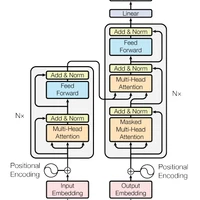

End-to-End Neural Network Compression via ell_1{ell_2} Regularized Latency Surrogates
Neural network (NN) compression via techniques such as pruning, quantization requires setting compression hyperparameters (e.g., number of channels to be pruned, bitwidths for quantization) for each layer either manually or via neural architecture search (NAS) which can be computationally expensive. We address this problem by providing an end-to-end technique that optimizes for model's Floating Point Operations (FLOPs) or for on-device latency via a novel ell_1{ell_2} latency surrogate. Our algorithm is versatile and can be used with many popular compression methods including pruning, low-rank factorization, and quantization. Crucially, it is fast and runs in almost the same amount of time as single model training; which is a significant training speed-up over standard NAS methods. For BERT compression on GLUE fine-tuning tasks, we achieve 50% reduction in FLOPs with only 1% drop in performance. For compressing MobileNetV3 on ImageNet-1K, we achieve 15% reduction in FLOPs, and 11% reduction in on-device latency without drop in accuracy, while still requiring 3times less training compute than SOTA compression techniques. Finally, for transfer learning on smaller datasets, our technique identifies 1.2times-1.4times cheaper architectures than standard MobileNetV3, EfficientNet suite of architectures at almost the same training cost and accuracy.
E2ESlack: An End-to-End Graph-Based Framework for Pre-Routing Slack Prediction
Pre-routing slack prediction remains a critical area of research in Electronic Design Automation (EDA). Despite numerous machine learning-based approaches targeting this task, there is still a lack of a truly end-to-end framework that engineers can use to obtain TNS/WNS metrics from raw circuit data at the placement stage. Existing works have demonstrated effectiveness in Arrival Time (AT) prediction but lack a mechanism for Required Arrival Time (RAT) prediction, which is essential for slack prediction and obtaining TNS/WNS metrics. In this work, we propose E2ESlack, an end-to-end graph-based framework for pre-routing slack prediction. The framework includes a TimingParser that supports DEF, SDF and LIB files for feature extraction and graph construction, an arrival time prediction model and a fast RAT estimation module. To the best of our knowledge, this is the first work capable of predicting path-level slacks at the pre-routing stage. We perform extensive experiments and demonstrate that our proposed RAT estimation method outperforms the SOTA ML-based prediction method and also pre-routing STA tool. Additionally, the proposed E2ESlack framework achieves TNS/WNS values comparable to post-routing STA results while saving up to 23x runtime.
LocMoE: A Low-overhead MoE for Large Language Model Training
The Mixtures-of-Experts (MoE) model is a widespread distributed and integrated learning method for large language models (LLM), which is favored due to its ability to sparsify and expand models efficiently. However, the performance of MoE is limited by load imbalance and high latency of All-To-All communication, along with relatively redundant computation owing to large expert capacity. Load imbalance may result from existing routing policies that consistently tend to select certain experts. The frequent inter-node communication in the All-To-All procedure also significantly prolongs the training time. To alleviate the above performance problems, we propose a novel routing strategy that combines load balance and locality by converting partial inter-node communication to that of intra-node. Notably, we elucidate that there is a minimum threshold for expert capacity, calculated through the maximal angular deviation between the gating weights of the experts and the assigned tokens. We port these modifications on the PanGu-Sigma model based on the MindSpore framework with multi-level routing and conduct experiments on Ascend clusters. The experiment results demonstrate that the proposed LocMoE reduces training time per epoch by 12.68% to 22.24% compared to classical routers, such as hash router and switch router, without impacting the model accuracy.
Short-Term Flow-Based Bandwidth Forecasting using Machine Learning
This paper proposes a novel framework to predict traffic flows' bandwidth ahead of time. Modern network management systems share a common issue: the network situation evolves between the moment the decision is made and the moment when actions (countermeasures) are applied. This framework converts packets from real-life traffic into flows containing relevant features. Machine learning models, including Decision Tree, Random Forest, XGBoost, and Deep Neural Network, are trained on these data to predict the bandwidth at the next time instance for every flow. Predictions can be fed to the management system instead of current flows bandwidth in order to take decisions on a more accurate network state. Experiments were performed on 981,774 flows and 15 different time windows (from 0.03s to 4s). They show that the Random Forest is the best performing and most reliable model, with a predictive performance consistently better than relying on the current bandwidth (+19.73% in mean absolute error and +18.00% in root mean square error). Experimental results indicate that this framework can help network management systems to take more informed decisions using a predicted network state.
T3: Transparent Tracking & Triggering for Fine-grained Overlap of Compute & Collectives
Large Language Models increasingly rely on distributed techniques for their training and inference. These techniques require communication across devices which can reduce scaling efficiency as the number of devices increases. While some distributed techniques can overlap, and thus, hide this communication with independent computations, techniques such as Tensor Parallelism (TP) inherently serialize communication with model execution. One approach to hide this serialized communication is to interleave it with the producer operation (of the communicated data) in a fine-grained manner. However, this fine-grained interleaving of communication and computation in software can be difficult. Furthermore, as with any concurrent execution, it requires compute and memory resources to be shared between computation and communication, causing resource contention that reduces overlapping efficacy. To overcome these challenges, we propose T3 which applies hardware-software co-design to transparently overlap serialized communication while minimizing resource contention with compute. T3 transparently fuses producer operations with the subsequent communication via a simple configuration of the producer's output address space and requires minor software changes. At the hardware level, T3 adds a lightweight track and trigger mechanism to orchestrate the producer's compute, and communication. It further uses compute-enhanced memories for communication's attendant compute. As a result, T3 reduces resource contention, and efficiently overlaps serialized communication with computation. For important Transformer models like T-NLG, T3 speeds up communication-heavy sublayers by 30% geomean (max 47%) and reduces data movement by 22% geomean (max 36%). Furthermore, T3's benefits persist as models scale: geomean 29% for sublayers in sim500-billion parameter models, PALM and MT-NLG.
Priority Flow Admission and Routing in SDN: Exact and Heuristic Approaches
This paper proposes a novel admission and routing scheme which takes into account arbitrarily assigned priorities for network flows. The presented approach leverages the centralized Software Defined Networking (SDN) capabilities in order to do so. Exact and heuristic approaches to the stated Priority Flow Admission and Routing (PFAR) problem are provided. The exact approach which provides an optimal solution is based on Integer Linear Programming (ILP). Given the potentially long running time required to find an exact and optimal solution, a heuristic approach is proposed; this approach is based on Genetic Algorithms (GAs). In order to effectively estimate the performance of the proposed approaches, a simulator that is capable of generating semi-random network topologies and flows has been developed. Experimental results for large problem instances (up 50 network nodes and thousands of network flows), show that: i) an optimal solution can be often found in few seconds (even milliseconds), and ii) the heuristic approach yields close-to-optimal solutions (approximately 95\% of the optimal) in a fixed amount of time; these experimental results demonstrate the pertinence of the proposed approaches.
Unified Scaling Laws for Routed Language Models
The performance of a language model has been shown to be effectively modeled as a power-law in its parameter count. Here we study the scaling behaviors of Routing Networks: architectures that conditionally use only a subset of their parameters while processing an input. For these models, parameter count and computational requirement form two independent axes along which an increase leads to better performance. In this work we derive and justify scaling laws defined on these two variables which generalize those known for standard language models and describe the performance of a wide range of routing architectures trained via three different techniques. Afterwards we provide two applications of these laws: first deriving an Effective Parameter Count along which all models scale at the same rate, and then using the scaling coefficients to give a quantitative comparison of the three routing techniques considered. Our analysis derives from an extensive evaluation of Routing Networks across five orders of magnitude of size, including models with hundreds of experts and hundreds of billions of parameters.
Zero-CPU Collection with Direct Telemetry Access
Programmable switches are driving a massive increase in fine-grained measurements. This puts significant pressure on telemetry collectors that have to process reports from many switches. Past research acknowledged this problem by either improving collectors' stack performance or by limiting the amount of data sent from switches. In this paper, we take a different and radical approach: switches are responsible for directly inserting queryable telemetry data into the collectors' memory, bypassing their CPU, and thereby improving their collection scalability. We propose to use a method we call direct telemetry access, where switches jointly write telemetry reports directly into the same collector's memory region, without coordination. Our solution, DART, is probabilistic, trading memory redundancy and query success probability for CPU resources at collectors. We prototype DART using commodity hardware such as P4 switches and RDMA NICs and show that we get high query success rates with a reasonable memory overhead. For example, we can collect INT path tracing information on a fat tree topology without a collector's CPU involvement while achieving 99.9\% query success probability and using just 300 bytes per flow.
Designing a Quantum Network Protocol
The second quantum revolution brings with it the promise of a quantum internet. As the first quantum network hardware prototypes near completion new challenges emerge. A functional network is more than just the physical hardware, yet work on scalable quantum network systems is in its infancy. In this paper we present a quantum network protocol designed to enable end-to-end quantum communication in the face of the new fundamental and technical challenges brought by quantum mechanics. We develop a quantum data plane protocol that enables end-to-end quantum communication and can serve as a building block for more complex services. One of the key challenges in near-term quantum technology is decoherence -- the gradual decay of quantum information -- which imposes extremely stringent limits on storage times. Our protocol is designed to be efficient in the face of short quantum memory lifetimes. We demonstrate this using a simulator for quantum networks and show that the protocol is able to deliver its service even in the face of significant losses due to decoherence. Finally, we conclude by showing that the protocol remains functional on the extremely resource limited hardware that is being developed today underlining the timeliness of this work.
BitPipe: Bidirectional Interleaved Pipeline Parallelism for Accelerating Large Models Training
With the increasing scale of models, the need for efficient distributed training has become increasingly urgent. Recently, many synchronous pipeline parallelism approaches have been proposed to improve training throughput. However, these approaches still suffer from two major issues, i.e., pipeline bubbles caused by periodic flushing and extra communication due to the increasing number of pipeline stages. To this end, we propose BitPipe, a bidirectional interleaved pipeline parallelism for accelerating large models training. Specifically, a hybrid scheme of fusing interleaved pipelines with bidirectional pipelines is proposed to reduce the computational time of each single micro-batch and multiply the number of devices executing simultaneously. A V-shaped schedule with eager gradient synchronization is introduced to reduce and overlap the communication between devices. Experiments conducted on up to 32 GPUs show that BitPipe improves the training throughput of GPT-style and BERT-style models by 1.05x-1.28x compared to the state-of-the-art synchronous approaches. The code of our implementation is available at https://github.com/wuhouming/BitPipe.
AI Flow at the Network Edge
Recent advancements in large language models (LLMs) and their multimodal variants have led to remarkable progress across various domains, demonstrating impressive capabilities and unprecedented potential. In the era of ubiquitous connectivity, leveraging communication networks to distribute intelligence is a transformative concept, envisioning AI-powered services accessible at the network edge. However, pushing large models from the cloud to resource-constrained environments faces critical challenges. Model inference on low-end devices leads to excessive latency and performance bottlenecks, while raw data transmission over limited bandwidth networks causes high communication overhead. This article presents AI Flow, a framework that streamlines the inference process by jointly leveraging the heterogeneous resources available across devices, edge nodes, and cloud servers, making intelligence flow across networks. To facilitate cooperation among multiple computational nodes, the proposed framework explores a paradigm shift in the design of communication network systems from transmitting information flow to intelligence flow, where the goal of communications is task-oriented and folded into the inference process. Experimental results demonstrate the effectiveness of the proposed framework through an image captioning use case, showcasing the ability to reduce response latency while maintaining high-quality captions. This article serves as a position paper for identifying the motivation, challenges, and principles of AI Flow.
MUX-PLMs: Data Multiplexing for High-throughput Language Models
The widespread adoption of large language models such as ChatGPT and Bard has led to unprecedented demand for these technologies. The burgeoning cost of inference for ever-increasing model sizes coupled with hardware shortages has limited affordable access and poses a pressing need for efficiency approaches geared towards high throughput and performance. Multi-input multi-output (MIMO) algorithms such as data multiplexing, offer a promising solution with a many-fold increase in throughput by performing inference for multiple inputs at the cost of a single input. Yet these approaches are not currently performant enough to be deployed in modern systems. We change that by developing MUX-PLMs, a class of high throughput pre-trained language models (PLMs) trained with data multiplexing, that can be fine-tuned for any downstream task to yield high-throughput high-performance. Our novel multiplexing and demultiplexing modules proficiently entangle and disentangle inputs, and enable high-performance high throughput that are competitive with vanilla PLMs while achieving 2x/5x inference speedup with only a 1-4% drop on a broad suite of tasks.
SMILE: Scaling Mixture-of-Experts with Efficient Bi-level Routing
The mixture of Expert (MoE) parallelism is a recent advancement that scales up the model size with constant computational cost. MoE selects different sets of parameters (i.e., experts) for each incoming token, resulting in a sparsely-activated model. Despite several successful applications of MoE, its training efficiency degrades significantly as the number of experts increases. The routing stage in MoE relies on the efficiency of the All2All communication collective, which suffers from network congestion and has poor scalability. To mitigate these issues, we introduce SMILE, which exploits heterogeneous network bandwidth and splits a single-step routing into bi-level routing. Our experimental results show that the proposed method obtains a 2.5x speedup over Switch Transformer in terms of pretraining throughput on the Colossal Clean Crawled Corpus without losing any convergence speed.
Efficient LLM Scheduling by Learning to Rank
In Large Language Model (LLM) inference, the output length of an LLM request is typically regarded as not known a priori. Consequently, most LLM serving systems employ a simple First-come-first-serve (FCFS) scheduling strategy, leading to Head-Of-Line (HOL) blocking and reduced throughput and service quality. In this paper, we reexamine this assumption -- we show that, although predicting the exact generation length of each request is infeasible, it is possible to predict the relative ranks of output lengths in a batch of requests, using learning to rank. The ranking information offers valuable guidance for scheduling requests. Building on this insight, we develop a novel scheduler for LLM inference and serving that can approximate the shortest-job-first (SJF) schedule better than existing approaches. We integrate this scheduler with the state-of-the-art LLM serving system and show significant performance improvement in several important applications: 2.8x lower latency in chatbot serving and 6.5x higher throughput in synthetic data generation. Our code is available at https://github.com/hao-ai-lab/vllm-ltr.git




Deep Speech 2: End-to-End Speech Recognition in English and Mandarin
We show that an end-to-end deep learning approach can be used to recognize either English or Mandarin Chinese speech--two vastly different languages. Because it replaces entire pipelines of hand-engineered components with neural networks, end-to-end learning allows us to handle a diverse variety of speech including noisy environments, accents and different languages. Key to our approach is our application of HPC techniques, resulting in a 7x speedup over our previous system. Because of this efficiency, experiments that previously took weeks now run in days. This enables us to iterate more quickly to identify superior architectures and algorithms. As a result, in several cases, our system is competitive with the transcription of human workers when benchmarked on standard datasets. Finally, using a technique called Batch Dispatch with GPUs in the data center, we show that our system can be inexpensively deployed in an online setting, delivering low latency when serving users at scale.


The Impact of Hyperparameters on Large Language Model Inference Performance: An Evaluation of vLLM and HuggingFace Pipelines
The recent surge of open-source large language models (LLMs) enables developers to create AI-based solutions while maintaining control over aspects such as privacy and compliance, thereby providing governance and ownership of the model deployment process. To utilize these LLMs, inference engines are needed. These engines load the model's weights onto available resources, such as GPUs, and process queries to generate responses. The speed of inference, or performance, of the LLM, is critical for real-time applications, as it computes millions or billions of floating point operations per inference. Recently, advanced inference engines such as vLLM have emerged, incorporating novel mechanisms such as efficient memory management to achieve state-of-the-art performance. In this paper, we analyze the performance, particularly the throughput (tokens generated per unit of time), of 20 LLMs using two inference libraries: vLLM and HuggingFace's pipelines. We investigate how various hyperparameters, which developers must configure, influence inference performance. Our results reveal that throughput landscapes are irregular, with distinct peaks, highlighting the importance of hyperparameter optimization to achieve maximum performance. We also show that applying hyperparameter optimization when upgrading or downgrading the GPU model used for inference can improve throughput from HuggingFace pipelines by an average of 9.16% and 13.7%, respectively.

Optimizing Distributed Training on Frontier for Large Language Models
Large language models (LLMs) have demonstrated remarkable success as foundational models, benefiting various downstream applications through fine-tuning. Recent studies on loss scaling have demonstrated the superior performance of larger LLMs compared to their smaller counterparts. Nevertheless, training LLMs with billions of parameters poses significant challenges and requires considerable computational resources. For example, training a one trillion parameter GPT-style model on 20 trillion tokens requires a staggering 120 million exaflops of computation. This research explores efficient distributed training strategies to extract this computation from Frontier, the world's first exascale supercomputer dedicated to open science. We enable and investigate various model and data parallel training techniques, such as tensor parallelism, pipeline parallelism, and sharded data parallelism, to facilitate training a trillion-parameter model on Frontier. We empirically assess these techniques and their associated parameters to determine their impact on memory footprint, communication latency, and GPU's computational efficiency. We analyze the complex interplay among these techniques and find a strategy to combine them to achieve high throughput through hyperparameter tuning. We have identified efficient strategies for training large LLMs of varying sizes through empirical analysis and hyperparameter tuning. For 22 Billion, 175 Billion, and 1 Trillion parameters, we achieved GPU throughputs of 38.38%, 36.14%, and 31.96%, respectively. For the training of the 175 Billion parameter model and the 1 Trillion parameter model, we achieved 100% weak scaling efficiency on 1024 and 3072 MI250X GPUs, respectively. We also achieved strong scaling efficiencies of 89% and 87% for these two models.




SkipPipe: Partial and Reordered Pipelining Framework for Training LLMs in Heterogeneous Networks
Data and pipeline parallelism are ubiquitous for training of Large Language Models (LLM) on distributed nodes. Driven by the need for cost-effective training, recent work explores efficient communication arrangement for end to end training. Motivated by LLM's resistance to layer skipping and layer reordering, in this paper, we explore stage (several consecutive layers) skipping in pipeline training, and challenge the conventional practice of sequential pipeline execution. We derive convergence and throughput constraints (guidelines) for pipelining with skipping and swapping pipeline stages. Based on these constraints, we propose SkipPipe, the first partial pipeline framework to reduce the end-to-end training time for LLMs while preserving the convergence. The core of SkipPipe is a path scheduling algorithm that optimizes the paths for individual microbatches and reduces idle time (due to microbatch collisions) on the distributed nodes, complying with the given stage skipping ratio. We extensively evaluate SkipPipe on LLaMa models from 500M to 8B parameters on up to 20 nodes. Our results show that SkipPipe reduces training iteration time by up to 55% compared to full pipeline. Our partial pipeline training also improves resistance to layer omission during inference, experiencing a drop in perplexity of only 7% when running only half the model. Our code is available at https://github.com/gensyn-ai/skippipe.

Efficient Large-Scale Language Model Training on GPU Clusters Using Megatron-LM
Large language models have led to state-of-the-art accuracies across a range of tasks. However, training these models efficiently is challenging for two reasons: a) GPU memory capacity is limited, making it impossible to fit large models on even a multi-GPU server, and b) the number of compute operations required to train these models can result in unrealistically long training times. Consequently, new methods of model parallelism such as tensor and pipeline parallelism have been proposed. Unfortunately, naive usage of these methods leads to fundamental scaling issues at thousands of GPUs, e.g., due to expensive cross-node communication or devices spending significant time waiting on other devices to make progress. In this paper, we show how different types of parallelism methods (tensor, pipeline, and data parallelism) can be composed to scale to thousands of GPUs and models with trillions of parameters. We survey techniques for pipeline parallelism and propose a novel interleaved pipeline parallelism schedule that can improve throughput by 10+% with memory footprint comparable to existing approaches. We quantitatively study the trade-offs between tensor, pipeline, and data parallelism, and provide intuition as to how to configure distributed training of a large model. Our approach allows us to perform training iterations on a model with 1 trillion parameters at 502 petaFLOP/s on 3072 GPUs with achieved per-GPU throughput of 52% of theoretical peak. Our code is open sourced at https://github.com/nvidia/megatron-lm.

DeepSpeed-FastGen: High-throughput Text Generation for LLMs via MII and DeepSpeed-Inference
The deployment and scaling of large language models (LLMs) have become critical as they permeate various applications, demanding high-throughput and low-latency serving systems. Existing frameworks struggle to balance these requirements, especially for workloads with long prompts. This paper introduces DeepSpeed-FastGen, a system that employs Dynamic SplitFuse, a novel prompt and generation composition strategy, to deliver up to 2.3x higher effective throughput, 2x lower latency on average, and up to 3.7x lower (token-level) tail latency, compared to state-of-the-art systems like vLLM. We leverage a synergistic combination of DeepSpeed-MII and DeepSpeed-Inference to provide an efficient and easy-to-use serving system for LLMs. DeepSpeed-FastGen's advanced implementation supports a range of models and offers both non-persistent and persistent deployment options, catering to diverse user scenarios from interactive sessions to long-running applications. We present a detailed benchmarking methodology, analyze the performance through latency-throughput curves, and investigate scalability via load balancing. Our evaluations demonstrate substantial improvements in throughput and latency across various models and hardware configurations. We discuss our roadmap for future enhancements, including broader model support and new hardware backends. The DeepSpeed-FastGen code is readily available for community engagement and contribution.



Hardware Beyond Backpropagation: a Photonic Co-Processor for Direct Feedback Alignment
The scaling hypothesis motivates the expansion of models past trillions of parameters as a path towards better performance. Recent significant developments, such as GPT-3, have been driven by this conjecture. However, as models scale-up, training them efficiently with backpropagation becomes difficult. Because model, pipeline, and data parallelism distribute parameters and gradients over compute nodes, communication is challenging to orchestrate: this is a bottleneck to further scaling. In this work, we argue that alternative training methods can mitigate these issues, and can inform the design of extreme-scale training hardware. Indeed, using a synaptically asymmetric method with a parallelizable backward pass, such as Direct Feedback Alignement, communication needs are drastically reduced. We present a photonic accelerator for Direct Feedback Alignment, able to compute random projections with trillions of parameters. We demonstrate our system on benchmark tasks, using both fully-connected and graph convolutional networks. Our hardware is the first architecture-agnostic photonic co-processor for training neural networks. This is a significant step towards building scalable hardware, able to go beyond backpropagation, and opening new avenues for deep learning.

GRATING: Low-Latency and Memory-Efficient Semantic Selection on Device
Semantic top-K selection with cross-encoder rerankers underpins of on-device AI services, such as retrieval-augmented generation, agent memory, and personalized recommendation. However, its latency and memory demands dominate end-to-end budgets on edge hardware. Revisiting the objective of top-K selection, we reveal that only relative rankings matter, not exact per-candidate scores. We further observe sequence-level sparsity: relative rankings stabilize early in intermediate layers, allowing pruning opportunities prior to completing full inference. Building on this insight, we propose monolithic forwarding and develop a training-free inference system, GRATING. By maintaining a global view of all candidates, it reduces latency through progressive cluster pruning. It also bounds peak memory usage by strategically overlapping I/O with computation via dual-layer sliding window and chunked execution. We evaluate GRATING against state-of-the-art baselines on rerankers from 0.6B to 8B parameters across Apple M2 and RTX 5070. GRATING consistently reduces latency by up to 89.0% and peak memory by up to 94.9% in microbenchmarks, without any loss in precision. Across three real-world on-device AI applications, GRATING lowers latency by 11.6%-51.0% and peak memory by 18.6%-77.8%, demonstrating substantial improvements in efficiency and deployability.
Fire-Flyer AI-HPC: A Cost-Effective Software-Hardware Co-Design for Deep Learning
The rapid progress in Deep Learning (DL) and Large Language Models (LLMs) has exponentially increased demands of computational power and bandwidth. This, combined with the high costs of faster computing chips and interconnects, has significantly inflated High Performance Computing (HPC) construction costs. To address these challenges, we introduce the Fire-Flyer AI-HPC architecture, a synergistic hardware-software co-design framework and its best practices. For DL training, we deployed the Fire-Flyer 2 with 10,000 PCIe A100 GPUs, achieved performance approximating the DGX-A100 while reducing costs by half and energy consumption by 40%. We specifically engineered HFReduce to accelerate allreduce communication and implemented numerous measures to keep our Computation-Storage Integrated Network congestion-free. Through our software stack, including HaiScale, 3FS, and HAI-Platform, we achieved substantial scalability by overlapping computation and communication. Our system-oriented experience from DL training provides valuable insights to drive future advancements in AI-HPC.

MT-DAO: Multi-Timescale Distributed Adaptive Optimizers with Local Updates
Training large models with distributed data parallelism (DDP) requires frequent communication of gradients across workers, which can saturate bandwidth. Infrequent communication strategies (e.g., Local SGD) reduce this overhead but, when applied to adaptive optimizers, often suffer a performance gap relative to fully synchronous DDP. We trace this gap to a time-scale mismatch: the optimizer's fast-moving momentum, tuned for frequent updates, decays too quickly to smooth gradients over long intervals, leading to noise-dominated optimization. To address this, we propose MT-DAO, a family of optimizers that employs multiple slow- and fast-moving first momenta or the gradient to track update dynamics across different time scales, for which we provide the first convergence guarantees. Empirically, for language-model pre-training, this eliminates the performance gap with DDP, outperforming infrequent-communication baselines in perplexity and reducing iso-token wall-clock time by 6-27% on Ethernet interconnects. At the 720M scale, MT-DAO reaches a target perplexity in 24% fewer steps and 35% less time than the single-momentum DDP baseline. MT-DAO enables effective cross-datacenter training and training over wide geographic areas.

The CAP Principle for LLM Serving: A Survey of Long-Context Large Language Model Serving
We survey the large language model (LLM) serving area to understand the intricate dynamics between cost-efficiency and accuracy, which is magnified by the growing need for longer contextual understanding when deploying models at a massive scale. Our findings reveal that works in this space optimize along three distinct but conflicting goals: improving serving context length (C), improving serving accuracy (A), and improving serving performance (P). Drawing inspiration from the CAP theorem in databases, we propose a CAP principle for LLM serving, which suggests that any optimization can improve at most two of these three goals simultaneously. Our survey categorizes existing works within this framework. We find the definition and continuity of user-perceived measurement metrics are crucial in determining whether a goal has been met, akin to prior CAP databases in the wild. We recognize the CAP principle for LLM serving as a guiding principle, rather than a formal theorem, to inform designers of the inherent and dynamic trade-offs in serving models. As serving accuracy and performance have been extensively studied, this survey focuses on works that extend serving context length and address the resulting challenges.

DistServe: Disaggregating Prefill and Decoding for Goodput-optimized Large Language Model Serving
DistServe improves the performance of large language models (LLMs) serving by disaggregating the prefill and decoding computation. Existing LLM serving systems colocate the two phases and batch the computation of prefill and decoding across all users and requests. We find that this strategy not only leads to strong prefill-decoding interferences but also couples the resource allocation and parallelism plans for both phases. LLM applications often emphasize individual latency for each phase: time to first token (TTFT) for the prefill phase and time per output token (TPOT) of each request for the decoding phase. In the presence of stringent latency requirements, existing systems have to prioritize one latency over the other, or over-provision compute resources to meet both. DistServe assigns prefill and decoding computation to different GPUs, hence eliminating prefill-decoding interferences. Given the application's TTFT and TPOT requirements, DistServe co-optimizes the resource allocation and parallelism strategy tailored for each phase. DistServe also places the two phases according to the serving cluster's bandwidth to minimize the communication caused by disaggregation. As a result, DistServe significantly improves LLM serving performance in terms of the maximum rate that can be served within both TTFT and TPOT constraints on each GPU. Our evaluations show that on various popular LLMs, applications, and latency requirements, DistServe can serve 4.48x more requests or 10.2x tighter SLO, compared to state-of-the-art systems, while staying within latency constraints for > 90% of requests.
Scaling Large Language Model Training on Frontier with Low-Bandwidth Partitioning
Scaling up Large Language Model(LLM) training involves fitting a tremendous amount of training parameters across a limited number of workers. However, methods like ZeRO-3 that drastically reduce GPU memory pressure often incur heavy communication to ensure global synchronization and consistency. Established efforts such as ZeRO++ use secondary partitions to avoid inter-node communications, given that intra-node GPU-GPU transfer generally has more bandwidth and lower latency than inter-node connections. However, as more capable infrastructure like Frontier, equipped with AMD GPUs, emerged with impressive computing capability, there is a need for investigations on the hardware topology and to develop targeted strategies to improve training efficiency. In this work, we propose a collection of communication and optimization strategies for ZeRO++ to reduce communication costs and improve memory utilization. In this paper, we propose a 3-level hierarchical partitioning specifically for the current Top-1 supercomputing cluster, Frontier, which aims at leveraging various bandwidths across layers of communications (GCD-GCD, GPU-GPU, and inter-node) to reduce communication overhead. For a 20B GPT model, we observe a 1.71x increase in TFLOPS per GPU when compared with ZeRO++ up to 384 GCDs and a scaling efficiency of 0.94 for up to 384 GCDs. To the best of our knowledge, our work is also the first effort to efficiently optimize LLM workloads on Frontier AMD GPUs.
HarDNet: A Low Memory Traffic Network
State-of-the-art neural network architectures such as ResNet, MobileNet, and DenseNet have achieved outstanding accuracy over low MACs and small model size counterparts. However, these metrics might not be accurate for predicting the inference time. We suggest that memory traffic for accessing intermediate feature maps can be a factor dominating the inference latency, especially in such tasks as real-time object detection and semantic segmentation of high-resolution video. We propose a Harmonic Densely Connected Network to achieve high efficiency in terms of both low MACs and memory traffic. The new network achieves 35%, 36%, 30%, 32%, and 45% inference time reduction compared with FC-DenseNet-103, DenseNet-264, ResNet-50, ResNet-152, and SSD-VGG, respectively. We use tools including Nvidia profiler and ARM Scale-Sim to measure the memory traffic and verify that the inference latency is indeed proportional to the memory traffic consumption and the proposed network consumes low memory traffic. We conclude that one should take memory traffic into consideration when designing neural network architectures for high-resolution applications at the edge.
Cross-Layer Protocols for Multimedia Communications over Wireless Networks
In the last few years, the Internet throughput, usage and reliability have increased almost exponentially. The introduction of broadband wireless mobile ad hoc networks (MANETs) and cellular networks together with increased computational power have opened the door for a new breed of applications to be created, namely real-time multimedia applications. Delivering real-time multimedia traffic over a complex network like the Internet is a particularly challenging task since these applications have strict quality-of-service (QoS) requirements on bandwidth, delay, and delay jitter. Traditional Internet protocol (IP)-based best effort service is not able to meet these stringent requirements. The time-varying nature of wireless channels and resource constrained wireless devices make the problem even more difficult. To improve perceived media quality by end users over wireless Internet, QoS supports can be addressed in different layers, including application layer, transport layer and link layer. Cross layer design is a well-known approach to achieve this adaptation. In cross-layer design, the challenges from the physical wireless medium and the QoS-demands from the applications are taken into account so that the rate, power, and coding at the physical (PHY) layer can adapted to meet the requirements of the applications given the current channel and network conditions. A number of propositions for cross-layer designs exist in the literature. In this chapter, an extensive review has been made on these cross-layer architectures that combine the application-layer, transport layer and the link layer controls. Particularly, the issues like channel estimation techniques, adaptive controls at the application and link layers for energy efficiency, priority based scheduling, transmission rate control at the transport layer, and adaptive automatic repeat request (ARQ) are discussed in detail.

Expert-as-a-Service: Towards Efficient, Scalable, and Robust Large-scale MoE Serving
Mixture-of-Experts (MoE) models challenge serving infrastructures with dynamic, sparse expert utilization, causing instability on conventional systems designed for dense architectures. We propose EaaS, a novel serving system to enable efficient, scalable, and robust MoE deployment. Our system disaggregates MoE modules into independent, stateless services. This design enables fine-grained resource scaling and provides inherent fault tolerance by decoupling compute units. The architecture is powered by a high-performance, CPU-free peer-to-peer communication library that ensures minimal overhead and high throughput. Experiments confirm EaaS's scalability and efficiency, achieving performance comparable to monolithic systems while providing robust fault tolerance and strong scalability. EaaS incurs less than a 2% throughput reduction under simulated hardware failures that would otherwise halt monolithic architectures. It further saves up to 37.5% of computing resources through dynamic fine-grained adaptation to serving traffic, demonstrating strong resilience for large-scale MoE deployment in production.


Adaptive Machine Learning for Resource-Constrained Environments
The Internet of Things is an example domain where data is perpetually generated in ever-increasing quantities, reflecting the proliferation of connected devices and the formation of continuous data streams over time. Consequently, the demand for ad-hoc, cost-effective machine learning solutions must adapt to this evolving data influx. This study tackles the task of offloading in small gateways, exacerbated by their dynamic availability over time. An approach leveraging CPU utilization metrics using online and continual machine learning techniques is proposed to predict gateway availability. These methods are compared to popular machine learning algorithms and a recent time-series foundation model, Lag-Llama, for fine-tuned and zero-shot setups. Their performance is benchmarked on a dataset of CPU utilization measurements over time from an IoT gateway and focuses on model metrics such as prediction errors, training and inference times, and memory consumption. Our primary objective is to study new efficient ways to predict CPU performance in IoT environments. Across various scenarios, our findings highlight that ensemble and online methods offer promising results for this task in terms of accuracy while maintaining a low resource footprint.


Efficient and Economic Large Language Model Inference with Attention Offloading
Transformer-based large language models (LLMs) exhibit impressive performance in generative tasks but introduce significant challenges in real-world serving due to inefficient use of the expensive, computation-optimized accelerators. This mismatch arises from the autoregressive nature of LLMs, where the generation phase comprises operators with varying resource demands. Specifically, the attention operator is memory-intensive, exhibiting a memory access pattern that clashes with the strengths of modern accelerators, especially as context length increases. To enhance the efficiency and cost-effectiveness of LLM serving, we introduce the concept of attention offloading. This approach leverages a collection of cheap, memory-optimized devices for the attention operator while still utilizing high-end accelerators for other parts of the model. This heterogeneous setup ensures that each component is tailored to its specific workload, maximizing overall performance and cost efficiency. Our comprehensive analysis and experiments confirm the viability of splitting the attention computation over multiple devices. Also, the communication bandwidth required between heterogeneous devices proves to be manageable with prevalent networking technologies. To further validate our theory, we develop Lamina, an LLM inference system that incorporates attention offloading. Experimental results indicate that Lamina can provide 1.48x-12.1x higher estimated throughput per dollar than homogeneous solutions.

Federated Learning over 5G, WiFi, and Ethernet: Measurements and Evaluation
Federated Learning (FL) deployments using IoT devices is an area that is poised to significantly benefit from advances in NextG wireless. In this paper, we deploy a FL application using a 5G-NR Standalone (SA) testbed with open-source and Commercial Off-the-Shelf (COTS) components. The 5G testbed architecture consists of a network of resource-constrained edge devices, namely Raspberry Pi's, and a central server equipped with a Software Defined Radio (SDR) and running O-RAN software. Our testbed allows edge devices to communicate with the server using WiFi and Ethernet, instead of 5G. FL is deployed using the Flower FL framework, for which we developed a comprehensive instrumentation tool to collect and analyze diverse communications and machine learning performance metrics including: model aggregation time, downlink transmission time, training time, and uplink transmission time. Leveraging these measurements, we perform a comparative analysis of the FL application across three network interfaces: 5G, WiFi, and Ethernet. Our experimental results suggest that, on 5G, the uplink model transfer time is a significant factor in convergence time of FL. In particular, we find that the 5G uplink contributes to roughly 23% of the duration of one average communication round when using all edge devices in our testbed. When comparing the uplink time of the 5G testbed, we find that it is 33.3x higher than Ethernet and 17.8x higher than WiFi. Our results also suggest that 5G exacerbates the well-known straggler effect. For reproducibility, we have open-sourced our FL application, instrumentation tools, and testbed configuration.

Inference Acceleration for Large Language Models on CPUs
In recent years, large language models have demonstrated remarkable performance across various natural language processing (NLP) tasks. However, deploying these models for real-world applications often requires efficient inference solutions to handle the computational demands. In this paper, we explore the utilization of CPUs for accelerating the inference of large language models. Specifically, we introduce a parallelized approach to enhance throughput by 1) Exploiting the parallel processing capabilities of modern CPU architectures, 2) Batching the inference request. Our evaluation shows the accelerated inference engine gives an 18-22x improvement in the generated token per sec. The improvement is more with longer sequence and larger models. In addition to this, we can also run multiple workers in the same machine with NUMA node isolation to further improvement in tokens/s. Table 2, we have received 4x additional improvement with 4 workers. This would also make Gen-AI based products and companies environment friendly, our estimates shows that CPU usage for Inference could reduce the power consumption of LLMs by 48.9% while providing production ready throughput and latency.

On Optimal Caching and Model Multiplexing for Large Model Inference
Large Language Models (LLMs) and other large foundation models have achieved noteworthy success, but their size exacerbates existing resource consumption and latency challenges. In particular, the large-scale deployment of these models is hindered by the significant resource requirements during inference. In this paper, we study two approaches for mitigating these challenges: employing a cache to store previous queries and learning a model multiplexer to choose from an ensemble of models for query processing. Theoretically, we provide an optimal algorithm for jointly optimizing both approaches to reduce the inference cost in both offline and online tabular settings. By combining a caching algorithm, namely Greedy Dual Size with Frequency (GDSF) or Least Expected Cost (LEC), with a model multiplexer, we achieve optimal rates in both offline and online settings. Empirically, simulations show that the combination of our caching and model multiplexing algorithms greatly improves over the baselines, with up to 50times improvement over the baseline when the ratio between the maximum cost and minimum cost is 100. Experiments on real datasets show a 4.3times improvement in FLOPs over the baseline when the ratio for FLOPs is 10, and a 1.8times improvement in latency when the ratio for average latency is 1.85.

Victima: Drastically Increasing Address Translation Reach by Leveraging Underutilized Cache Resources
Address translation is a performance bottleneck in data-intensive workloads due to large datasets and irregular access patterns that lead to frequent high-latency page table walks (PTWs). PTWs can be reduced by using (i) large hardware TLBs or (ii) large software-managed TLBs. Unfortunately, both solutions have significant drawbacks: increased access latency, power and area (for hardware TLBs), and costly memory accesses, the need for large contiguous memory blocks, and complex OS modifications (for software-managed TLBs). We present Victima, a new software-transparent mechanism that drastically increases the translation reach of the processor by leveraging the underutilized resources of the cache hierarchy. The key idea of Victima is to repurpose L2 cache blocks to store clusters of TLB entries, thereby providing an additional low-latency and high-capacity component that backs up the last-level TLB and thus reduces PTWs. Victima has two main components. First, a PTW cost predictor (PTW-CP) identifies costly-to-translate addresses based on the frequency and cost of the PTWs they lead to. Second, a TLB-aware cache replacement policy prioritizes keeping TLB entries in the cache hierarchy by considering (i) the translation pressure (e.g., last-level TLB miss rate) and (ii) the reuse characteristics of the TLB entries. Our evaluation results show that in native (virtualized) execution environments Victima improves average end-to-end application performance by 7.4% (28.7%) over the baseline four-level radix-tree-based page table design and by 6.2% (20.1%) over a state-of-the-art software-managed TLB, across 11 diverse data-intensive workloads. Victima (i) is effective in both native and virtualized environments, (ii) is completely transparent to application and system software, and (iii) incurs very small area and power overheads on a modern high-end CPU.
Towards MoE Deployment: Mitigating Inefficiencies in Mixture-of-Expert (MoE) Inference
Mixture-of-Experts (MoE) models have gained popularity in achieving state-of-the-art performance in a wide range of tasks in computer vision and natural language processing. They effectively expand the model capacity while incurring a minimal increase in computation cost during training. However, deploying such models for inference is difficult due to their large size and complex communication pattern. In this work, we provide a characterization of two MoE workloads, namely Language Modeling (LM) and Machine Translation (MT) and identify their sources of inefficiencies at deployment. We propose three optimization techniques to mitigate sources of inefficiencies, namely (1) Dynamic gating, (2) Expert Buffering, and (3) Expert load balancing. We show that dynamic gating improves maximum throughput by 6.21-11.23times for LM, 5.75-10.98times for MT Encoder and 2.58-5.71times for MT Decoder. It also reduces memory usage by up to 1.36times for LM and up to 1.1times for MT. We further propose Expert Buffering, a new caching mechanism that only keeps hot, active experts in GPU memory while buffering the rest in CPU memory. This reduces static memory allocation by up to 1.47times. We finally propose a load balancing methodology that provides additional scalability to the workload.
Serving Large Language Models on Huawei CloudMatrix384
The rapid evolution of large language models (LLMs), driven by growing parameter scales, adoption of mixture-of-experts (MoE) architectures, and expanding context lengths, imposes unprecedented demands on AI infrastructure. Traditional AI clusters face limitations in compute intensity, memory bandwidth, inter-chip communication, and latency, compounded by variable workloads and strict service-level objectives. Addressing these issues requires fundamentally redesigned hardware-software integration. This paper introduces Huawei CloudMatrix, a next-generation AI datacenter architecture, realized in the production-grade CloudMatrix384 supernode. It integrates 384 Ascend 910C NPUs and 192 Kunpeng CPUs interconnected via an ultra-high-bandwidth Unified Bus (UB) network, enabling direct all-to-all communication and dynamic pooling of resources. These features optimize performance for communication-intensive operations, such as large-scale MoE expert parallelism and distributed key-value cache access. To fully leverage CloudMatrix384, we propose CloudMatrix-Infer, an advanced LLM serving solution incorporating three core innovations: a peer-to-peer serving architecture that independently scales prefill, decode, and caching; a large-scale expert parallelism strategy supporting EP320 via efficient UB-based token dispatch; and hardware-aware optimizations including specialized operators, microbatch-based pipelining, and INT8 quantization. Evaluation with the DeepSeek-R1 model shows CloudMatrix-Infer achieves state-of-the-art efficiency: prefill throughput of 6,688 tokens/s per NPU and decode throughput of 1,943 tokens/s per NPU (<50 ms TPOT). It effectively balances throughput and latency, sustaining 538 tokens/s even under stringent 15 ms latency constraints, while INT8 quantization maintains model accuracy across benchmarks.
HybridNets: End-to-End Perception Network
End-to-end Network has become increasingly important in multi-tasking. One prominent example of this is the growing significance of a driving perception system in autonomous driving. This paper systematically studies an end-to-end perception network for multi-tasking and proposes several key optimizations to improve accuracy. First, the paper proposes efficient segmentation head and box/class prediction networks based on weighted bidirectional feature network. Second, the paper proposes automatically customized anchor for each level in the weighted bidirectional feature network. Third, the paper proposes an efficient training loss function and training strategy to balance and optimize network. Based on these optimizations, we have developed an end-to-end perception network to perform multi-tasking, including traffic object detection, drivable area segmentation and lane detection simultaneously, called HybridNets, which achieves better accuracy than prior art. In particular, HybridNets achieves 77.3 mean Average Precision on Berkeley DeepDrive Dataset, outperforms lane detection with 31.6 mean Intersection Over Union with 12.83 million parameters and 15.6 billion floating-point operations. In addition, it can perform visual perception tasks in real-time and thus is a practical and accurate solution to the multi-tasking problem. Code is available at https://github.com/datvuthanh/HybridNets.
Towards Greener LLMs: Bringing Energy-Efficiency to the Forefront of LLM Inference
With the ubiquitous use of modern large language models (LLMs) across industries, the inference serving for these models is ever expanding. Given the high compute and memory requirements of modern LLMs, more and more top-of-the-line GPUs are being deployed to serve these models. Energy availability has come to the forefront as the biggest challenge for data center expansion to serve these models. In this paper, we present the trade-offs brought up by making energy efficiency the primary goal of LLM serving under performance SLOs. We show that depending on the inputs, the model, and the service-level agreements, there are several knobs available to the LLM inference provider to use for being energy efficient. We characterize the impact of these knobs on the latency, throughput, as well as the energy. By exploring these trade-offs, we offer valuable insights into optimizing energy usage without compromising on performance, thereby paving the way for sustainable and cost-effective LLM deployment in data center environments.
Faster MoE LLM Inference for Extremely Large Models
Sparse Mixture of Experts (MoE) large language models (LLMs) are gradually becoming the mainstream approach for ultra-large-scale models. Existing optimization efforts for MoE models have focused primarily on coarse-grained MoE architectures. With the emergence of DeepSeek Models, fine-grained MoE models are gaining popularity, yet research on them remains limited. Therefore, we want to discuss the efficiency dynamic under different service loads. Additionally, fine-grained models allow deployers to reduce the number of routed experts, both activated counts and total counts, raising the question of how this reduction affects the trade-off between MoE efficiency and performance. Our findings indicate that while deploying MoE models presents greater challenges, it also offers significant optimization opportunities. Reducing the number of activated experts can lead to substantial efficiency improvements in certain scenarios, with only minor performance degradation. Reducing the total number of experts provides limited efficiency gains but results in severe performance degradation. Our method can increase throughput by at least 10\% without any performance degradation. Overall, we conclude that MoE inference optimization remains an area with substantial potential for exploration and improvement.
TernGrad: Ternary Gradients to Reduce Communication in Distributed Deep Learning
High network communication cost for synchronizing gradients and parameters is the well-known bottleneck of distributed training. In this work, we propose TernGrad that uses ternary gradients to accelerate distributed deep learning in data parallelism. Our approach requires only three numerical levels {-1,0,1}, which can aggressively reduce the communication time. We mathematically prove the convergence of TernGrad under the assumption of a bound on gradients. Guided by the bound, we propose layer-wise ternarizing and gradient clipping to improve its convergence. Our experiments show that applying TernGrad on AlexNet does not incur any accuracy loss and can even improve accuracy. The accuracy loss of GoogLeNet induced by TernGrad is less than 2% on average. Finally, a performance model is proposed to study the scalability of TernGrad. Experiments show significant speed gains for various deep neural networks. Our source code is available.

Eager Updates For Overlapped Communication and Computation in DiLoCo
Distributed optimization methods such as DiLoCo have been shown to be effective in training very large models across multiple distributed workers, such as datacenters. These methods split updates into two parts: an inner optimization phase, where the workers independently execute multiple optimization steps on their own local data, and an outer optimization step, where the inner updates are synchronized. While such approaches require orders of magnitude less communication than standard data-parallel training, in settings where the workers are datacenters, even the limited communication requirements of these approaches can still cause significant slow downs due to the blocking necessary at each outer optimization step. In this paper, we investigate techniques to mitigate this issue by overlapping communication with computation in a manner that allows the outer optimization step to fully overlap with the inner optimization phase. We show that a particular variant, dubbed eager updates, provides competitive performance with standard DiLoCo in settings with low bandwidth between workers.


Rewrite the Stars
Recent studies have drawn attention to the untapped potential of the "star operation" (element-wise multiplication) in network design. While intuitive explanations abound, the foundational rationale behind its application remains largely unexplored. Our study attempts to reveal the star operation's ability to map inputs into high-dimensional, non-linear feature spaces -- akin to kernel tricks -- without widening the network. We further introduce StarNet, a simple yet powerful prototype, demonstrating impressive performance and low latency under compact network structure and efficient budget. Like stars in the sky, the star operation appears unremarkable but holds a vast universe of potential. Our work encourages further exploration across tasks, with codes available at https://github.com/ma-xu/Rewrite-the-Stars.

Efficient Telecom Specific LLM: TSLAM-Mini with QLoRA and Digital Twin Data
General-purpose large language models (LLMs), despite their broad capabilities accrued from open-world data, frequently exhibit suboptimal performance when confronted with the nuanced and specialized demands inherent in real-time telecommunications applications. This investigation addresses this critical limitation through the meticulous fine-tuning of TSLAM-Mini developed by NetoAI, a compact (3.8-billion parameter) causal language model architecturally derived from Phi-4 Mini Instruct 4B. The fine-tuning regimen leverages a bespoke dataset comprising 100,000 samples, strategically engineered to address 20 pivotal telecommunications use-cases, encompassing domains such as Network Fundamentals, IP Routing, MPLS, Network Security, Automation, OSS/BSS, RAN, Mobile Core, Satellite Communications, and Ethical AI. This dataset was curated utilizing NetoAI's DigiTwin platform, enriched with granular insights from venerated network Subject Matter Experts (SMEs) and authoritative RFC documents, thereby capturing high-fidelity representations of real-world network dynamics through simulations inspired by digital twin paradigms. Employing Quantized Low-Rank Adaptation (QLoRA), a state-of-the-art Parameter Efficient Fine-Tuning (PEFT) technique, we achieved substantial training efficiency and enabled prospective deployment on resource-constrained hardware. A novel evaluation framework, predicated on a high-capacity LLM (Qwen3-235B-A22B) functioning as an automated adjudicator, was instituted to rigorously assess instruction-following fidelity and response quality across the specified telecom use-cases. Empirical results unequivocally demonstrate TSLAM-Mini's superior aptitude in telecom-centric applications, underscoring the profound efficacy of domain-specific datasets and PEFT methodologies for advancing intelligent network management.
CloudFormer: An Attention-based Performance Prediction for Public Clouds with Unknown Workload
Cloud platforms are increasingly relied upon to host diverse, resource-intensive workloads due to their scalability, flexibility, and cost-efficiency. In multi-tenant cloud environments, virtual machines are consolidated on shared physical servers to improve resource utilization. While virtualization guarantees resource partitioning for CPU, memory, and storage, it cannot ensure performance isolation. Competition for shared resources such as last-level cache, memory bandwidth, and network interfaces often leads to severe performance degradation. Existing management techniques, including VM scheduling and resource provisioning, require accurate performance prediction to mitigate interference. However, this remains challenging in public clouds due to the black-box nature of VMs and the highly dynamic nature of workloads. To address these limitations, we propose CloudFormer, a dual-branch Transformer-based model designed to predict VM performance degradation in black-box environments. CloudFormer jointly models temporal dynamics and system-level interactions, leveraging 206 system metrics at one-second resolution across both static and dynamic scenarios. This design enables the model to capture transient interference effects and adapt to varying workload conditions without scenario-specific tuning. Complementing the methodology, we provide a fine-grained dataset that significantly expands the temporal resolution and metric diversity compared to existing benchmarks. Experimental results demonstrate that CloudFormer consistently outperforms state-of-the-art baselines across multiple evaluation metrics, achieving robust generalization across diverse and previously unseen workloads. Notably, CloudFormer attains a mean absolute error (MAE) of just 7.8%, representing a substantial improvement in predictive accuracy and outperforming existing methods at least by 28%.
Boosting Large-scale Parallel Training Efficiency with C4: A Communication-Driven Approach
The emergence of Large Language Models (LLMs) has necessitated the adoption of parallel training techniques, involving the deployment of thousands of GPUs to train a single model. Unfortunately, we have found that the efficiency of current parallel training is often suboptimal, largely due to the following two main issues. Firstly, hardware failures are inevitable, leading to interruptions in the training tasks. The inability to quickly identify the faulty components results in a substantial waste of GPU resources. Secondly, since GPUs must wait for parameter synchronization to complete before proceeding to the next round of computation, network congestions can greatly increase the waiting time for GPUs. To address these challenges, this paper introduces a communication-driven solution, namely the C4. The key insights of C4 are two folds. First, in parallel training, collective communication exhibits periodic and homogeneous characteristics, so any anomalies are certainly due to some form of hardware malfunction. By leveraging this feature, C4 can rapidly identify the faulty components, swiftly isolate the anomaly, and restart the task, thereby avoiding resource wastage caused by delays in anomaly detection. Second, the predictable communication model of collective communication, involving few large flows, allows C4 to efficiently execute traffic planning, substantially reducing network congestion. C4 has been extensively implemented across our production systems, cutting error-induced overhead by roughly 30% and enhancing runtime performance by about 15% for certain applications with moderate communication costs.

Efficient Memory Management for Large Language Model Serving with PagedAttention
High throughput serving of large language models (LLMs) requires batching sufficiently many requests at a time. However, existing systems struggle because the key-value cache (KV cache) memory for each request is huge and grows and shrinks dynamically. When managed inefficiently, this memory can be significantly wasted by fragmentation and redundant duplication, limiting the batch size. To address this problem, we propose PagedAttention, an attention algorithm inspired by the classical virtual memory and paging techniques in operating systems. On top of it, we build vLLM, an LLM serving system that achieves (1) near-zero waste in KV cache memory and (2) flexible sharing of KV cache within and across requests to further reduce memory usage. Our evaluations show that vLLM improves the throughput of popular LLMs by 2-4times with the same level of latency compared to the state-of-the-art systems, such as FasterTransformer and Orca. The improvement is more pronounced with longer sequences, larger models, and more complex decoding algorithms. vLLM's source code is publicly available at https://github.com/vllm-project/vllm





Dodoor: Efficient Randomized Decentralized Scheduling with Load Caching for Heterogeneous Tasks and Clusters
This paper introduces Dodoor, an efficient randomized decentralized scheduler designed for task scheduling in modern data centers. Dodoor leverages advanced research on the weighted balls-into-bins model with b-batched setting. Unlike other decentralized schedulers that rely on real-time probing of remote servers, Dodoor makes scheduling decisions based on cached server information, which is updated in batches, to reduce communication overheads. To schedule tasks with dynamic, multidimensional resource requirements in heterogeneous cluster, Dodoor uses a novel load score to measure servers' loads for each scheduled task. This score captures the anti-affinity between servers and tasks in contrast to the commonly used heuristic of counting pending tasks to balance load. On a 101-node heterogeneous cluster, Dodoor is evaluated using two workloads: (i) simulated Azure virtual machines placements and (ii) real serverless Python functions executions in Docker. The evaluation shows that Dodoor reduces scheduling messages by 55--66% on both workloads. Dodoor can also increase throughput by up to 33.2% and 21.5%, reduce mean makespan latency by 12.1% and 7.2%, and improve tail latency by 21.9% and 24.6% across the two workloads.