
Get trending papers in your email inbox once a day!
Get trending papers in your email inbox!
Subscribe
Playpen: An Environment for Exploring Learning Through Conversational Interaction
Interaction between learner and feedback-giver has come into focus recently for post-training of Large Language Models (LLMs), through the use of reward models that judge the appropriateness of a model's response. In this paper, we investigate whether Dialogue Games -- goal-directed and rule-governed activities driven predominantly by verbal actions -- can also serve as a source of feedback signals for learning. We introduce Playpen, an environment for off- and online learning through Dialogue Game self-play, and investigate a representative set of post-training methods: supervised fine-tuning; direct alignment (DPO); and reinforcement learning with GRPO. We experiment with post-training a small LLM (Llama-3.1-8B-Instruct), evaluating performance on unseen instances of training games as well as unseen games, and on standard benchmarks. We find that imitation learning through SFT improves performance on unseen instances, but negatively impacts other skills, while interactive learning with GRPO shows balanced improvements without loss of skills. We release the framework and the baseline training setups to foster research in the promising new direction of learning in (synthetic) interaction.
Towards Teachable Conversational Agents
The traditional process of building interactive machine learning systems can be viewed as a teacher-learner interaction scenario where the machine-learners are trained by one or more human-teachers. In this work, we explore the idea of using a conversational interface to investigate the interaction between human-teachers and interactive machine-learners. Specifically, we examine whether teachable AI agents can reliably learn from human-teachers through conversational interactions, and how this learning compare with traditional supervised learning algorithms. Results validate the concept of teachable conversational agents and highlight the factors relevant for the development of machine learning systems that intend to learn from conversational interactions.
Exploiting Simulated User Feedback for Conversational Search: Ranking, Rewriting, and Beyond
This research aims to explore various methods for assessing user feedback in mixed-initiative conversational search (CS) systems. While CS systems enjoy profuse advancements across multiple aspects, recent research fails to successfully incorporate feedback from the users. One of the main reasons for that is the lack of system-user conversational interaction data. To this end, we propose a user simulator-based framework for multi-turn interactions with a variety of mixed-initiative CS systems. Specifically, we develop a user simulator, dubbed ConvSim, that, once initialized with an information need description, is capable of providing feedback to a system's responses, as well as answering potential clarifying questions. Our experiments on a wide variety of state-of-the-art passage retrieval and neural re-ranking models show that effective utilization of user feedback can lead to 16% retrieval performance increase in terms of nDCG@3. Moreover, we observe consistent improvements as the number of feedback rounds increases (35% relative improvement in terms of nDCG@3 after three rounds). This points to a research gap in the development of specific feedback processing modules and opens a potential for significant advancements in CS. To support further research in the topic, we release over 30,000 transcripts of system-simulator interactions based on well-established CS datasets.
Building the Web for Agents: A Declarative Framework for Agent-Web Interaction
The increasing deployment of autonomous AI agents on the web is hampered by a fundamental misalignment: agents must infer affordances from human-oriented user interfaces, leading to brittle, inefficient, and insecure interactions. To address this, we introduce VOIX, a web-native framework that enables websites to expose reliable, auditable, and privacy-preserving capabilities for AI agents through simple, declarative HTML elements. VOIX introduces <tool> and <context> tags, allowing developers to explicitly define available actions and relevant state, thereby creating a clear, machine-readable contract for agent behavior. This approach shifts control to the website developer while preserving user privacy by disconnecting the conversational interactions from the website. We evaluated the framework's practicality, learnability, and expressiveness in a three-day hackathon study with 16 developers. The results demonstrate that participants, regardless of prior experience, were able to rapidly build diverse and functional agent-enabled web applications. Ultimately, this work provides a foundational mechanism for realizing the Agentic Web, enabling a future of seamless and secure human-AI collaboration on the web.

A Comparative Analysis of Conversational Large Language Models in Knowledge-Based Text Generation
Generating natural language text from graph-structured data is essential for conversational information seeking. Semantic triples derived from knowledge graphs can serve as a valuable source for grounding responses from conversational agents by providing a factual basis for the information they communicate. This is especially relevant in the context of large language models, which offer great potential for conversational interaction but are prone to hallucinating, omitting, or producing conflicting information. In this study, we conduct an empirical analysis of conversational large language models in generating natural language text from semantic triples. We compare four large language models of varying sizes with different prompting techniques. Through a series of benchmark experiments on the WebNLG dataset, we analyze the models' performance and identify the most common issues in the generated predictions. Our findings show that the capabilities of large language models in triple verbalization can be significantly improved through few-shot prompting, post-processing, and efficient fine-tuning techniques, particularly for smaller models that exhibit lower zero-shot performance.
CR-Walker: Tree-Structured Graph Reasoning and Dialog Acts for Conversational Recommendation
Growing interests have been attracted in Conversational Recommender Systems (CRS), which explore user preference through conversational interactions in order to make appropriate recommendation. However, there is still a lack of ability in existing CRS to (1) traverse multiple reasoning paths over background knowledge to introduce relevant items and attributes, and (2) arrange selected entities appropriately under current system intents to control response generation. To address these issues, we propose CR-Walker in this paper, a model that performs tree-structured reasoning on a knowledge graph, and generates informative dialog acts to guide language generation. The unique scheme of tree-structured reasoning views the traversed entity at each hop as part of dialog acts to facilitate language generation, which links how entities are selected and expressed. Automatic and human evaluations show that CR-Walker can arrive at more accurate recommendation, and generate more informative and engaging responses.
ReLI: A Language-Agnostic Approach to Human-Robot Interaction
Adapting autonomous agents to industrial, domestic, and other daily tasks is currently gaining momentum. However, in the global or cross-lingual application contexts, ensuring effective interaction with the environment and executing unrestricted human task-specified instructions in diverse languages remains an unsolved problem. To address this challenge, we propose ReLI, a language-agnostic framework designed to enable autonomous agents to converse naturally, semantically reason about the environment, and to perform downstream tasks, regardless of the task instruction's linguistic origin. First, we ground large-scale pre-trained foundation models and transform them into language-to-action models that can directly provide common-sense reasoning and high-level robot control through natural, free-flow human-robot conversational interactions. Further, we perform cross-lingual grounding of the models to ensure that ReLI generalises across the global languages. To demonstrate the ReLI's robustness, we conducted extensive simulated and real-world experiments on various short- and long-horizon tasks, including zero-shot and few-shot spatial navigation, scene information retrieval, and query-oriented tasks. We benchmarked the performance on 140 languages involving over 70K multi-turn conversations. On average, ReLI achieved over 90%pm0.2 accuracy in cross-lingual instruction parsing and task execution success rates. These results demonstrate the ReLI's potential to enhance natural human-robot interaction in the real world while championing linguistic diversity. Demonstrations and resources will be publicly available at https://linusnep.github.io/ReLI/.
Streaming Video Understanding and Multi-round Interaction with Memory-enhanced Knowledge
Recent advances in Large Language Models (LLMs) have enabled the development of Video-LLMs, advancing multimodal learning by bridging video data with language tasks. However, current video understanding models struggle with processing long video sequences, supporting multi-turn dialogues, and adapting to real-world dynamic scenarios. To address these issues, we propose StreamChat, a training-free framework for streaming video reasoning and conversational interaction. StreamChat leverages a novel hierarchical memory system to efficiently process and compress video features over extended sequences, enabling real-time, multi-turn dialogue. Our framework incorporates a parallel system scheduling strategy that enhances processing speed and reduces latency, ensuring robust performance in real-world applications. Furthermore, we introduce StreamBench, a versatile benchmark that evaluates streaming video understanding across diverse media types and interactive scenarios, including multi-turn interactions and complex reasoning tasks. Extensive evaluations on StreamBench and other public benchmarks demonstrate that StreamChat significantly outperforms existing state-of-the-art models in terms of accuracy and response times, confirming its effectiveness for streaming video understanding. Code is available at StreamChat: https://github.com/hmxiong/StreamChat.
RadVLM: A Multitask Conversational Vision-Language Model for Radiology
The widespread use of chest X-rays (CXRs), coupled with a shortage of radiologists, has driven growing interest in automated CXR analysis and AI-assisted reporting. While existing vision-language models (VLMs) show promise in specific tasks such as report generation or abnormality detection, they often lack support for interactive diagnostic capabilities. In this work we present RadVLM, a compact, multitask conversational foundation model designed for CXR interpretation. To this end, we curate a large-scale instruction dataset comprising over 1 million image-instruction pairs containing both single-turn tasks -- such as report generation, abnormality classification, and visual grounding -- and multi-turn, multi-task conversational interactions. After fine-tuning RadVLM on this instruction dataset, we evaluate it across different tasks along with re-implemented baseline VLMs. Our results show that RadVLM achieves state-of-the-art performance in conversational capabilities and visual grounding while remaining competitive in other radiology tasks. Ablation studies further highlight the benefit of joint training across multiple tasks, particularly for scenarios with limited annotated data. Together, these findings highlight the potential of RadVLM as a clinically relevant AI assistant, providing structured CXR interpretation and conversational capabilities to support more effective and accessible diagnostic workflows.

EAI-Avatar: Emotion-Aware Interactive Talking Head Generation
Generative models have advanced rapidly, enabling impressive talking head generation that brings AI to life. However, most existing methods focus solely on one-way portrait animation. Even the few that support bidirectional conversational interactions lack precise emotion-adaptive capabilities, significantly limiting their practical applicability. In this paper, we propose EAI-Avatar, a novel emotion-aware talking head generation framework for dyadic interactions. Leveraging the dialogue generation capability of large language models (LLMs, e.g., GPT-4), our method produces temporally consistent virtual avatars with rich emotional variations that seamlessly transition between speaking and listening states. Specifically, we design a Transformer-based head mask generator that learns temporally consistent motion features in a latent mask space, capable of generating arbitrary-length, temporally consistent mask sequences to constrain head motions. Furthermore, we introduce an interactive talking tree structure to represent dialogue state transitions, where each tree node contains information such as child/parent/sibling nodes and the current character's emotional state. By performing reverse-level traversal, we extract rich historical emotional cues from the current node to guide expression synthesis. Extensive experiments demonstrate the superior performance and effectiveness of our method.
Alexa, play with robot: Introducing the First Alexa Prize SimBot Challenge on Embodied AI
The Alexa Prize program has empowered numerous university students to explore, experiment, and showcase their talents in building conversational agents through challenges like the SocialBot Grand Challenge and the TaskBot Challenge. As conversational agents increasingly appear in multimodal and embodied contexts, it is important to explore the affordances of conversational interaction augmented with computer vision and physical embodiment. This paper describes the SimBot Challenge, a new challenge in which university teams compete to build robot assistants that complete tasks in a simulated physical environment. This paper provides an overview of the SimBot Challenge, which included both online and offline challenge phases. We describe the infrastructure and support provided to the teams including Alexa Arena, the simulated environment, and the ML toolkit provided to teams to accelerate their building of vision and language models. We summarize the approaches the participating teams took to overcome research challenges and extract key lessons learned. Finally, we provide analysis of the performance of the competing SimBots during the competition.


CARTIER: Cartographic lAnguage Reasoning Targeted at Instruction Execution for Robots
This work explores the capacity of large language models (LLMs) to address problems at the intersection of spatial planning and natural language interfaces for navigation.Our focus is on following relatively complex instructions that are more akin to natural conversation than traditional explicit procedural directives seen in robotics. Unlike most prior work, where navigation directives are provided as imperative commands (e.g., go to the fridge), we examine implicit directives within conversational interactions. We leverage the 3D simulator AI2Thor to create complex and repeatable scenarios at scale, and augment it by adding complex language queries for 40 object types. We demonstrate that a robot can better parse descriptive language queries than existing methods by using an LLM to interpret the user interaction in the context of a list of the objects in the scene.
AutoGen: Enabling Next-Gen LLM Applications via Multi-Agent Conversation Framework
This technical report presents AutoGen, a new framework that enables development of LLM applications using multiple agents that can converse with each other to solve tasks. AutoGen agents are customizable, conversable, and seamlessly allow human participation. They can operate in various modes that employ combinations of LLMs, human inputs, and tools. AutoGen's design offers multiple advantages: a) it gracefully navigates the strong but imperfect generation and reasoning abilities of these LLMs; b) it leverages human understanding and intelligence, while providing valuable automation through conversations between agents; c) it simplifies and unifies the implementation of complex LLM workflows as automated agent chats. We provide many diverse examples of how developers can easily use AutoGen to effectively solve tasks or build applications, ranging from coding, mathematics, operations research, entertainment, online decision-making, question answering, etc.




CaLoRAify: Calorie Estimation with Visual-Text Pairing and LoRA-Driven Visual Language Models
The obesity phenomenon, known as the heavy issue, is a leading cause of preventable chronic diseases worldwide. Traditional calorie estimation tools often rely on specific data formats or complex pipelines, limiting their practicality in real-world scenarios. Recently, vision-language models (VLMs) have excelled in understanding real-world contexts and enabling conversational interactions, making them ideal for downstream tasks such as ingredient analysis. However, applying VLMs to calorie estimation requires domain-specific data and alignment strategies. To this end, we curated CalData, a 330K image-text pair dataset tailored for ingredient recognition and calorie estimation, combining a large-scale recipe dataset with detailed nutritional instructions for robust vision-language training. Built upon this dataset, we present CaLoRAify, a novel VLM framework aligning ingredient recognition and calorie estimation via training with visual-text pairs. During inference, users only need a single monocular food image to estimate calories while retaining the flexibility of agent-based conversational interaction. With Low-rank Adaptation (LoRA) and Retrieve-augmented Generation (RAG) techniques, our system enhances the performance of foundational VLMs in the vertical domain of calorie estimation. Our code and data are fully open-sourced at https://github.com/KennyYao2001/16824-CaLORAify.
MIntRec2.0: A Large-scale Benchmark Dataset for Multimodal Intent Recognition and Out-of-scope Detection in Conversations
Multimodal intent recognition poses significant challenges, requiring the incorporation of non-verbal modalities from real-world contexts to enhance the comprehension of human intentions. Existing benchmark datasets are limited in scale and suffer from difficulties in handling out-of-scope samples that arise in multi-turn conversational interactions. We introduce MIntRec2.0, a large-scale benchmark dataset for multimodal intent recognition in multi-party conversations. It contains 1,245 dialogues with 15,040 samples, each annotated within a new intent taxonomy of 30 fine-grained classes. Besides 9,304 in-scope samples, it also includes 5,736 out-of-scope samples appearing in multi-turn contexts, which naturally occur in real-world scenarios. Furthermore, we provide comprehensive information on the speakers in each utterance, enriching its utility for multi-party conversational research. We establish a general framework supporting the organization of single-turn and multi-turn dialogue data, modality feature extraction, multimodal fusion, as well as in-scope classification and out-of-scope detection. Evaluation benchmarks are built using classic multimodal fusion methods, ChatGPT, and human evaluators. While existing methods incorporating nonverbal information yield improvements, effectively leveraging context information and detecting out-of-scope samples remains a substantial challenge. Notably, large language models exhibit a significant performance gap compared to humans, highlighting the limitations of machine learning methods in the cognitive intent understanding task. We believe that MIntRec2.0 will serve as a valuable resource, providing a pioneering foundation for research in human-machine conversational interactions, and significantly facilitating related applications. The full dataset and codes are available at https://github.com/thuiar/MIntRec2.0.

Exploring Large Language Models for Specialist-level Oncology Care
Large language models (LLMs) have shown remarkable progress in encoding clinical knowledge and responding to complex medical queries with appropriate clinical reasoning. However, their applicability in subspecialist or complex medical settings remains underexplored. In this work, we probe the performance of AMIE, a research conversational diagnostic AI system, in the subspecialist domain of breast oncology care without specific fine-tuning to this challenging domain. To perform this evaluation, we curated a set of 50 synthetic breast cancer vignettes representing a range of treatment-naive and treatment-refractory cases and mirroring the key information available to a multidisciplinary tumor board for decision-making (openly released with this work). We developed a detailed clinical rubric for evaluating management plans, including axes such as the quality of case summarization, safety of the proposed care plan, and recommendations for chemotherapy, radiotherapy, surgery and hormonal therapy. To improve performance, we enhanced AMIE with the inference-time ability to perform web search retrieval to gather relevant and up-to-date clinical knowledge and refine its responses with a multi-stage self-critique pipeline. We compare response quality of AMIE with internal medicine trainees, oncology fellows, and general oncology attendings under both automated and specialist clinician evaluations. In our evaluations, AMIE outperformed trainees and fellows demonstrating the potential of the system in this challenging and important domain. We further demonstrate through qualitative examples, how systems such as AMIE might facilitate conversational interactions to assist clinicians in their decision making. However, AMIE's performance was overall inferior to attending oncologists suggesting that further research is needed prior to consideration of prospective uses.

Socially Pertinent Robots in Gerontological Healthcare
Despite the many recent achievements in developing and deploying social robotics, there are still many underexplored environments and applications for which systematic evaluation of such systems by end-users is necessary. While several robotic platforms have been used in gerontological healthcare, the question of whether or not a social interactive robot with multi-modal conversational capabilities will be useful and accepted in real-life facilities is yet to be answered. This paper is an attempt to partially answer this question, via two waves of experiments with patients and companions in a day-care gerontological facility in Paris with a full-sized humanoid robot endowed with social and conversational interaction capabilities. The software architecture, developed during the H2020 SPRING project, together with the experimental protocol, allowed us to evaluate the acceptability (AES) and usability (SUS) with more than 60 end-users. Overall, the users are receptive to this technology, especially when the robot perception and action skills are robust to environmental clutter and flexible to handle a plethora of different interactions.




MemGPT: Towards LLMs as Operating Systems
Large language models (LLMs) have revolutionized AI, but are constrained by limited context windows, hindering their utility in tasks like extended conversations and document analysis. To enable using context beyond limited context windows, we propose virtual context management, a technique drawing inspiration from hierarchical memory systems in traditional operating systems that provide the appearance of large memory resources through data movement between fast and slow memory. Using this technique, we introduce MemGPT (Memory-GPT), a system that intelligently manages different memory tiers in order to effectively provide extended context within the LLM's limited context window, and utilizes interrupts to manage control flow between itself and the user. We evaluate our OS-inspired design in two domains where the limited context windows of modern LLMs severely handicaps their performance: document analysis, where MemGPT is able to analyze large documents that far exceed the underlying LLM's context window, and multi-session chat, where MemGPT can create conversational agents that remember, reflect, and evolve dynamically through long-term interactions with their users. We release MemGPT code and data for our experiments at https://memgpt.ai.

SurgMLLMBench: A Multimodal Large Language Model Benchmark Dataset for Surgical Scene Understanding
Recent advances in multimodal large language models (LLMs) have highlighted their potential for medical and surgical applications. However, existing surgical datasets predominantly adopt a Visual Question Answering (VQA) format with heterogeneous taxonomies and lack support for pixel-level segmentation, limiting consistent evaluation and applicability. We present SurgMLLMBench, a unified multimodal benchmark explicitly designed for developing and evaluating interactive multimodal LLMs for surgical scene understanding, including the newly collected Micro-surgical Artificial Vascular anastomosIS (MAVIS) dataset. It integrates pixel-level instrument segmentation masks and structured VQA annotations across laparoscopic, robot-assisted, and micro-surgical domains under a unified taxonomy, enabling comprehensive evaluation beyond traditional VQA tasks and richer visual-conversational interactions. Extensive baseline experiments show that a single model trained on SurgMLLMBench achieves consistent performance across domains and generalizes effectively to unseen datasets. SurgMLLMBench will be publicly released as a robust resource to advance multimodal surgical AI research, supporting reproducible evaluation and development of interactive surgical reasoning models.
Towards Human-AI Deliberation: Design and Evaluation of LLM-Empowered Deliberative AI for AI-Assisted Decision-Making
In AI-assisted decision-making, humans often passively review AI's suggestion and decide whether to accept or reject it as a whole. In such a paradigm, humans are found to rarely trigger analytical thinking and face difficulties in communicating the nuances of conflicting opinions to the AI when disagreements occur. To tackle this challenge, we propose Human-AI Deliberation, a novel framework to promote human reflection and discussion on conflicting human-AI opinions in decision-making. Based on theories in human deliberation, this framework engages humans and AI in dimension-level opinion elicitation, deliberative discussion, and decision updates. To empower AI with deliberative capabilities, we designed Deliberative AI, which leverages large language models (LLMs) as a bridge between humans and domain-specific models to enable flexible conversational interactions and faithful information provision. An exploratory evaluation on a graduate admissions task shows that Deliberative AI outperforms conventional explainable AI (XAI) assistants in improving humans' appropriate reliance and task performance. Based on a mixed-methods analysis of participant behavior, perception, user experience, and open-ended feedback, we draw implications for future AI-assisted decision tool design.
Situated and Interactive Multimodal Conversations
Next generation virtual assistants are envisioned to handle multimodal inputs (e.g., vision, memories of previous interactions, in addition to the user's utterances), and perform multimodal actions (e.g., displaying a route in addition to generating the system's utterance). We introduce Situated Interactive MultiModal Conversations (SIMMC) as a new direction aimed at training agents that take multimodal actions grounded in a co-evolving multimodal input context in addition to the dialog history. We provide two SIMMC datasets totalling ~13K human-human dialogs (~169K utterances) using a multimodal Wizard-of-Oz (WoZ) setup, on two shopping domains: (a) furniture (grounded in a shared virtual environment) and, (b) fashion (grounded in an evolving set of images). We also provide logs of the items appearing in each scene, and contextual NLU and coreference annotations, using a novel and unified framework of SIMMC conversational acts for both user and assistant utterances. Finally, we present several tasks within SIMMC as objective evaluation protocols, such as Structural API Prediction and Response Generation. We benchmark a collection of existing models on these SIMMC tasks as strong baselines, and demonstrate rich multimodal conversational interactions. Our data, annotations, code, and models are publicly available.

SketchAgent: Language-Driven Sequential Sketch Generation
Sketching serves as a versatile tool for externalizing ideas, enabling rapid exploration and visual communication that spans various disciplines. While artificial systems have driven substantial advances in content creation and human-computer interaction, capturing the dynamic and abstract nature of human sketching remains challenging. In this work, we introduce SketchAgent, a language-driven, sequential sketch generation method that enables users to create, modify, and refine sketches through dynamic, conversational interactions. Our approach requires no training or fine-tuning. Instead, we leverage the sequential nature and rich prior knowledge of off-the-shelf multimodal large language models (LLMs). We present an intuitive sketching language, introduced to the model through in-context examples, enabling it to "draw" using string-based actions. These are processed into vector graphics and then rendered to create a sketch on a pixel canvas, which can be accessed again for further tasks. By drawing stroke by stroke, our agent captures the evolving, dynamic qualities intrinsic to sketching. We demonstrate that SketchAgent can generate sketches from diverse prompts, engage in dialogue-driven drawing, and collaborate meaningfully with human users.
Safurai 001: New Qualitative Approach for Code LLM Evaluation
This paper presents Safurai-001, a new Large Language Model (LLM) with significant potential in the domain of coding assistance. Driven by recent advancements in coding LLMs, Safurai-001 competes in performance with the latest models like WizardCoder [Xu et al., 2023], PanguCoder [Shen et al., 2023] and Phi-1 [Gunasekar et al., 2023] but aims to deliver a more conversational interaction. By capitalizing on the progress in data engineering (including latest techniques of data transformation and prompt engineering) and instruction tuning, this new model promises to stand toe-to-toe with recent closed and open source developments. Recognizing the need for an efficacious evaluation metric for coding LLMs, this paper also introduces GPT4-based MultiParameters, an evaluation benchmark that harnesses varied parameters to present a comprehensive insight into the models functioning and performance. Our assessment shows that Safurai-001 can outperform GPT-3.5 by 1.58% and WizardCoder by 18.78% in the Code Readability parameter and more.


Estimation-Action-Reflection: Towards Deep Interaction Between Conversational and Recommender Systems
Recommender systems are embracing conversational technologies to obtain user preferences dynamically, and to overcome inherent limitations of their static models. A successful Conversational Recommender System (CRS) requires proper handling of interactions between conversation and recommendation. We argue that three fundamental problems need to be solved: 1) what questions to ask regarding item attributes, 2) when to recommend items, and 3) how to adapt to the users' online feedback. To the best of our knowledge, there lacks a unified framework that addresses these problems. In this work, we fill this missing interaction framework gap by proposing a new CRS framework named Estimation-Action-Reflection, or EAR, which consists of three stages to better converse with users. (1) Estimation, which builds predictive models to estimate user preference on both items and item attributes; (2) Action, which learns a dialogue policy to determine whether to ask attributes or recommend items, based on Estimation stage and conversation history; and (3) Reflection, which updates the recommender model when a user rejects the recommendations made by the Action stage. We present two conversation scenarios on binary and enumerated questions, and conduct extensive experiments on two datasets from Yelp and LastFM, for each scenario, respectively. Our experiments demonstrate significant improvements over the state-of-the-art method CRM [32], corresponding to fewer conversation turns and a higher level of recommendation hits.

FronTalk: Benchmarking Front-End Development as Conversational Code Generation with Multi-Modal Feedback
We present FronTalk, a benchmark for front-end code generation that pioneers the study of a unique interaction dynamic: conversational code generation with multi-modal feedback. In front-end development, visual artifacts such as sketches, mockups and annotated creenshots are essential for conveying design intent, yet their role in multi-turn code generation remains largely unexplored. To address this gap, we focus on the front-end development task and curate FronTalk, a collection of 100 multi-turn dialogues derived from real-world websites across diverse domains such as news, finance, and art. Each turn features both a textual instruction and an equivalent visual instruction, each representing the same user intent. To comprehensively evaluate model performance, we propose a novel agent-based evaluation framework leveraging a web agent to simulate users and explore the website, and thus measuring both functional correctness and user experience. Evaluation of 20 models reveals two key challenges that are under-explored systematically in the literature: (1) a significant forgetting issue where models overwrite previously implemented features, resulting in task failures, and (2) a persistent challenge in interpreting visual feedback, especially for open-source vision-language models (VLMs). We propose a strong baseline to tackle the forgetting issue with AceCoder, a method that critiques the implementation of every past instruction using an autonomous web agent. This approach significantly reduces forgetting to nearly zero and improves the performance by up to 9.3% (56.0% to 65.3%). Overall, we aim to provide a solid foundation for future research in front-end development and the general interaction dynamics of multi-turn, multi-modal code generation. Code and data are released at https://github.com/shirley-wu/frontalk
RoleCraft-GLM: Advancing Personalized Role-Playing in Large Language Models
This study presents RoleCraft-GLM, an innovative framework aimed at enhancing personalized role-playing with Large Language Models (LLMs). RoleCraft-GLM addresses the key issue of lacking personalized interactions in conversational AI, and offers a solution with detailed and emotionally nuanced character portrayals. We contribute a unique conversational dataset that shifts from conventional celebrity-centric characters to diverse, non-celebrity personas, thus enhancing the realism and complexity of language modeling interactions. Additionally, our approach includes meticulous character development, ensuring dialogues are both realistic and emotionally resonant. The effectiveness of RoleCraft-GLM is validated through various case studies, highlighting its versatility and skill in different scenarios. Our framework excels in generating dialogues that accurately reflect characters' personality traits and emotions, thereby boosting user engagement. In conclusion, RoleCraft-GLM marks a significant leap in personalized AI interactions, and paves the way for more authentic and immersive AI-assisted role-playing experiences by enabling more nuanced and emotionally rich dialogues
VocalBench: Benchmarking the Vocal Conversational Abilities for Speech Interaction Models
The rapid advancement of large language models (LLMs) has accelerated the development of multi-modal models capable of vocal communication. Unlike text-based interactions, speech conveys rich and diverse information, including semantic content, acoustic variations, paralanguage cues, and environmental context. However, existing evaluations of speech interaction models predominantly focus on the quality of their textual responses, often overlooking critical aspects of vocal performance and lacking benchmarks with vocal-specific test instances. To address this gap, we propose VocalBench, a comprehensive benchmark designed to evaluate speech interaction models' capabilities in vocal communication. VocalBench comprises 9,400 carefully curated instances across four key dimensions: semantic quality, acoustic performance, conversational abilities, and robustness. It covers 16 fundamental skills essential for effective vocal interaction. Experimental results reveal significant variability in current model capabilities, each exhibiting distinct strengths and weaknesses, and provide valuable insights to guide future research in speech-based interaction systems. Code and evaluation instances are available at https://github.com/SJTU-OmniAgent/VocalBench.
OmniResponse: Online Multimodal Conversational Response Generation in Dyadic Interactions
In this paper, we introduce Online Multimodal Conversational Response Generation (OMCRG), a novel task that aims to online generate synchronized verbal and non-verbal listener feedback, conditioned on the speaker's multimodal input. OMCRG reflects natural dyadic interactions and poses new challenges in achieving synchronization between the generated audio and facial responses of the listener. To address these challenges, we innovatively introduce text as an intermediate modality to bridge the audio and facial responses. We hence propose OmniResponse, a Multimodal Large Language Model (MLLM) that autoregressively generates high-quality multi-modal listener responses. OmniResponse leverages a pretrained LLM enhanced with two novel components: Chrono-Text, which temporally anchors generated text tokens, and TempoVoice, a controllable online TTS module that produces speech synchronized with facial reactions. To support further OMCRG research, we present ResponseNet, a new dataset comprising 696 high-quality dyadic interactions featuring synchronized split-screen videos, multichannel audio, transcripts, and facial behavior annotations. Comprehensive evaluations conducted on ResponseNet demonstrate that OmniResponse significantly outperforms baseline models in terms of semantic speech content, audio-visual synchronization, and generation quality.


Towards Seamless Interaction: Causal Turn-Level Modeling of Interactive 3D Conversational Head Dynamics
Human conversation involves continuous exchanges of speech and nonverbal cues such as head nods, gaze shifts, and facial expressions that convey attention and emotion. Modeling these bidirectional dynamics in 3D is essential for building expressive avatars and interactive robots. However, existing frameworks often treat talking and listening as independent processes or rely on non-causal full-sequence modeling, hindering temporal coherence across turns. We present TIMAR (Turn-level Interleaved Masked AutoRegression), a causal framework for 3D conversational head generation that models dialogue as interleaved audio-visual contexts. It fuses multimodal information within each turn and applies turn-level causal attention to accumulate conversational history, while a lightweight diffusion head predicts continuous 3D head dynamics that captures both coordination and expressive variability. Experiments on the DualTalk benchmark show that TIMAR reduces Fréchet Distance and MSE by 15-30% on the test set, and achieves similar gains on out-of-distribution data. The source code will be released in the GitHub repository https://github.com/CoderChen01/towards-seamleass-interaction.

From Independence to Interaction: Speaker-Aware Simulation of Multi-Speaker Conversational Timing
We present a speaker-aware approach for simulating multi-speaker conversations that captures temporal consistency and realistic turn-taking dynamics. Prior work typically models aggregate conversational statistics under an independence assumption across speakers and turns. In contrast, our method uses speaker-specific deviation distributions enforcing intra-speaker temporal consistency, while a Markov chain governs turn-taking and a fixed room impulse response preserves spatial realism. We also unify pauses and overlaps into a single gap distribution, modeled with kernel density estimation for smooth continuity. Evaluation on Switchboard using intrinsic metrics - global gap statistics, correlations between consecutive gaps, copula-based higher-order dependencies, turn-taking entropy, and gap survival functions - shows that speaker-aware simulation better aligns with real conversational patterns than the baseline method, capturing fine-grained temporal dependencies and realistic speaker alternation, while revealing open challenges in modeling long-range conversational structure.

Does Your Voice Assistant Remember? Analyzing Conversational Context Recall and Utilization in Voice Interaction Models
Recent advancements in multi-turn voice interaction models have improved user-model communication. However, while closed-source models effectively retain and recall past utterances, whether open-source models share this ability remains unexplored. To fill this gap, we systematically evaluate how well open-source interaction models utilize past utterances using ContextDialog, a benchmark we proposed for this purpose. Our findings show that speech-based models have more difficulty than text-based ones, especially when recalling information conveyed in speech, and even with retrieval-augmented generation, models still struggle with questions about past utterances. These insights highlight key limitations in open-source models and suggest ways to improve memory retention and retrieval robustness.
Beyond Prompts: Dynamic Conversational Benchmarking of Large Language Models
We introduce a dynamic benchmarking system for conversational agents that evaluates their performance through a single, simulated, and lengthy userleftrightarrowagent interaction. The interaction is a conversation between the user and agent, where multiple tasks are introduced and then undertaken concurrently. We context switch regularly to interleave the tasks, which constructs a realistic testing scenario in which we assess the Long-Term Memory, Continual Learning, and Information Integration capabilities of the agents. Results from both proprietary and open-source Large-Language Models show that LLMs in general perform well on single-task interactions, but they struggle on the same tasks when they are interleaved. Notably, short-context LLMs supplemented with an LTM system perform as well as or better than those with larger contexts. Our benchmark suggests that there are other challenges for LLMs responding to more natural interactions that contemporary benchmarks have heretofore not been able to capture.
Toxicity Ahead: Forecasting Conversational Derailment on GitHub
Toxic interactions in Open Source Software (OSS) communities reduce contributor engagement and threaten project sustainability. Preventing such toxicity before it emerges requires a clear understanding of how harmful conversations unfold. However, most proactive moderation strategies are manual, requiring significant time and effort from community maintainers. To support more scalable approaches, we curate a dataset of 159 derailed toxic threads and 207 non-toxic threads from GitHub discussions. Our analysis reveals that toxicity can be forecast by tension triggers, sentiment shifts, and specific conversational patterns. We present a novel Large Language Model (LLM)-based framework for predicting conversational derailment on GitHub using a two-step prompting pipeline. First, we generate Summaries of Conversation Dynamics (SCDs) via Least-to-Most (LtM) prompting; then we use these summaries to estimate the likelihood of derailment. Evaluated on Qwen and Llama models, our LtM strategy achieves F1-scores of 0.901 and 0.852, respectively, at a decision threshold of 0.3, outperforming established NLP baselines on conversation derailment. External validation on a dataset of 308 GitHub issue threads (65 toxic, 243 non-toxic) yields an F1-score up to 0.797. Our findings demonstrate the effectiveness of structured LLM prompting for early detection of conversational derailment in OSS, enabling proactive and explainable moderation.

A Survey on Conversational Recommender Systems
Recommender systems are software applications that help users to find items of interest in situations of information overload. Current research often assumes a one-shot interaction paradigm, where the users' preferences are estimated based on past observed behavior and where the presentation of a ranked list of suggestions is the main, one-directional form of user interaction. Conversational recommender systems (CRS) take a different approach and support a richer set of interactions. These interactions can, for example, help to improve the preference elicitation process or allow the user to ask questions about the recommendations and to give feedback. The interest in CRS has significantly increased in the past few years. This development is mainly due to the significant progress in the area of natural language processing, the emergence of new voice-controlled home assistants, and the increased use of chatbot technology. With this paper, we provide a detailed survey of existing approaches to conversational recommendation. We categorize these approaches in various dimensions, e.g., in terms of the supported user intents or the knowledge they use in the background. Moreover, we discuss technological approaches, review how CRS are evaluated, and finally identify a number of gaps that deserve more research in the future.
DEMO: Reframing Dialogue Interaction with Fine-grained Element Modeling
Large language models (LLMs) have made dialogue one of the central modes of human-machine interaction, leading to the accumulation of vast amounts of conversation logs and increasing demand for dialogue generation. A conversational life-cycle spans from the Prelude through the Interlocution to the Epilogue, encompassing various elements. Despite the existence of numerous dialogue-related studies, there is a lack of benchmarks that encompass comprehensive dialogue elements, hindering precise modeling and systematic evaluation. To bridge this gap, we introduce an innovative research task Dialogue Element MOdeling, including Element Awareness and Dialogue Agent Interaction, and propose a novel benchmark, DEMO, designed for a comprehensive dialogue modeling and assessment. Inspired by imitation learning, we further build the agent which possesses the adept ability to model dialogue elements based on the DEMO benchmark. Extensive experiments indicate that existing LLMs still exhibit considerable potential for enhancement, and our DEMO agent has superior performance in both in-domain and out-of-domain tasks.



Learning User Preferences Through Interaction for Long-Term Collaboration
As conversational agents accumulate experience collaborating with users, adapting to user preferences is essential for fostering long-term relationships and improving collaboration quality over time. We introduce MultiSessionCollab, a benchmark that evaluates how well agents can learn user preferences and leverage them to improve collaboration quality throughout multiple sessions. To develop agents that succeed in this setting, we present long-term collaborative agents equipped with a memory that persists and refines user preference as interaction experience accumulates. Moreover, we demonstrate that learning signals can be derived from user simulator behavior in MultiSessionCollab to train agents to generate more comprehensive reflections and update their memory more effectively. Extensive experiments show that equipping agents with memory improves long-term collaboration, yielding higher task success rates, more efficient interactions, and reduced user effort. Finally, we conduct a human user study that demonstrates that memory helps improve user experience in real-world settings.
MuseChat: A Conversational Music Recommendation System for Videos
We introduce MuseChat, an innovative dialog-based music recommendation system. This unique platform not only offers interactive user engagement but also suggests music tailored for input videos, so that users can refine and personalize their music selections. In contrast, previous systems predominantly emphasized content compatibility, often overlooking the nuances of users' individual preferences. For example, all the datasets only provide basic music-video pairings or such pairings with textual music descriptions. To address this gap, our research offers three contributions. First, we devise a conversation-synthesis method that simulates a two-turn interaction between a user and a recommendation system, which leverages pre-trained music tags and artist information. In this interaction, users submit a video to the system, which then suggests a suitable music piece with a rationale. Afterwards, users communicate their musical preferences, and the system presents a refined music recommendation with reasoning. Second, we introduce a multi-modal recommendation engine that matches music either by aligning it with visual cues from the video or by harmonizing visual information, feedback from previously recommended music, and the user's textual input. Third, we bridge music representations and textual data with a Large Language Model(Vicuna-7B). This alignment equips MuseChat to deliver music recommendations and their underlying reasoning in a manner resembling human communication. Our evaluations show that MuseChat surpasses existing state-of-the-art models in music retrieval tasks and pioneers the integration of the recommendation process within a natural language framework.


The Era of Real-World Human Interaction: RL from User Conversations
We posit that to achieve continual model improvement and multifaceted alignment, future models must learn from natural human interaction. Current conversational models are aligned using pre-annotated, expert-generated human feedback. In this work, we introduce Reinforcement Learning from Human Interaction (RLHI), a paradigm that learns directly from in-the-wild user conversations. We develop two complementary methods: (1) RLHI with User-Guided Rewrites, which revises unsatisfactory model outputs based on users' natural-language follow-up responses, (2) RLHI with User-Based Rewards, which learns via a reward model conditioned on knowledge of the user's long-term interaction history (termed persona). Together, these methods link long-term user personas to turn-level preferences via persona-conditioned preference optimization. Trained on conversations derived from WildChat, both RLHI variants outperform strong baselines in personalization and instruction-following, and similar feedback enhances performance on reasoning benchmarks. These results suggest organic human interaction offers scalable, effective supervision for personalized alignment.

Item-Language Model for Conversational Recommendation
Large-language Models (LLMs) have been extremely successful at tasks like complex dialogue understanding, reasoning and coding due to their emergent abilities. These emergent abilities have been extended with multi-modality to include image, audio, and video capabilities. Recommender systems, on the other hand, have been critical for information seeking and item discovery needs. Recently, there have been attempts to apply LLMs for recommendations. One difficulty of current attempts is that the underlying LLM is usually not trained on the recommender system data, which largely contains user interaction signals and is often not publicly available. Another difficulty is user interaction signals often have a different pattern from natural language text, and it is currently unclear if the LLM training setup can learn more non-trivial knowledge from interaction signals compared with traditional recommender system methods. Finally, it is difficult to train multiple LLMs for different use-cases, and to retain the original language and reasoning abilities when learning from recommender system data. To address these three limitations, we propose an Item-Language Model (ILM), which is composed of an item encoder to produce text-aligned item representations that encode user interaction signals, and a frozen LLM that can understand those item representations with preserved pretrained knowledge. We conduct extensive experiments which demonstrate both the importance of the language-alignment and of user interaction knowledge in the item encoder.




OntoChat: a Framework for Conversational Ontology Engineering using Language Models
Ontology engineering (OE) in large projects poses a number of challenges arising from the heterogeneous backgrounds of the various stakeholders, domain experts, and their complex interactions with ontology designers. This multi-party interaction often creates systematic ambiguities and biases from the elicitation of ontology requirements, which directly affect the design, evaluation and may jeopardise the target reuse. Meanwhile, current OE methodologies strongly rely on manual activities (e.g., interviews, discussion pages). After collecting evidence on the most crucial OE activities, we introduce OntoChat, a framework for conversational ontology engineering that supports requirement elicitation, analysis, and testing. By interacting with a conversational agent, users can steer the creation of user stories and the extraction of competency questions, while receiving computational support to analyse the overall requirements and test early versions of the resulting ontologies. We evaluate OntoChat by replicating the engineering of the Music Meta Ontology, and collecting preliminary metrics on the effectiveness of each component from users. We release all code at https://github.com/King-s-Knowledge-Graph-Lab/OntoChat.
Advances and Challenges in Conversational Recommender Systems: A Survey
Recommender systems exploit interaction history to estimate user preference, having been heavily used in a wide range of industry applications. However, static recommendation models are difficult to answer two important questions well due to inherent shortcomings: (a) What exactly does a user like? (b) Why does a user like an item? The shortcomings are due to the way that static models learn user preference, i.e., without explicit instructions and active feedback from users. The recent rise of conversational recommender systems (CRSs) changes this situation fundamentally. In a CRS, users and the system can dynamically communicate through natural language interactions, which provide unprecedented opportunities to explicitly obtain the exact preference of users. Considerable efforts, spread across disparate settings and applications, have been put into developing CRSs. Existing models, technologies, and evaluation methods for CRSs are far from mature. In this paper, we provide a systematic review of the techniques used in current CRSs. We summarize the key challenges of developing CRSs in five directions: (1) Question-based user preference elicitation. (2) Multi-turn conversational recommendation strategies. (3) Dialogue understanding and generation. (4) Exploitation-exploration trade-offs. (5) Evaluation and user simulation. These research directions involve multiple research fields like information retrieval (IR), natural language processing (NLP), and human-computer interaction (HCI). Based on these research directions, we discuss some future challenges and opportunities. We provide a road map for researchers from multiple communities to get started in this area. We hope this survey can help to identify and address challenges in CRSs and inspire future research.

Faithful Persona-based Conversational Dataset Generation with Large Language Models
High-quality conversational datasets are essential for developing AI models that can communicate with users. One way to foster deeper interactions between a chatbot and its user is through personas, aspects of the user's character that provide insights into their personality, motivations, and behaviors. Training Natural Language Processing (NLP) models on a diverse and comprehensive persona-based dataset can lead to conversational models that create a deeper connection with the user, and maintain their engagement. In this paper, we leverage the power of Large Language Models (LLMs) to create a large, high-quality conversational dataset from a seed dataset. We propose a Generator-Critic architecture framework to expand the initial dataset, while improving the quality of its conversations. The Generator is an LLM prompted to output conversations. The Critic consists of a mixture of expert LLMs that control the quality of the generated conversations. These experts select the best generated conversations, which we then use to improve the Generator. We release Synthetic-Persona-Chat, consisting of 20k conversations seeded from Persona-Chat. We evaluate the quality of Synthetic-Persona-Chat and our generation framework on different dimensions through extensive experiments, and observe that the losing rate of Synthetic-Persona-Chat against Persona-Chat during Turing test decreases from 17.2% to 8.8% over three iterations.



ConvMix: A Mixed-Criteria Data Augmentation Framework for Conversational Dense Retrieval
Conversational search aims to satisfy users' complex information needs via multiple-turn interactions. The key challenge lies in revealing real users' search intent from the context-dependent queries. Previous studies achieve conversational search by fine-tuning a conversational dense retriever with relevance judgments between pairs of context-dependent queries and documents. However, this training paradigm encounters data scarcity issues. To this end, we propose ConvMix, a mixed-criteria framework to augment conversational dense retrieval, which covers more aspects than existing data augmentation frameworks. We design a two-sided relevance judgment augmentation schema in a scalable manner via the aid of large language models. Besides, we integrate the framework with quality control mechanisms to obtain semantically diverse samples and near-distribution supervisions to combine various annotated data. Experimental results on five widely used benchmarks show that the conversational dense retriever trained by our ConvMix framework outperforms previous baseline methods, which demonstrates our superior effectiveness.


Muse: A Multimodal Conversational Recommendation Dataset with Scenario-Grounded User Profiles
Current conversational recommendation systems focus predominantly on text. However, real-world recommendation settings are generally multimodal, causing a significant gap between existing research and practical applications. To address this issue, we propose Muse, the first multimodal conversational recommendation dataset. Muse comprises 83,148 utterances from 7,000 conversations centered around the Clothing domain. Each conversation contains comprehensive multimodal interactions, rich elements, and natural dialogues. Data in Muse are automatically synthesized by a multi-agent framework powered by multimodal large language models (MLLMs). It innovatively derives user profiles from real-world scenarios rather than depending on manual design and history data for better scalability, and then it fulfills conversation simulation and optimization. Both human and LLM evaluations demonstrate the high quality of conversations in Muse. Additionally, fine-tuning experiments on three MLLMs demonstrate Muse's learnable patterns for recommendations and responses, confirming its value for multimodal conversational recommendation. Our dataset and codes are available at https://anonymous.4open.science/r/Muse-0086.
Hi-Reco: High-Fidelity Real-Time Conversational Digital Humans
High-fidelity digital humans are increasingly used in interactive applications, yet achieving both visual realism and real-time responsiveness remains a major challenge. We present a high-fidelity, real-time conversational digital human system that seamlessly combines a visually realistic 3D avatar, persona-driven expressive speech synthesis, and knowledge-grounded dialogue generation. To support natural and timely interaction, we introduce an asynchronous execution pipeline that coordinates multi-modal components with minimal latency. The system supports advanced features such as wake word detection, emotionally expressive prosody, and highly accurate, context-aware response generation. It leverages novel retrieval-augmented methods, including history augmentation to maintain conversational flow and intent-based routing for efficient knowledge access. Together, these components form an integrated system that enables responsive and believable digital humans, suitable for immersive applications in communication, education, and entertainment.
Rethinking the Evaluation for Conversational Recommendation in the Era of Large Language Models
The recent success of large language models (LLMs) has shown great potential to develop more powerful conversational recommender systems (CRSs), which rely on natural language conversations to satisfy user needs. In this paper, we embark on an investigation into the utilization of ChatGPT for conversational recommendation, revealing the inadequacy of the existing evaluation protocol. It might over-emphasize the matching with the ground-truth items or utterances generated by human annotators, while neglecting the interactive nature of being a capable CRS. To overcome the limitation, we further propose an interactive Evaluation approach based on LLMs named iEvaLM that harnesses LLM-based user simulators. Our evaluation approach can simulate various interaction scenarios between users and systems. Through the experiments on two publicly available CRS datasets, we demonstrate notable improvements compared to the prevailing evaluation protocol. Furthermore, we emphasize the evaluation of explainability, and ChatGPT showcases persuasive explanation generation for its recommendations. Our study contributes to a deeper comprehension of the untapped potential of LLMs for CRSs and provides a more flexible and easy-to-use evaluation framework for future research endeavors. The codes and data are publicly available at https://github.com/RUCAIBox/iEvaLM-CRS.


Exploring Rewriting Approaches for Different Conversational Tasks
Conversational assistants often require a question rewriting algorithm that leverages a subset of past interactions to provide a more meaningful (accurate) answer to the user's question or request. However, the exact rewriting approach may often depend on the use case and application-specific tasks supported by the conversational assistant, among other constraints. In this paper, we systematically investigate two different approaches, denoted as rewriting and fusion, on two fundamentally different generation tasks, including a text-to-text generation task and a multimodal generative task that takes as input text and generates a visualization or data table that answers the user's question. Our results indicate that the specific rewriting or fusion approach highly depends on the underlying use case and generative task. In particular, we find that for a conversational question-answering assistant, the query rewriting approach performs best, whereas for a data analysis assistant that generates visualizations and data tables based on the user's conversation with the assistant, the fusion approach works best. Notably, we explore two datasets for the data analysis assistant use case, for short and long conversations, and we find that query fusion always performs better, whereas for the conversational text-based question-answering, the query rewrite approach performs best.

Rethinking Conversational Recommendations: Is Decision Tree All You Need?
Conversational recommender systems (CRS) dynamically obtain the user preferences via multi-turn questions and answers. The existing CRS solutions are widely dominated by deep reinforcement learning algorithms. However, deep reinforcement learning methods are often criticised for lacking interpretability and requiring a large amount of training data to perform. In this paper, we explore a simpler alternative and propose a decision tree based solution to CRS. The underlying challenge in CRS is that the same item can be described differently by different users. We show that decision trees are sufficient to characterize the interactions between users and items, and solve the key challenges in multi-turn CRS: namely which questions to ask, how to rank the candidate items, when to recommend, and how to handle negative feedback on the recommendations. Firstly, the training of decision trees enables us to find questions which effectively narrow down the search space. Secondly, by learning embeddings for each item and tree nodes, the candidate items can be ranked based on their similarity to the conversation context encoded by the tree nodes. Thirdly, the diversity of items associated with each tree node allows us to develop an early stopping strategy to decide when to make recommendations. Fourthly, when the user rejects a recommendation, we adaptively choose the next decision tree to improve subsequent questions and recommendations. Extensive experiments on three publicly available benchmark CRS datasets show that our approach provides significant improvement to the state of the art CRS methods.
TiMem: Temporal-Hierarchical Memory Consolidation for Long-Horizon Conversational Agents
Long-horizon conversational agents have to manage ever-growing interaction histories that quickly exceed the finite context windows of large language models (LLMs). Existing memory frameworks provide limited support for temporally structured information across hierarchical levels, often leading to fragmented memories and unstable long-horizon personalization. We present TiMem, a temporal--hierarchical memory framework that organizes conversations through a Temporal Memory Tree (TMT), enabling systematic memory consolidation from raw conversational observations to progressively abstracted persona representations. TiMem is characterized by three core properties: (1) temporal--hierarchical organization through TMT; (2) semantic-guided consolidation that enables memory integration across hierarchical levels without fine-tuning; and (3) complexity-aware memory recall that balances precision and efficiency across queries of varying complexity. Under a consistent evaluation setup, TiMem achieves state-of-the-art accuracy on both benchmarks, reaching 75.30% on LoCoMo and 76.88% on LongMemEval-S. It outperforms all evaluated baselines while reducing the recalled memory length by 52.20% on LoCoMo. Manifold analysis indicates clear persona separation on LoCoMo and reduced dispersion on LongMemEval-S. Overall, TiMem treats temporal continuity as a first-class organizing principle for long-horizon memory in conversational agents.
ToolACE-MT: Non-Autoregressive Generation for Agentic Multi-Turn Interaction
Agentic task-solving with Large Language Models (LLMs) requires multi-turn, multi-step interactions, often involving complex function calls and dynamic user-agent exchanges. Existing simulation-based data generation methods for such scenarios rely heavily on costly autoregressive interactions between multiple LLM agents, thereby limiting real-world performance of agentic tasks. In this paper, we propose a novel Non-Autoregressive Iterative Generation framework, called ToolACE-MT, for constructing high-quality multi-turn agentic dialogues. ToolACE-MT generates full conversational trajectories through three stages: coarse-grained initialization, iterative refinement, and offline verification. The initialization phase builds a structurally complete yet semantically coarse dialogue skeleton; the iterative refinement phase introduces realistic complexities and continued refinement via mask-and-fill operations; and the offline verification phase ensures correctness and coherence via rule- and model-based checks. Experiments demonstrate that ToolACE-MT enables efficient, effective and generalizable agentic data generation, offering a new paradigm for high-quality data construction in tool-augmented LLM scenarios.
A Multi-Agent Conversational Recommender System
Due to strong capabilities in conducting fluent, multi-turn conversations with users, Large Language Models (LLMs) have the potential to further improve the performance of Conversational Recommender System (CRS). Unlike the aimless chit-chat that LLM excels at, CRS has a clear target. So it is imperative to control the dialogue flow in the LLM to successfully recommend appropriate items to the users. Furthermore, user feedback in CRS can assist the system in better modeling user preferences, which has been ignored by existing studies. However, simply prompting LLM to conduct conversational recommendation cannot address the above two key challenges. In this paper, we propose Multi-Agent Conversational Recommender System (MACRS) which contains two essential modules. First, we design a multi-agent act planning framework, which can control the dialogue flow based on four LLM-based agents. This cooperative multi-agent framework will generate various candidate responses based on different dialogue acts and then choose the most appropriate response as the system response, which can help MACRS plan suitable dialogue acts. Second, we propose a user feedback-aware reflection mechanism which leverages user feedback to reason errors made in previous turns to adjust the dialogue act planning, and higher-level user information from implicit semantics. We conduct extensive experiments based on user simulator to demonstrate the effectiveness of MACRS in recommendation and user preferences collection. Experimental results illustrate that MACRS demonstrates an improvement in user interaction experience compared to directly using LLMs.
Sustainable Cloud Services for Verbal Interaction with Embodied Agents
This article presents the design and the implementation of a cloud system for knowledge-based autonomous interaction devised for Social Robots and other conversational agents. The system is particularly convenient for low-cost robots and devices: it can be used as a stand-alone dialogue system or as an integration to provide "background" dialogue capabilities to any preexisting Natural Language Processing ability that the robot may already have as part of its basic skills. By connecting to the cloud, developers are provided with a sustainable solution to manage verbal interaction through a network connection, with about 3,000 topics of conversation ready for "chit-chatting" and a library of pre-cooked plans that only needs to be grounded into the robot's physical capabilities. The system is structured as a set of REST API endpoints so that it can be easily expanded by adding new APIs to improve the capabilities of the clients connected to the cloud. Another key feature of the system is that it has been designed to make the development of its clients straightforward: in this way, multiple robots and devices can be easily endowed with the capability of autonomously interacting with the user, understanding when to perform specific actions, and exploiting all the information provided by cloud services. The article outlines and discusses the results of the experiments performed to assess the system's performance in terms of response time, paving the way for its use both for research and market solutions. Links to repositories with clients for ROS and popular robots such as Pepper and NAO are available on request.
A Framework for Integrating Gesture Generation Models into Interactive Conversational Agents
Embodied conversational agents (ECAs) benefit from non-verbal behavior for natural and efficient interaction with users. Gesticulation - hand and arm movements accompanying speech - is an essential part of non-verbal behavior. Gesture generation models have been developed for several decades: starting with rule-based and ending with mainly data-driven methods. To date, recent end-to-end gesture generation methods have not been evaluated in a real-time interaction with users. We present a proof-of-concept framework, which is intended to facilitate evaluation of modern gesture generation models in interaction. We demonstrate an extensible open-source framework that contains three components: 1) a 3D interactive agent; 2) a chatbot backend; 3) a gesticulating system. Each component can be replaced, making the proposed framework applicable for investigating the effect of different gesturing models in real-time interactions with different communication modalities, chatbot backends, or different agent appearances. The code and video are available at the project page https://nagyrajmund.github.io/project/gesturebot.

Feedback-Based Self-Learning in Large-Scale Conversational AI Agents
Today, most large-scale conversational AI agents (e.g. Alexa, Siri, or Google Assistant) are built using manually annotated data to train the different components of the system. Typically, the accuracy of the ML models in these components are improved by manually transcribing and annotating data. As the scope of these systems increase to cover more scenarios and domains, manual annotation to improve the accuracy of these components becomes prohibitively costly and time consuming. In this paper, we propose a system that leverages user-system interaction feedback signals to automate learning without any manual annotation. Users here tend to modify a previous query in hopes of fixing an error in the previous turn to get the right results. These reformulations, which are often preceded by defective experiences caused by errors in ASR, NLU, ER or the application. In some cases, users may not properly formulate their requests (e.g. providing partial title of a song), but gleaning across a wider pool of users and sessions reveals the underlying recurrent patterns. Our proposed self-learning system automatically detects the errors, generate reformulations and deploys fixes to the runtime system to correct different types of errors occurring in different components of the system. In particular, we propose leveraging an absorbing Markov Chain model as a collaborative filtering mechanism in a novel attempt to mine these patterns. We show that our approach is highly scalable, and able to learn reformulations that reduce Alexa-user errors by pooling anonymized data across millions of customers. The proposed self-learning system achieves a win/loss ratio of 11.8 and effectively reduces the defect rate by more than 30% on utterance level reformulations in our production A/B tests. To the best of our knowledge, this is the first self-learning large-scale conversational AI system in production.

Towards Conversational Diagnostic AI
At the heart of medicine lies the physician-patient dialogue, where skillful history-taking paves the way for accurate diagnosis, effective management, and enduring trust. Artificial Intelligence (AI) systems capable of diagnostic dialogue could increase accessibility, consistency, and quality of care. However, approximating clinicians' expertise is an outstanding grand challenge. Here, we introduce AMIE (Articulate Medical Intelligence Explorer), a Large Language Model (LLM) based AI system optimized for diagnostic dialogue. AMIE uses a novel self-play based simulated environment with automated feedback mechanisms for scaling learning across diverse disease conditions, specialties, and contexts. We designed a framework for evaluating clinically-meaningful axes of performance including history-taking, diagnostic accuracy, management reasoning, communication skills, and empathy. We compared AMIE's performance to that of primary care physicians (PCPs) in a randomized, double-blind crossover study of text-based consultations with validated patient actors in the style of an Objective Structured Clinical Examination (OSCE). The study included 149 case scenarios from clinical providers in Canada, the UK, and India, 20 PCPs for comparison with AMIE, and evaluations by specialist physicians and patient actors. AMIE demonstrated greater diagnostic accuracy and superior performance on 28 of 32 axes according to specialist physicians and 24 of 26 axes according to patient actors. Our research has several limitations and should be interpreted with appropriate caution. Clinicians were limited to unfamiliar synchronous text-chat which permits large-scale LLM-patient interactions but is not representative of usual clinical practice. While further research is required before AMIE could be translated to real-world settings, the results represent a milestone towards conversational diagnostic AI.




Promptor: A Conversational and Autonomous Prompt Generation Agent for Intelligent Text Entry Techniques
Text entry is an essential task in our day-to-day digital interactions. Numerous intelligent features have been developed to streamline this process, making text entry more effective, efficient, and fluid. These improvements include sentence prediction and user personalization. However, as deep learning-based language models become the norm for these advanced features, the necessity for data collection and model fine-tuning increases. These challenges can be mitigated by harnessing the in-context learning capability of large language models such as GPT-3.5. This unique feature allows the language model to acquire new skills through prompts, eliminating the need for data collection and fine-tuning. Consequently, large language models can learn various text prediction techniques. We initially showed that, for a sentence prediction task, merely prompting GPT-3.5 surpassed a GPT-2 backed system and is comparable with a fine-tuned GPT-3.5 model, with the latter two methods requiring costly data collection, fine-tuning and post-processing. However, the task of prompting large language models to specialize in specific text prediction tasks can be challenging, particularly for designers without expertise in prompt engineering. To address this, we introduce Promptor, a conversational prompt generation agent designed to engage proactively with designers. Promptor can automatically generate complex prompts tailored to meet specific needs, thus offering a solution to this challenge. We conducted a user study involving 24 participants creating prompts for three intelligent text entry tasks, half of the participants used Promptor while the other half designed prompts themselves. The results show that Promptor-designed prompts result in a 35% increase in similarity and 22% in coherence over those by designers.
CREF: An LLM-based Conversational Software Repair Framework for Programming Tutors
Program repair techniques offer cost-saving benefits for debugging within software development and programming education scenarios. With the proven effectiveness of Large Language Models (LLMs) in code-related tasks, researchers have explored their potential for program repair. However, it is crucial to recognize that existing repair benchmarks may have influenced LLM training data, potentially causing data leakage. To evaluate LLMs' realistic repair capabilities, (1) we introduce an extensive, non-crawled benchmark, referred to as TutorCode, comprising 1,239 C++ defect codes and associated information such as tutor guidance, solution description, failing test cases, and the corrected code. Our work assesses the repair performance of 12 LLMs on TutorCode, measuring repair correctness (TOP-5 and AVG-5) and patch precision (RPSR). (2) We then provide a comprehensive investigation into which types of extra information can help LLMs improve their performance in repairing defects. Among these types, tutor guidance was found to be the most effective information in enhancing LLM repair capabilities. To fully harness LLMs' conversational capabilities and the benefits of augmented information, (3) we introduce a novel conversational semi-automatic repair framework CREF assisting human tutor. It demonstrates a remarkable AVG-5 improvement of 17.2%-24.6% compared to the baseline, achieving an impressive AVG-5 of 76.6% when utilizing GPT-4. These results highlight the potential for enhancing LLMs' repair capabilities through interactions with tutors and historical conversations involving incorrect responses. The successful application of CREF in a real-world educational setting demonstrates its effectiveness in reducing tutors' workload and improving students' learning experience, while also showcasing its promise for facilitating other software engineering tasks, such as code review.


Chain-Talker: Chain Understanding and Rendering for Empathetic Conversational Speech Synthesis
Conversational Speech Synthesis (CSS) aims to align synthesized speech with the emotional and stylistic context of user-agent interactions to achieve empathy. Current generative CSS models face interpretability limitations due to insufficient emotional perception and redundant discrete speech coding. To address the above issues, we present Chain-Talker, a three-stage framework mimicking human cognition: Emotion Understanding derives context-aware emotion descriptors from dialogue history; Semantic Understanding generates compact semantic codes via serialized prediction; and Empathetic Rendering synthesizes expressive speech by integrating both components. To support emotion modeling, we develop CSS-EmCap, an LLM-driven automated pipeline for generating precise conversational speech emotion captions. Experiments on three benchmark datasets demonstrate that Chain-Talker produces more expressive and empathetic speech than existing methods, with CSS-EmCap contributing to reliable emotion modeling. The code and demos are available at: https://github.com/AI-S2-Lab/Chain-Talker.
Characterizing and modeling harms from interactions with design patterns in AI interfaces
The proliferation of applications using artificial intelligence (AI) systems has led to a growing number of users interacting with these systems through sophisticated interfaces. Human-computer interaction research has long shown that interfaces shape both user behavior and user perception of technical capabilities and risks. Yet, practitioners and researchers evaluating the social and ethical risks of AI systems tend to overlook the impact of anthropomorphic, deceptive, and immersive interfaces on human-AI interactions. Here, we argue that design features of interfaces with adaptive AI systems can have cascading impacts, driven by feedback loops, which extend beyond those previously considered. We first conduct a scoping review of AI interface designs and their negative impact to extract salient themes of potentially harmful design patterns in AI interfaces. Then, we propose Design-Enhanced Control of AI systems (DECAI), a conceptual model to structure and facilitate impact assessments of AI interface designs. DECAI draws on principles from control systems theory -- a theory for the analysis and design of dynamic physical systems -- to dissect the role of the interface in human-AI systems. Through two case studies on recommendation systems and conversational language model systems, we show how DECAI can be used to evaluate AI interface designs.

Book2Dial: Generating Teacher-Student Interactions from Textbooks for Cost-Effective Development of Educational Chatbots
Educational chatbots are a promising tool for assisting student learning. However, the development of effective chatbots in education has been challenging, as high-quality data is seldom available in this domain. In this paper, we propose a framework for generating synthetic teacher-student interactions grounded in a set of textbooks. Our approaches capture one aspect of learning interactions where curious students with partial knowledge interactively ask a teacher questions about the material in the textbook. We highlight various quality criteria that such dialogues should fulfill and compare several approaches relying on either prompting or fine-tuning large language models. We use synthetic dialogues to train educational chatbots and show benefits of further fine-tuning in different educational domains. However, human evaluation shows that our best data synthesis method still suffers from hallucinations and tends to reiterate information from previous conversations. Our findings offer insights for future efforts in synthesizing conversational data that strikes a balance between size and quality. We will open-source our data and code.

PersonaLens: A Benchmark for Personalization Evaluation in Conversational AI Assistants
Large language models (LLMs) have advanced conversational AI assistants. However, systematically evaluating how well these assistants apply personalization--adapting to individual user preferences while completing tasks--remains challenging. Existing personalization benchmarks focus on chit-chat, non-conversational tasks, or narrow domains, failing to capture the complexities of personalized task-oriented assistance. To address this, we introduce PersonaLens, a comprehensive benchmark for evaluating personalization in task-oriented AI assistants. Our benchmark features diverse user profiles equipped with rich preferences and interaction histories, along with two specialized LLM-based agents: a user agent that engages in realistic task-oriented dialogues with AI assistants, and a judge agent that employs the LLM-as-a-Judge paradigm to assess personalization, response quality, and task success. Through extensive experiments with current LLM assistants across diverse tasks, we reveal significant variability in their personalization capabilities, providing crucial insights for advancing conversational AI systems.

Expectation Confirmation Preference Optimization for Multi-Turn Conversational Recommendation Agent
Recent advancements in Large Language Models (LLMs) have significantly propelled the development of Conversational Recommendation Agents (CRAs). However, these agents often generate short-sighted responses that fail to sustain user guidance and meet expectations. Although preference optimization has proven effective in aligning LLMs with user expectations, it remains costly and performs poorly in multi-turn dialogue. To address this challenge, we introduce a novel multi-turn preference optimization (MTPO) paradigm ECPO, which leverages Expectation Confirmation Theory to explicitly model the evolution of user satisfaction throughout multi-turn dialogues, uncovering the underlying causes of dissatisfaction. These causes can be utilized to support targeted optimization of unsatisfactory responses, thereby achieving turn-level preference optimization. ECPO ingeniously eliminates the significant sampling overhead of existing MTPO methods while ensuring the optimization process drives meaningful improvements. To support ECPO, we introduce an LLM-based user simulator, AILO, to simulate user feedback and perform expectation confirmation during conversational recommendations. Experimental results show that ECPO significantly enhances CRA's interaction capabilities, delivering notable improvements in both efficiency and effectiveness over existing MTPO methods.

NC-Bench: An LLM Benchmark for Evaluating Conversational Competence
The Natural Conversation Benchmark (NC-Bench) introduce a new approach to evaluating the general conversational competence of large language models (LLMs). Unlike prior benchmarks that focus on the content of model behavior, NC-Bench focuses on the form and structure of natural conversation. Grounded in the IBM Natural Conversation Framework (NCF), NC-Bench comprises three distinct sets. The Basic Conversation Competence set evaluates fundamental sequence management practices, such as answering inquiries, repairing responses, and closing conversational pairs. The RAG set applies the same sequence management patterns as the first set but incorporates retrieval-augmented generation (RAG). The Complex Request set extends the evaluation to complex requests involving more intricate sequence management patterns. Each benchmark tests a model's ability to produce contextually appropriate conversational actions in response to characteristic interaction patterns. Initial evaluations across 6 open-source models and 14 interaction patterns show that models perform well on basic answering tasks, struggle more with repair tasks (especially repeat), have mixed performance on closing sequences, and find complex multi-turn requests most challenging, with Qwen models excelling on the Basic set and Granite models on the RAG set and the Complex Request set. By operationalizing fundamental principles of human conversation, NC-Bench provides a lightweight, extensible, and theory-grounded framework for assessing and improving the conversational abilities of LLMs beyond topical or task-specific benchmarks.
CORE: Measuring Multi-Agent LLM Interaction Quality under Game-Theoretic Pressures
Game-theoretic interactions between agents with Large Language Models (LLMs) have revealed many emergent capabilities, yet the linguistic diversity of these interactions has not been sufficiently quantified. In this paper, we present the Conversational Robustness Evaluation Score: CORE, a metric to quantify the effectiveness of language use within multi-agent systems across different game-theoretic interactions. CORE integrates measures of cluster entropy, lexical repetition, and semantic similarity, providing a direct lens of dialog quality. We apply CORE to pairwise LLM dialogs across competitive, cooperative, and neutral settings, further grounding our analysis in Zipf's and Heaps' Laws to characterize word frequency distributions and vocabulary growth. Our findings show that cooperative settings exhibit both steeper Zipf distributions and higher Heap exponents, indicating more repetition alongside greater vocabulary expansion. In contrast, competitive interactions display lower Zipf and Heaps exponents, reflecting less repetition and more constrained vocabularies. These results provide new insights into how social incentives influence language adaptation, and highlight CORE as a robust diagnostic for measuring linguistic robustness in multi-agent LLM systems. Our code is available at https://github.com/psyonp/core.
Conversational Co-Speech Gesture Generation via Modeling Dialog Intention, Emotion, and Context with Diffusion Models
Audio-driven co-speech human gesture generation has made remarkable advancements recently. However, most previous works only focus on single person audio-driven gesture generation. We aim at solving the problem of conversational co-speech gesture generation that considers multiple participants in a conversation, which is a novel and challenging task due to the difficulty of simultaneously incorporating semantic information and other relevant features from both the primary speaker and the interlocutor. To this end, we propose CoDiffuseGesture, a diffusion model-based approach for speech-driven interaction gesture generation via modeling bilateral conversational intention, emotion, and semantic context. Our method synthesizes appropriate interactive, speech-matched, high-quality gestures for conversational motions through the intention perception module and emotion reasoning module at the sentence level by a pretrained language model. Experimental results demonstrate the promising performance of the proposed method.
META-GUI: Towards Multi-modal Conversational Agents on Mobile GUI
Task-oriented dialogue (TOD) systems have been widely used by mobile phone intelligent assistants to accomplish tasks such as calendar scheduling or hotel reservation. Current TOD systems usually focus on multi-turn text/speech interaction, then they would call back-end APIs designed for TODs to perform the task. However, this API-based architecture greatly limits the information-searching capability of intelligent assistants and may even lead to task failure if TOD-specific APIs are not available or the task is too complicated to be executed by the provided APIs. In this paper, we propose a new TOD architecture: GUI-based task-oriented dialogue system (GUI-TOD). A GUI-TOD system can directly perform GUI operations on real APPs and execute tasks without invoking TOD-specific backend APIs. Furthermore, we release META-GUI, a dataset for training a Multi-modal convErsaTional Agent on mobile GUI. We also propose a multi-model action prediction and response model, which show promising results on META-GUI. The dataset, codes and leaderboard are publicly available.

Interactive Path Reasoning on Graph for Conversational Recommendation
Traditional recommendation systems estimate user preference on items from past interaction history, thus suffering from the limitations of obtaining fine-grained and dynamic user preference. Conversational recommendation system (CRS) brings revolutions to those limitations by enabling the system to directly ask users about their preferred attributes on items. However, existing CRS methods do not make full use of such advantage -- they only use the attribute feedback in rather implicit ways such as updating the latent user representation. In this paper, we propose Conversational Path Reasoning (CPR), a generic framework that models conversational recommendation as an interactive path reasoning problem on a graph. It walks through the attribute vertices by following user feedback, utilizing the user preferred attributes in an explicit way. By leveraging on the graph structure, CPR is able to prune off many irrelevant candidate attributes, leading to better chance of hitting user preferred attributes. To demonstrate how CPR works, we propose a simple yet effective instantiation named SCPR (Simple CPR). We perform empirical studies on the multi-round conversational recommendation scenario, the most realistic CRS setting so far that considers multiple rounds of asking attributes and recommending items. Through extensive experiments on two datasets Yelp and LastFM, we validate the effectiveness of our SCPR, which significantly outperforms the state-of-the-art CRS methods EAR (arXiv:2002.09102) and CRM (arXiv:1806.03277). In particular, we find that the more attributes there are, the more advantages our method can achieve.
Improving Open Language Models by Learning from Organic Interactions
We present BlenderBot 3x, an update on the conversational model BlenderBot 3, which is now trained using organic conversation and feedback data from participating users of the system in order to improve both its skills and safety. We are publicly releasing the participating de-identified interaction data for use by the research community, in order to spur further progress. Training models with organic data is challenging because interactions with people "in the wild" include both high quality conversations and feedback, as well as adversarial and toxic behavior. We study techniques that enable learning from helpful teachers while avoiding learning from people who are trying to trick the model into unhelpful or toxic responses. BlenderBot 3x is both preferred in conversation to BlenderBot 3, and is shown to produce safer responses in challenging situations. While our current models are still far from perfect, we believe further improvement can be achieved by continued use of the techniques explored in this work.





Mind the Goal: Data-Efficient Goal-Oriented Evaluation of Conversational Agents and Chatbots using Teacher Models
Evaluating the quality of multi-turn chatbot interactions remains challenging, as most existing methods assess interactions at the turn level without addressing whether a user's overarching goal was fulfilled. A ``goal'' here refers to an information need or task, such as asking for policy information or applying for leave. We propose a comprehensive framework for goal-oriented evaluation of multi-agent systems (MAS), introducing the Goal Success Rate (GSR) to measure the percentage of fulfilled goals, and a Root Cause of Failure (RCOF) taxonomy to identify reasons for failure in multi-agent chatbots. Our method segments conversations by user goals and evaluates success using all relevant turns. We present a model-based evaluation system combining teacher LLMs, where domain experts define goals, set quality standards serving as a guidance for the LLMs. The LLMs use ``thinking tokens'' to produce interpretable rationales, enabling explainable, data-efficient evaluations. In an enterprise setting, we apply our framework to evaluate AIDA, a zero-to-one employee conversational agent system built as a ground-up multi-agent conversational agent, and observe GSR improvement from 63\% to 79\% over six months since its inception. Our framework is generic and offers actionable insights through a detailed defect taxonomy based on analysis of failure points in multi-agent chatbots, diagnosing overall success, identifying key failure modes, and informing system improvements.

Exploring Personality-Aware Interactions in Salesperson Dialogue Agents
The integration of dialogue agents into the sales domain requires a deep understanding of how these systems interact with users possessing diverse personas. This study explores the influence of user personas, defined using the Myers-Briggs Type Indicator (MBTI), on the interaction quality and performance of sales-oriented dialogue agents. Through large-scale testing and analysis, we assess the pre-trained agent's effectiveness, adaptability, and personalization capabilities across a wide range of MBTI-defined user types. Our findings reveal significant patterns in interaction dynamics, task completion rates, and dialogue naturalness, underscoring the future potential for dialogue agents to refine their strategies to better align with varying personality traits. This work not only provides actionable insights for building more adaptive and user-centric conversational systems in the sales domain but also contributes broadly to the field by releasing persona-defined user simulators. These simulators, unconstrained by domain, offer valuable tools for future research and demonstrate the potential for scaling personalized dialogue systems across diverse applications.
PRACTIQ: A Practical Conversational Text-to-SQL dataset with Ambiguous and Unanswerable Queries
Previous text-to-SQL datasets and systems have primarily focused on user questions with clear intentions that can be answered. However, real user questions can often be ambiguous with multiple interpretations or unanswerable due to a lack of relevant data. In this work, we construct a practical conversational text-to-SQL dataset called PRACTIQ, consisting of ambiguous and unanswerable questions inspired by real-world user questions. We first identified four categories of ambiguous questions and four categories of unanswerable questions by studying existing text-to-SQL datasets. Then, we generate conversations with four turns: the initial user question, an assistant response seeking clarification, the user's clarification, and the assistant's clarified SQL response with the natural language explanation of the execution results. For some ambiguous queries, we also directly generate helpful SQL responses, that consider multiple aspects of ambiguity, instead of requesting user clarification. To benchmark the performance on ambiguous, unanswerable, and answerable questions, we implemented large language model (LLM)-based baselines using various LLMs. Our approach involves two steps: question category classification and clarification SQL prediction. Our experiments reveal that state-of-the-art systems struggle to handle ambiguous and unanswerable questions effectively. We will release our code for data generation and experiments on GitHub.
Question rewriting? Assessing its importance for conversational question answering
In conversational question answering, systems must correctly interpret the interconnected interactions and generate knowledgeable answers, which may require the retrieval of relevant information from a background repository. Recent approaches to this problem leverage neural language models, although different alternatives can be considered in terms of modules for (a) representing user questions in context, (b) retrieving the relevant background information, and (c) generating the answer. This work presents a conversational question answering system designed specifically for the Search-Oriented Conversational AI (SCAI) shared task, and reports on a detailed analysis of its question rewriting module. In particular, we considered different variations of the question rewriting module to evaluate the influence on the subsequent components, and performed a careful analysis of the results obtained with the best system configuration. Our system achieved the best performance in the shared task and our analysis emphasizes the importance of the conversation context representation for the overall system performance.
Simulating User Agents for Embodied Conversational-AI
Embodied agents designed to assist users with tasks must engage in natural language interactions, interpret instructions, execute actions, and communicate effectively to resolve issues. However, collecting large-scale, diverse datasets of situated human-robot dialogues to train and evaluate such agents is expensive, labor-intensive, and time-consuming. To address this challenge, we propose building a large language model (LLM)-based user agent that can simulate user behavior during interactions with an embodied agent in a virtual environment. Given a user goal (e.g., make breakfast), at each time step, the user agent may observe" the robot actions or speak" to either intervene with the robot or answer questions. Such a user agent assists in improving the scalability and efficiency of embodied dialogues dataset generation and is critical for enhancing and evaluating the robot's interaction and task completion ability, as well as for research in reinforcement learning using AI feedback. We evaluate our user agent's ability to generate human-like behaviors by comparing its simulated dialogues with the TEACh dataset. We perform three experiments: zero-shot prompting to predict dialogue acts, few-shot prompting, and fine-tuning on the TEACh training subset. Results show the LLM-based user agent achieves an F-measure of 42% with zero-shot prompting and 43.4% with few-shot prompting in mimicking human speaking behavior. Through fine-tuning, performance in deciding when to speak remained stable, while deciding what to say improved from 51.1% to 62.5%. These findings showcase the feasibility of the proposed approach for assessing and enhancing the effectiveness of robot task completion through natural language communication.

A Simple Yet Strong Baseline for Long-Term Conversational Memory of LLM Agents
LLM-based conversational agents still struggle to maintain coherent, personalized interaction over many sessions: fixed context windows limit how much history can be kept in view, and most external memory approaches trade off between coarse retrieval over large chunks and fine-grained but fragmented views of the dialogue. Motivated by neo-Davidsonian event semantics, we propose an event-centric alternative that represents conversational history as short, event-like propositions which bundle together participants, temporal cues, and minimal local context, rather than as independent relation triples or opaque summaries. In contrast to work that aggressively compresses or forgets past content, our design aims to preserve information in a non-compressive form and make it more accessible, rather than more lossy. Concretely, we instruct an LLM to decompose each session into enriched elementary discourse units (EDUs) -- self-contained statements with normalized entities and source turn attributions -- and organize sessions, EDUs, and their arguments in a heterogeneous graph that supports associative recall. On top of this representation we build two simple retrieval-based variants that use dense similarity search and LLM filtering, with an optional graph-based propagation step to connect and aggregate evidence across related EDUs. Experiments on the LoCoMo and LongMemEval_S benchmarks show that these event-centric memories match or surpass strong baselines, while operating with much shorter QA contexts. Our results suggest that structurally simple, event-level memory provides a principled and practical foundation for long-horizon conversational agents. Our code and data will be released at https://github.com/KevinSRR/EMem.
Multi-Agent Large Language Models for Conversational Task-Solving
In an era where single large language models have dominated the landscape of artificial intelligence for years, multi-agent systems arise as new protagonists in conversational task-solving. While previous studies have showcased their potential in reasoning tasks and creative endeavors, an analysis of their limitations concerning the conversational paradigms and the impact of individual agents is missing. It remains unascertained how multi-agent discussions perform across tasks of varying complexity and how the structure of these conversations influences the process. To fill that gap, this work systematically evaluates multi-agent systems across various discussion paradigms, assessing their strengths and weaknesses in both generative tasks and question-answering tasks. Alongside the experiments, I propose a taxonomy of 20 multi-agent research studies from 2022 to 2024, followed by the introduction of a framework for deploying multi-agent LLMs in conversational task-solving. I demonstrate that while multi-agent systems excel in complex reasoning tasks, outperforming a single model by leveraging expert personas, they fail on basic tasks. Concretely, I identify three challenges that arise: 1) While longer discussions enhance reasoning, agents fail to maintain conformity to strict task requirements, which leads to problem drift, making shorter conversations more effective for basic tasks. 2) Prolonged discussions risk alignment collapse, raising new safety concerns for these systems. 3) I showcase discussion monopolization through long generations, posing the problem of fairness in decision-making for tasks like summarization. This work uncovers both the potential and challenges that arise with multi-agent interaction and varying conversational paradigms, providing insights into how future research could improve the efficiency, performance, and safety of multi-agent LLMs.
Self-Supervised Bot Play for Conversational Recommendation with Justifications
Conversational recommender systems offer the promise of interactive, engaging ways for users to find items they enjoy. We seek to improve conversational recommendation via three dimensions: 1) We aim to mimic a common mode of human interaction for recommendation: experts justify their suggestions, a seeker explains why they don't like the item, and both parties iterate through the dialog to find a suitable item. 2) We leverage ideas from conversational critiquing to allow users to flexibly interact with natural language justifications by critiquing subjective aspects. 3) We adapt conversational recommendation to a wider range of domains where crowd-sourced ground truth dialogs are not available. We develop a new two-part framework for training conversational recommender systems. First, we train a recommender system to jointly suggest items and justify its reasoning with subjective aspects. We then fine-tune this model to incorporate iterative user feedback via self-supervised bot-play. Experiments on three real-world datasets demonstrate that our system can be applied to different recommendation models across diverse domains to achieve superior performance in conversational recommendation compared to state-of-the-art methods. We also evaluate our model on human users, showing that systems trained under our framework provide more useful, helpful, and knowledgeable recommendations in warm- and cold-start settings.
PIPPA: A Partially Synthetic Conversational Dataset
With the emergence of increasingly powerful large language models, there is a burgeoning interest in leveraging these models for casual conversation and role-play applications. However, existing conversational and role-playing datasets often fail to capture the diverse and nuanced interactions typically exhibited by real-world role-play participants. To address this limitation and contribute to the rapidly growing field, we introduce a partially-synthetic dataset named PIPPA (Personal Interaction Pairs between People and AI). PIPPA is a result of a community-driven crowdsourcing effort involving a group of role-play enthusiasts. The dataset comprises over 1 million utterances that are distributed across 26,000 conversation sessions and provides a rich resource for researchers and AI developers to explore and refine conversational AI systems in the context of role-play scenarios.



Confidence Estimation for LLMs in Multi-turn Interactions
While confidence estimation is a promising direction for mitigating hallucinations in Large Language Models (LLMs), current research dominantly focuses on single-turn settings. The dynamics of model confidence in multi-turn conversations, where context accumulates and ambiguity is progressively resolved, remain largely unexplored. Reliable confidence estimation in multi-turn settings is critical for many downstream applications, such as autonomous agents and human-in-the-loop systems. This work presents the first systematic study of confidence estimation in multi-turn interactions, establishing a formal evaluation framework grounded in two key desiderata: per-turn calibration and monotonicity of confidence as more information becomes available. To facilitate this, we introduce novel metrics, including a length-normalized Expected Calibration Error (InfoECE), and a new "Hinter-Guesser" paradigm for generating controlled evaluation datasets. Our experiments reveal that widely-used confidence techniques struggle with calibration and monotonicity in multi-turn dialogues. We propose P(Sufficient), a logit-based probe that achieves comparatively better performance, although the task remains far from solved. Our work provides a foundational methodology for developing more reliable and trustworthy conversational agents.

TalkPlay-Tools: Conversational Music Recommendation with LLM Tool Calling
While the recent developments in large language models (LLMs) have successfully enabled generative recommenders with natural language interactions, their recommendation behavior is limited, leaving other simpler yet crucial components such as metadata or attribute filtering underutilized in the system. We propose an LLM-based music recommendation system with tool calling to serve as a unified retrieval-reranking pipeline. Our system positions an LLM as an end-to-end recommendation system that interprets user intent, plans tool invocations, and orchestrates specialized components: boolean filters (SQL), sparse retrieval (BM25), dense retrieval (embedding similarity), and generative retrieval (semantic IDs). Through tool planning, the system predicts which types of tools to use, their execution order, and the arguments needed to find music matching user preferences, supporting diverse modalities while seamlessly integrating multiple database filtering methods. We demonstrate that this unified tool-calling framework achieves competitive performance across diverse recommendation scenarios by selectively employing appropriate retrieval methods based on user queries, envisioning a new paradigm for conversational music recommendation systems.


Proactive Conversational Agents with Inner Thoughts
One of the long-standing aspirations in conversational AI is to allow them to autonomously take initiatives in conversations, i.e., being proactive. This is especially challenging for multi-party conversations. Prior NLP research focused mainly on predicting the next speaker from contexts like preceding conversations. In this paper, we demonstrate the limitations of such methods and rethink what it means for AI to be proactive in multi-party, human-AI conversations. We propose that just like humans, rather than merely reacting to turn-taking cues, a proactive AI formulates its own inner thoughts during a conversation, and seeks the right moment to contribute. Through a formative study with 24 participants and inspiration from linguistics and cognitive psychology, we introduce the Inner Thoughts framework. Our framework equips AI with a continuous, covert train of thoughts in parallel to the overt communication process, which enables it to proactively engage by modeling its intrinsic motivation to express these thoughts. We instantiated this framework into two real-time systems: an AI playground web app and a chatbot. Through a technical evaluation and user studies with human participants, our framework significantly surpasses existing baselines on aspects like anthropomorphism, coherence, intelligence, and turn-taking appropriateness.


BlenderBot 3: a deployed conversational agent that continually learns to responsibly engage
We present BlenderBot 3, a 175B parameter dialogue model capable of open-domain conversation with access to the internet and a long-term memory, and having been trained on a large number of user defined tasks. We release both the model weights and code, and have also deployed the model on a public web page to interact with organic users. This technical report describes how the model was built (architecture, model and training scheme), and details of its deployment, including safety mechanisms. Human evaluations show its superiority to existing open-domain dialogue agents, including its predecessors (Roller et al., 2021; Komeili et al., 2022). Finally, we detail our plan for continual learning using the data collected from deployment, which will also be publicly released. The goal of this research program is thus to enable the community to study ever-improving responsible agents that learn through interaction.

Investigating Thematic Patterns and User Preferences in LLM Interactions using BERTopic
This study applies BERTopic, a transformer-based topic modeling technique, to the lmsys-chat-1m dataset, a multilingual conversational corpus built from head-to-head evaluations of large language models (LLMs). Each user prompt is paired with two anonymized LLM responses and a human preference label, used to assess user evaluation of competing model outputs. The main objective is uncovering thematic patterns in these conversations and examining their relation to user preferences, particularly if certain LLMs are consistently preferred within specific topics. A robust preprocessing pipeline was designed for multilingual variation, balancing dialogue turns, and cleaning noisy or redacted data. BERTopic extracted over 29 coherent topics including artificial intelligence, programming, ethics, and cloud infrastructure. We analysed relationships between topics and model preferences to identify trends in model-topic alignment. Visualization techniques included inter-topic distance maps, topic probability distributions, and model-versus-topic matrices. Our findings inform domain-specific fine-tuning and optimization strategies for improving real-world LLM performance and user satisfaction.
Towards Multi-Granularity Memory Association and Selection for Long-Term Conversational Agents
Large Language Models (LLMs) have recently been widely adopted in conversational agents. However, the increasingly long interactions between users and agents accumulate extensive dialogue records, making it difficult for LLMs with limited context windows to maintain a coherent long-term dialogue memory and deliver personalized responses. While retrieval-augmented memory systems have emerged to address this issue, existing methods often depend on single-granularity memory segmentation and retrieval. This approach falls short in capturing deep memory connections, leading to partial retrieval of useful information or substantial noise, resulting in suboptimal performance. To tackle these limits, we propose MemGAS, a framework that enhances memory consolidation by constructing multi-granularity association, adaptive selection, and retrieval. MemGAS is based on multi-granularity memory units and employs Gaussian Mixture Models to cluster and associate new memories with historical ones. An entropy-based router adaptively selects optimal granularity by evaluating query relevance distributions and balancing information completeness and noise. Retrieved memories are further refined via LLM-based filtering. Experiments on four long-term memory benchmarks demonstrate that MemGAS outperforms state-of-the-art methods on both question answer and retrieval tasks, achieving superior performance across different query types and top-K settings.
Towards Conversational AI for Human-Machine Collaborative MLOps
This paper presents a Large Language Model (LLM) based conversational agent system designed to enhance human-machine collaboration in Machine Learning Operations (MLOps). We introduce the Swarm Agent, an extensible architecture that integrates specialized agents to create and manage ML workflows through natural language interactions. The system leverages a hierarchical, modular design incorporating a KubeFlow Pipelines (KFP) Agent for ML pipeline orchestration, a MinIO Agent for data management, and a Retrieval-Augmented Generation (RAG) Agent for domain-specific knowledge integration. Through iterative reasoning loops and context-aware processing, the system enables users with varying technical backgrounds to discover, execute, and monitor ML pipelines; manage datasets and artifacts; and access relevant documentation, all via intuitive conversational interfaces. Our approach addresses the accessibility gap in complex MLOps platforms like Kubeflow, making advanced ML tools broadly accessible while maintaining the flexibility to extend to other platforms. The paper describes the architecture, implementation details, and demonstrates how this conversational MLOps assistant reduces complexity and lowers barriers to entry for users across diverse technical skill levels.
ConvCodeWorld: Benchmarking Conversational Code Generation in Reproducible Feedback Environments
Large language models (LLMs) have proven invaluable for code generation, particularly in interactive settings. However, existing code generation benchmarks fail to capture the diverse feedback encountered in multi-turn interactions, limiting our ability to evaluate LLMs in these contexts. To address this gap, we present a set of novel benchmarks that explicitly model the quality of feedback provided to code generation LLMs. Our contributions are threefold: First, we introduce CONVCODEWORLD, a novel and reproducible environment for benchmarking interactive code generation. CONVCODEWORLD simulates 9 distinct interactive code generation scenarios while systematically combining three types of feedback: (a) compilation feedback; (b) execution feedback with varying test coverage; (c) verbal feedback generated by GPT-4o with different levels of expertise. Second, we introduce CONVCODEBENCH, a fast, static version of benchmark that uses pre-generated feedback logs, eliminating the need for costly dynamic verbal feedback generation while maintaining strong Spearman's rank correlations (0.82 to 0.99) with CONVCODEWORLD. Third, extensive evaluations of both closed-source and open-source LLMs including R1-Distill on CONVCODEWORLD reveal key insights: (a) LLM performance varies significantly based on the feedback provided; (b) Weaker LLMs, with sufficient feedback, can outperform single-turn results of state-of-the-art LLMs without feedback; (c) Training on a specific feedback combination can limit an LLM's ability to utilize unseen combinations; (d) LLMs solve problems in fewer turns (high MRR) may not solve as many problems overall (high Recall), and vice versa. All implementations and benchmarks will be made publicly available at https://huggingface.co/spaces/ConvCodeWorld/ConvCodeWorld
Welzijn.AI: Developing Responsible Conversational AI for Elderly Care through Stakeholder Involvement
We present Welzijn.AI as new digital solution for monitoring (mental) well-being in elderly populations, and illustrate how development of systems like Welzijn.AI can align with guidelines on responsible AI development. Three evaluations with different stakeholders were designed to disclose new perspectives on the strengths, weaknesses, design characteristics, and value requirements of Welzijn.AI. Evaluations concerned expert panels and involved patient federations, general practitioners, researchers, and the elderly themselves. Panels concerned interviews, a co-creation session, and feedback on a proof-of-concept implementation. Interview results were summarized in terms of Welzijn.AI's strengths, weaknesses, opportunities and threats. The co-creation session ranked a variety of value requirements of Welzijn.AI with the Hundred Dollar Method. User evaluation comprised analysing proportions of (dis)agreement on statements targeting Welzijn.AI's design characteristics, and ranking desired social characteristics. Experts in the panel interviews acknowledged Welzijn.AI's potential to combat loneliness and extract patterns from elderly behaviour. The proof-of-concept evaluation complemented the design characteristics most appealing to the elderly to potentially achieve this: empathetic and varying interactions. Stakeholders also link the technology to the implementation context: it could help activate an individual's social network, but support should also be available to empower users. Yet, non-elderly and elderly experts also disclose challenges in properly understanding the application; non-elderly experts also highlight issues concerning privacy. In sum, incorporating all stakeholder perspectives in system development remains challenging. Still, our results benefit researchers, policy makers, and health professionals that aim to improve elderly care with technology.
Automated test generation to evaluate tool-augmented LLMs as conversational AI agents
Tool-augmented LLMs are a promising approach to create AI agents that can have realistic conversations, follow procedures, and call appropriate functions. However, evaluating them is challenging due to the diversity of possible conversations, and existing datasets focus only on single interactions and function-calling. We present a test generation pipeline to evaluate LLMs as conversational AI agents. Our framework uses LLMs to generate diverse tests grounded on user-defined procedures. For that, we use intermediate graphs to limit the LLM test generator's tendency to hallucinate content that is not grounded on input procedures, and enforces high coverage of the possible conversations. Additionally, we put forward ALMITA, a manually curated dataset for evaluating AI agents in customer support, and use it to evaluate existing LLMs. Our results show that while tool-augmented LLMs perform well in single interactions, they often struggle to handle complete conversations. While our focus is on customer support, our method is general and capable of AI agents for different domains.
Steering Conversational Large Language Models for Long Emotional Support Conversations
In this study, we address the challenge of enabling large language models (LLMs) to consistently adhere to emotional support strategies in extended conversations. We focus on the steerability of the Llama-2 and Llama-3 suite of models, examining their ability to maintain these strategies throughout interactions. To assess this, we introduce the Strategy Relevant Attention (SRA) metric, which quantifies the model's adherence to the prompted strategy through attention maps. To facilitate our study, we create a strategy-conditioned synthetic conversational dataset derived from the ESConv dataset. We also propose various baselines informed by our proposed SRA metric to address the challenge and propose a fine-tuned model that significantly enhances the steerability of the base model in following the strategy throughout the conversation. The code and data are publicly available on our GitHub.
FANToM: A Benchmark for Stress-testing Machine Theory of Mind in Interactions
Theory of mind (ToM) evaluations currently focus on testing models using passive narratives that inherently lack interactivity. We introduce FANToM, a new benchmark designed to stress-test ToM within information-asymmetric conversational contexts via question answering. Our benchmark draws upon important theoretical requisites from psychology and necessary empirical considerations when evaluating large language models (LLMs). In particular, we formulate multiple types of questions that demand the same underlying reasoning to identify illusory or false sense of ToM capabilities in LLMs. We show that FANToM is challenging for state-of-the-art LLMs, which perform significantly worse than humans even with chain-of-thought reasoning or fine-tuning.


KECRS: Towards Knowledge-Enriched Conversational Recommendation System
The chit-chat-based conversational recommendation systems (CRS) provide item recommendations to users through natural language interactions. To better understand user's intentions, external knowledge graphs (KG) have been introduced into chit-chat-based CRS. However, existing chit-chat-based CRS usually generate repetitive item recommendations, and they cannot properly infuse knowledge from KG into CRS to generate informative responses. To remedy these issues, we first reformulate the conversational recommendation task to highlight that the recommended items should be new and possibly interested by users. Then, we propose the Knowledge-Enriched Conversational Recommendation System (KECRS). Specifically, we develop the Bag-of-Entity (BOE) loss and the infusion loss to better integrate KG with CRS for generating more diverse and informative responses. BOE loss provides an additional supervision signal to guide CRS to learn from both human-written utterances and KG. Infusion loss bridges the gap between the word embeddings and entity embeddings by minimizing distances of the same words in these two embeddings. Moreover, we facilitate our study by constructing a high-quality KG, \ie The Movie Domain Knowledge Graph (TMDKG). Experimental results on a large-scale dataset demonstrate that KECRS outperforms state-of-the-art chit-chat-based CRS, in terms of both recommendation accuracy and response generation quality.
Query Resolution for Conversational Search with Limited Supervision
In this work we focus on multi-turn passage retrieval as a crucial component of conversational search. One of the key challenges in multi-turn passage retrieval comes from the fact that the current turn query is often underspecified due to zero anaphora, topic change, or topic return. Context from the conversational history can be used to arrive at a better expression of the current turn query, defined as the task of query resolution. In this paper, we model the query resolution task as a binary term classification problem: for each term appearing in the previous turns of the conversation decide whether to add it to the current turn query or not. We propose QuReTeC (Query Resolution by Term Classification), a neural query resolution model based on bidirectional transformers. We propose a distant supervision method to automatically generate training data by using query-passage relevance labels. Such labels are often readily available in a collection either as human annotations or inferred from user interactions. We show that QuReTeC outperforms state-of-the-art models, and furthermore, that our distant supervision method can be used to substantially reduce the amount of human-curated data required to train QuReTeC. We incorporate QuReTeC in a multi-turn, multi-stage passage retrieval architecture and demonstrate its effectiveness on the TREC CAsT dataset.
CLASS-IT: Conversational and Lecture-Aligned Small-Scale Instruction Tuning for BabyLMs
This work investigates whether small-scale LMs can benefit from instruction tuning. We compare conversational and question-answering instruction tuning datasets, applied either in a merged or sequential curriculum, using decoder-only models with 100M and 140M parameters. Evaluation spans both fine-tuning (SuperGLUE) and zero-shot (BLiMP, EWoK, WUGs, entity tracking, and psycholinguistic correlation) settings. Results show that instruction tuning yields small but consistent gains in fine-tuning scenarios, with sequential curricula outperforming merged data; however, improvements do not consistently transfer to zero-shot tasks, suggesting a trade-off between interaction-focused adaptation and broad linguistic generalization. These results highlight both the potential and the constraints of adapting human-inspired learning strategies to low-resource LMs, and point toward hybrid, curriculum-based approaches for enhancing generalization under ecological training limits.

FLEXI: Benchmarking Full-duplex Human-LLM Speech Interaction
Full-Duplex Speech-to-Speech Large Language Models (LLMs) are foundational to natural human-computer interaction, enabling real-time spoken dialogue systems. However, benchmarking and modeling these models remains a fundamental challenge. We introduce FLEXI, the first benchmark for full-duplex LLM-human spoken interaction that explicitly incorporates model interruption in emergency scenarios. FLEXI systematically evaluates the latency, quality, and conversational effectiveness of real-time dialogue through six diverse human-LLM interaction scenarios, revealing significant gaps between open source and commercial models in emergency awareness, turn terminating, and interaction latency. Finally, we suggest that next token-pair prediction offers a promising path toward achieving truly seamless and human-like full-duplex interaction.
CleanS2S: Single-file Framework for Proactive Speech-to-Speech Interaction
CleanS2S is a framework for human-like speech-to-speech interaction that advances conversational AI through single-file implementation and proactive dialogue capabilities. Our system integrates automatic speech recognition, large language models, and text-to-speech synthesis into a unified pipeline with real-time interruption handling, achieving low transition latency through full-duplex websocket connections and non-blocking I/O. Beyond conventional chatbot paradigms, we pioneer a proactive interaction mechanism, which combines memory systems with Subjective Action Judgement module, enabling five human-like response strategies: interruption, refusal, deflection, silence, and standard response. The memory module dynamically aggregates historical, and contextual data to inform interaction decisions. This approach breaks the rigid turn-based convention by allowing system-initiated dialog control and context-aware response selection. And we propose Action Judgement SFT that assesses input streams for responses strategies. The framework's single-file implementation with atomic configurations offers researchers unprecedented transparency and extensibility for interaction agents. The code of CleanS2S is released at \https://github.com/opendilab/CleanS2S.
Exploring Mobile Touch Interaction with Large Language Models
Interacting with Large Language Models (LLMs) for text editing on mobile devices currently requires users to break out of their writing environment and switch to a conversational AI interface. In this paper, we propose to control the LLM via touch gestures performed directly on the text. We first chart a design space that covers fundamental touch input and text transformations. In this space, we then concretely explore two control mappings: spread-to-generate and pinch-to-shorten, with visual feedback loops. We evaluate this concept in a user study (N=14) that compares three feedback designs: no visualisation, text length indicator, and length + word indicator. The results demonstrate that touch-based control of LLMs is both feasible and user-friendly, with the length + word indicator proving most effective for managing text generation. This work lays the foundation for further research into gesture-based interaction with LLMs on touch devices.
LLM Agents in Interaction: Measuring Personality Consistency and Linguistic Alignment in Interacting Populations of Large Language Models
While both agent interaction and personalisation are vibrant topics in research on large language models (LLMs), there has been limited focus on the effect of language interaction on the behaviour of persona-conditioned LLM agents. Such an endeavour is important to ensure that agents remain consistent to their assigned traits yet are able to engage in open, naturalistic dialogues. In our experiments, we condition GPT-3.5 on personality profiles through prompting and create a two-group population of LLM agents using a simple variability-inducing sampling algorithm. We then administer personality tests and submit the agents to a collaborative writing task, finding that different profiles exhibit different degrees of personality consistency and linguistic alignment to their conversational partners. Our study seeks to lay the groundwork for better understanding of dialogue-based interaction between LLMs and highlights the need for new approaches to crafting robust, more human-like LLM personas for interactive environments.
Understanding Large-Language Model (LLM)-powered Human-Robot Interaction
Large-language models (LLMs) hold significant promise in improving human-robot interaction, offering advanced conversational skills and versatility in managing diverse, open-ended user requests in various tasks and domains. Despite the potential to transform human-robot interaction, very little is known about the distinctive design requirements for utilizing LLMs in robots, which may differ from text and voice interaction and vary by task and context. To better understand these requirements, we conducted a user study (n = 32) comparing an LLM-powered social robot against text- and voice-based agents, analyzing task-based requirements in conversational tasks, including choose, generate, execute, and negotiate. Our findings show that LLM-powered robots elevate expectations for sophisticated non-verbal cues and excel in connection-building and deliberation, but fall short in logical communication and may induce anxiety. We provide design implications both for robots integrating LLMs and for fine-tuning LLMs for use with robots.
Towards Unified Conversational Recommender Systems via Knowledge-Enhanced Prompt Learning
Conversational recommender systems (CRS) aim to proactively elicit user preference and recommend high-quality items through natural language conversations. Typically, a CRS consists of a recommendation module to predict preferred items for users and a conversation module to generate appropriate responses. To develop an effective CRS, it is essential to seamlessly integrate the two modules. Existing works either design semantic alignment strategies, or share knowledge resources and representations between the two modules. However, these approaches still rely on different architectures or techniques to develop the two modules, making it difficult for effective module integration. To address this problem, we propose a unified CRS model named UniCRS based on knowledge-enhanced prompt learning. Our approach unifies the recommendation and conversation subtasks into the prompt learning paradigm, and utilizes knowledge-enhanced prompts based on a fixed pre-trained language model (PLM) to fulfill both subtasks in a unified approach. In the prompt design, we include fused knowledge representations, task-specific soft tokens, and the dialogue context, which can provide sufficient contextual information to adapt the PLM for the CRS task. Besides, for the recommendation subtask, we also incorporate the generated response template as an important part of the prompt, to enhance the information interaction between the two subtasks. Extensive experiments on two public CRS datasets have demonstrated the effectiveness of our approach.

CoSQL: A Conversational Text-to-SQL Challenge Towards Cross-Domain Natural Language Interfaces to Databases
We present CoSQL, a corpus for building cross-domain, general-purpose database (DB) querying dialogue systems. It consists of 30k+ turns plus 10k+ annotated SQL queries, obtained from a Wizard-of-Oz (WOZ) collection of 3k dialogues querying 200 complex DBs spanning 138 domains. Each dialogue simulates a real-world DB query scenario with a crowd worker as a user exploring the DB and a SQL expert retrieving answers with SQL, clarifying ambiguous questions, or otherwise informing of unanswerable questions. When user questions are answerable by SQL, the expert describes the SQL and execution results to the user, hence maintaining a natural interaction flow. CoSQL introduces new challenges compared to existing task-oriented dialogue datasets:(1) the dialogue states are grounded in SQL, a domain-independent executable representation, instead of domain-specific slot-value pairs, and (2) because testing is done on unseen databases, success requires generalizing to new domains. CoSQL includes three tasks: SQL-grounded dialogue state tracking, response generation from query results, and user dialogue act prediction. We evaluate a set of strong baselines for each task and show that CoSQL presents significant challenges for future research. The dataset, baselines, and leaderboard will be released at https://yale-lily.github.io/cosql.
ToolTalk: Evaluating Tool-Usage in a Conversational Setting
Large language models (LLMs) have displayed massive improvements in reason- ing and decision-making skills and can hold natural conversations with users. Many recent works seek to augment LLM-based assistants with external tools so they can access private or up-to-date information and carry out actions on behalf of users. To better measure the performance of these assistants, this paper introduces ToolTalk, a benchmark consisting of complex user intents re- quiring multi-step tool usage specified through dialogue. ToolTalk contains 28 tools grouped into 7 plugins, and includes a complete simulated implementa- tion of each tool, allowing for fully automated evaluation of assistants that rely on execution feedback. ToolTalk also emphasizes tools that externally affect the world rather than only tools for referencing or searching information. We evaluate GPT-3.5 and GPT-4 on ToolTalk resulting in success rates of 26% and 50% respectively. Our analysis of the errors reveals three major categories and suggests some future directions for improvement. We release ToolTalk at https://github.com/microsoft/ToolTalk.


EgoSpeak: Learning When to Speak for Egocentric Conversational Agents in the Wild
Predicting when to initiate speech in real-world environments remains a fundamental challenge for conversational agents. We introduce EgoSpeak, a novel framework for real-time speech initiation prediction in egocentric streaming video. By modeling the conversation from the speaker's first-person viewpoint, EgoSpeak is tailored for human-like interactions in which a conversational agent must continuously observe its environment and dynamically decide when to talk. Our approach bridges the gap between simplified experimental setups and complex natural conversations by integrating four key capabilities: (1) first-person perspective, (2) RGB processing, (3) online processing, and (4) untrimmed video processing. We also present YT-Conversation, a diverse collection of in-the-wild conversational videos from YouTube, as a resource for large-scale pretraining. Experiments on EasyCom and Ego4D demonstrate that EgoSpeak outperforms random and silence-based baselines in real time. Our results also highlight the importance of multimodal input and context length in effectively deciding when to speak.





Goal Alignment in LLM-Based User Simulators for Conversational AI
User simulators are essential to conversational AI, enabling scalable agent development and evaluation through simulated interactions. While current Large Language Models (LLMs) have advanced user simulation capabilities, we reveal that they struggle to consistently demonstrate goal-oriented behavior across multi-turn conversations--a critical limitation that compromises their reliability in downstream applications. We introduce User Goal State Tracking (UGST), a novel framework that tracks user goal progression throughout conversations. Leveraging UGST, we present a three-stage methodology for developing user simulators that can autonomously track goal progression and reason to generate goal-aligned responses. Moreover, we establish comprehensive evaluation metrics for measuring goal alignment in user simulators, and demonstrate that our approach yields substantial improvements across two benchmarks (MultiWOZ 2.4 and {\tau}-Bench). Our contributions address a critical gap in conversational AI and establish UGST as an essential framework for developing goal-aligned user simulators.
On the Multi-turn Instruction Following for Conversational Web Agents
Web agents powered by Large Language Models (LLMs) have demonstrated remarkable abilities in planning and executing multi-step interactions within complex web-based environments, fulfilling a wide range of web navigation tasks. Despite these advancements, the potential for LLM-powered agents to effectively engage with sequential user instructions in real-world scenarios has not been fully explored. In this work, we introduce a new task of Conversational Web Navigation, which necessitates sophisticated interactions that span multiple turns with both the users and the environment, supported by a specially developed dataset named Multi-Turn Mind2Web (MT-Mind2Web). To tackle the limited context length of LLMs and the context-dependency issue of the conversational tasks, we further propose a novel framework, named self-reflective memory-augmented planning (Self-MAP), which employs memory utilization and self-reflection techniques. Extensive experiments are conducted to benchmark the MT-Mind2Web dataset, and validate the effectiveness of the proposed method.



Rhea: Role-aware Heuristic Episodic Attention for Conversational LLMs
Large Language Models (LLMs) have achieved remarkable performance on single-turn tasks, yet their effectiveness deteriorates in multi-turn conversations. We define this phenomenon as cumulative contextual decay - a progressive degradation of contextual integrity caused by attention pollution, dilution, and drift. To address this challenge, we propose Rhea (Role-aware Heuristic Episodic Attention), a novel framework that decouples conversation history into two functionally independent memory modules: (1) an Instructional Memory (IM) that persistently stores high-fidelity global constraints via a structural priority mechanism, and (2) an Episodic Memory (EM) that dynamically manages user-model interactions via asymmetric noise control and heuristic context retrieval. During inference, Rhea constructs a high signal-to-noise context by applying its priority attention: selectively integrating relevant episodic information while always prioritizing global instructions. To validate this approach, experiments on multiple multi-turn conversation benchmarks - including MT-Eval and Long-MT-Bench+ - show that Rhea mitigates performance decay and improves overall accuracy by 1.04 points on a 10-point scale (a 16% relative gain over strong baselines). Moreover, Rhea maintains near-perfect instruction fidelity (IAR > 8.1) across long-horizon interactions. These results demonstrate that Rhea provides a principled and effective framework for building more precise, instruction-consistent conversational LLMs.
Social Agent: Mastering Dyadic Nonverbal Behavior Generation via Conversational LLM Agents
We present Social Agent, a novel framework for synthesizing realistic and contextually appropriate co-speech nonverbal behaviors in dyadic conversations. In this framework, we develop an agentic system driven by a Large Language Model (LLM) to direct the conversation flow and determine appropriate interactive behaviors for both participants. Additionally, we propose a novel dual-person gesture generation model based on an auto-regressive diffusion model, which synthesizes coordinated motions from speech signals. The output of the agentic system is translated into high-level guidance for the gesture generator, resulting in realistic movement at both the behavioral and motion levels. Furthermore, the agentic system periodically examines the movements of interlocutors and infers their intentions, forming a continuous feedback loop that enables dynamic and responsive interactions between the two participants. User studies and quantitative evaluations show that our model significantly improves the quality of dyadic interactions, producing natural, synchronized nonverbal behaviors.

Substance over Style: Evaluating Proactive Conversational Coaching Agents
While NLP research has made strides in conversational tasks, many approaches focus on single-turn responses with well-defined objectives or evaluation criteria. In contrast, coaching presents unique challenges with initially undefined goals that evolve through multi-turn interactions, subjective evaluation criteria, mixed-initiative dialogue. In this work, we describe and implement five multi-turn coaching agents that exhibit distinct conversational styles, and evaluate them through a user study, collecting first-person feedback on 155 conversations. We find that users highly value core functionality, and that stylistic components in absence of core components are viewed negatively. By comparing user feedback with third-person evaluations from health experts and an LM, we reveal significant misalignment across evaluation approaches. Our findings provide insights into design and evaluation of conversational coaching agents and contribute toward improving human-centered NLP applications.

SE Arena: Benchmarking Software Engineering Chatbots with Iterative Interactions
Foundation models (FMs), particularly large language models (LLMs), have shown significant promise in various software engineering (SE) tasks, including code generation, debugging, and requirement refinement. Despite these advances, existing evaluation frameworks are insufficient for assessing model performance in iterative, context-rich workflows characteristic of SE activities. To address this limitation, we introduce SE Arena, an interactive platform designed to evaluate SE-focused chatbots. SE Arena provides a transparent, open-source leaderboard, supports multi-round conversational workflows, and enables end-to-end model comparisons. Moreover, SE Arena incorporates a new feature called RepoChat, which automatically injects repository-related context (e.g., issues, commits, pull requests) into the conversation, further aligning evaluations with real-world development processes. This paper outlines the design and capabilities of SE Arena, emphasizing its potential to advance the evaluation and practical application of FMs in software engineering.
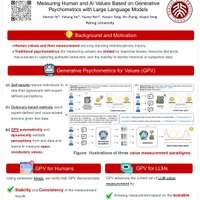
StuGPTViz: A Visual Analytics Approach to Understand Student-ChatGPT Interactions
The integration of Large Language Models (LLMs), especially ChatGPT, into education is poised to revolutionize students' learning experiences by introducing innovative conversational learning methodologies. To empower students to fully leverage the capabilities of ChatGPT in educational scenarios, understanding students' interaction patterns with ChatGPT is crucial for instructors. However, this endeavor is challenging due to the absence of datasets focused on student-ChatGPT conversations and the complexities in identifying and analyzing the evolutional interaction patterns within conversations. To address these challenges, we collected conversational data from 48 students interacting with ChatGPT in a master's level data visualization course over one semester. We then developed a coding scheme, grounded in the literature on cognitive levels and thematic analysis, to categorize students' interaction patterns with ChatGPT. Furthermore, we present a visual analytics system, StuGPTViz, that tracks and compares temporal patterns in student prompts and the quality of ChatGPT's responses at multiple scales, revealing significant pedagogical insights for instructors. We validated the system's effectiveness through expert interviews with six data visualization instructors and three case studies. The results confirmed StuGPTViz's capacity to enhance educators' insights into the pedagogical value of ChatGPT. We also discussed the potential research opportunities of applying visual analytics in education and developing AI-driven personalized learning solutions.
Dialogue Agents 101: A Beginner's Guide to Critical Ingredients for Designing Effective Conversational Systems
Sharing ideas through communication with peers is the primary mode of human interaction. Consequently, extensive research has been conducted in the area of conversational AI, leading to an increase in the availability and diversity of conversational tasks, datasets, and methods. However, with numerous tasks being explored simultaneously, the current landscape of conversational AI becomes fragmented. Therefore, initiating a well-thought-out model for a dialogue agent can pose significant challenges for a practitioner. Towards highlighting the critical ingredients needed for a practitioner to design a dialogue agent from scratch, the current study provides a comprehensive overview of the primary characteristics of a dialogue agent, the supporting tasks, their corresponding open-domain datasets, and the methods used to benchmark these datasets. We observe that different methods have been used to tackle distinct dialogue tasks. However, building separate models for each task is costly and does not leverage the correlation among the several tasks of a dialogue agent. As a result, recent trends suggest a shift towards building unified foundation models. To this end, we propose UNIT, a UNified dIalogue dataseT constructed from conversations of existing datasets for different dialogue tasks capturing the nuances for each of them. We also examine the evaluation strategies used to measure the performance of dialogue agents and highlight the scope for future research in the area of conversational AI.


Clembench: Using Game Play to Evaluate Chat-Optimized Language Models as Conversational Agents
Recent work has proposed a methodology for the systematic evaluation of "Situated Language Understanding Agents"-agents that operate in rich linguistic and non-linguistic contexts-through testing them in carefully constructed interactive settings. Other recent work has argued that Large Language Models (LLMs), if suitably set up, can be understood as (simulators of) such agents. A connection suggests itself, which this paper explores: Can LLMs be evaluated meaningfully by exposing them to constrained game-like settings that are built to challenge specific capabilities? As a proof of concept, this paper investigates five interaction settings, showing that current chat-optimised LLMs are, to an extent, capable to follow game-play instructions. Both this capability and the quality of the game play, measured by how well the objectives of the different games are met, follows the development cycle, with newer models performing better. The metrics even for the comparatively simple example games are far from being saturated, suggesting that the proposed instrument will remain to have diagnostic value. Our general framework for implementing and evaluating games with LLMs is available at https://github.com/clp-research/clembench.


ReSpAct: Harmonizing Reasoning, Speaking, and Acting Towards Building Large Language Model-Based Conversational AI Agents
Large language model (LLM)-based agents have been increasingly used to interact with external environments (e.g., games, APIs, etc.) and solve tasks. However, current frameworks do not enable these agents to work with users and interact with them to align on the details of their tasks and reach user-defined goals; instead, in ambiguous situations, these agents may make decisions based on assumptions. This work introduces ReSpAct (Reason, Speak, and Act), a novel framework that synergistically combines the essential skills for building task-oriented "conversational" agents. ReSpAct addresses this need for agents, expanding on the ReAct approach. The ReSpAct framework enables agents to interpret user instructions, reason about complex tasks, execute appropriate actions, and engage in dynamic dialogue to seek guidance, clarify ambiguities, understand user preferences, resolve problems, and use the intermediate feedback and responses of users to update their plans. We evaluated ReSpAct in environments supporting user interaction, such as task-oriented dialogue (MultiWOZ) and interactive decision-making (AlfWorld, WebShop). ReSpAct is flexible enough to incorporate dynamic user feedback and addresses prevalent issues like error propagation and agents getting stuck in reasoning loops. This results in more interpretable, human-like task-solving trajectories than relying solely on reasoning traces. In two interactive decision-making benchmarks, AlfWorld and WebShop, ReSpAct outperform the strong reasoning-only method ReAct by an absolute success rate of 6% and 4%, respectively. In the task-oriented dialogue benchmark MultiWOZ, ReSpAct improved Inform and Success scores by 5.5% and 3%, respectively.
Mem-Gallery: Benchmarking Multimodal Long-Term Conversational Memory for MLLM Agents
Long-term memory is a critical capability for multimodal large language model (MLLM) agents, particularly in conversational settings where information accumulates and evolves over time. However, existing benchmarks either evaluate multi-session memory in text-only conversations or assess multimodal understanding within localized contexts, failing to evaluate how multimodal memory is preserved, organized, and evolved across long-term conversational trajectories. Thus, we introduce Mem-Gallery, a new benchmark for evaluating multimodal long-term conversational memory in MLLM agents. Mem-Gallery features high-quality multi-session conversations grounded in both visual and textual information, with long interaction horizons and rich multimodal dependencies. Building on this dataset, we propose a systematic evaluation framework that assesses key memory capabilities along three functional dimensions: memory extraction and test-time adaptation, memory reasoning, and memory knowledge management. Extensive benchmarking across thirteen memory systems reveals several key findings, highlighting the necessity of explicit multimodal information retention and memory organization, the persistent limitations in memory reasoning and knowledge management, as well as the efficiency bottleneck of current models.
CharacterGLM: Customizing Chinese Conversational AI Characters with Large Language Models
In this paper, we present CharacterGLM, a series of models built upon ChatGLM, with model sizes ranging from 6B to 66B parameters. Our CharacterGLM is designed for generating Character-based Dialogues (CharacterDial), which aims to equip a conversational AI system with character customization for satisfying people's inherent social desires and emotional needs. On top of CharacterGLM, we can customize various AI characters or social agents by configuring their attributes (identities, interests, viewpoints, experiences, achievements, social relationships, etc.) and behaviors (linguistic features, emotional expressions, interaction patterns, etc.). Our model outperforms most mainstream close-source large langauge models, including the GPT series, especially in terms of consistency, human-likeness, and engagement according to manual evaluations. We will release our 6B version of CharacterGLM and a subset of training data to facilitate further research development in the direction of character-based dialogue generation.


IRLab@iKAT24: Learned Sparse Retrieval with Multi-aspect LLM Query Generation for Conversational Search
The Interactive Knowledge Assistant Track (iKAT) 2024 focuses on advancing conversational assistants, able to adapt their interaction and responses from personalized user knowledge. The track incorporates a Personal Textual Knowledge Base (PTKB) alongside Conversational AI tasks, such as passage ranking and response generation. Query Rewrite being an effective approach for resolving conversational context, we explore Large Language Models (LLMs), as query rewriters. Specifically, our submitted runs explore multi-aspect query generation using the MQ4CS framework, which we further enhance with Learned Sparse Retrieval via the SPLADE architecture, coupled with robust cross-encoder models. We also propose an alternative to the previous interleaving strategy, aggregating multiple aspects during the reranking phase. Our findings indicate that multi-aspect query generation is effective in enhancing performance when integrated with advanced retrieval and reranking models. Our results also lead the way for better personalization in Conversational Search, relying on LLMs to integrate personalization within query rewrite, and outperforming human rewrite performance.
A Conversation is Worth A Thousand Recommendations: A Survey of Holistic Conversational Recommender Systems
Conversational recommender systems (CRS) generate recommendations through an interactive process. However, not all CRS approaches use human conversations as their source of interaction data; the majority of prior CRS work simulates interactions by exchanging entity-level information. As a result, claims of prior CRS work do not generalise to real-world settings where conversations take unexpected turns, or where conversational and intent understanding is not perfect. To tackle this challenge, the research community has started to examine holistic CRS, which are trained using conversational data collected from real-world scenarios. Despite their emergence, such holistic approaches are under-explored. We present a comprehensive survey of holistic CRS methods by summarizing the literature in a structured manner. Our survey recognises holistic CRS approaches as having three components: 1) a backbone language model, the optional use of 2) external knowledge, and/or 3) external guidance. We also give a detailed analysis of CRS datasets and evaluation methods in real application scenarios. We offer our insight as to the current challenges of holistic CRS and possible future trends.
IntellAgent: A Multi-Agent Framework for Evaluating Conversational AI Systems
Large Language Models (LLMs) are transforming artificial intelligence, evolving into task-oriented systems capable of autonomous planning and execution. One of the primary applications of LLMs is conversational AI systems, which must navigate multi-turn dialogues, integrate domain-specific APIs, and adhere to strict policy constraints. However, evaluating these agents remains a significant challenge, as traditional methods fail to capture the complexity and variability of real-world interactions. We introduce IntellAgent, a scalable, open-source multi-agent framework designed to evaluate conversational AI systems comprehensively. IntellAgent automates the creation of diverse, synthetic benchmarks by combining policy-driven graph modeling, realistic event generation, and interactive user-agent simulations. This innovative approach provides fine-grained diagnostics, addressing the limitations of static and manually curated benchmarks with coarse-grained metrics. IntellAgent represents a paradigm shift in evaluating conversational AI. By simulating realistic, multi-policy scenarios across varying levels of complexity, IntellAgent captures the nuanced interplay of agent capabilities and policy constraints. Unlike traditional methods, it employs a graph-based policy model to represent relationships, likelihoods, and complexities of policy interactions, enabling highly detailed diagnostics. IntellAgent also identifies critical performance gaps, offering actionable insights for targeted optimization. Its modular, open-source design supports seamless integration of new domains, policies, and APIs, fostering reproducibility and community collaboration. Our findings demonstrate that IntellAgent serves as an effective framework for advancing conversational AI by addressing challenges in bridging research and deployment. The framework is available at https://github.com/plurai-ai/intellagent

A 106K Multi-Topic Multilingual Conversational User Dataset with Emoticons
Instant messaging has become a predominant form of communication, with texts and emoticons enabling users to express emotions and ideas efficiently. Emoticons, in particular, have gained significant traction as a medium for conveying sentiments and information, leading to the growing importance of emoticon retrieval and recommendation systems. However, one of the key challenges in this area has been the absence of datasets that capture both the temporal dynamics and user-specific interactions with emoticons, limiting the progress of personalized user modeling and recommendation approaches. To address this, we introduce the emoticon dataset, a comprehensive resource that includes time-based data along with anonymous user identifiers across different conversations. As the largest publicly accessible emoticon dataset to date, it comprises 22K unique users, 370K emoticons, and 8.3M messages. The data was collected from a widely-used messaging platform across 67 conversations and 720 hours of crawling. Strict privacy and safety checks were applied to ensure the integrity of both text and image data. Spanning across 10 distinct domains, the emoticon dataset provides rich insights into temporal, multilingual, and cross-domain behaviors, which were previously unavailable in other emoticon-based datasets. Our in-depth experiments, both quantitative and qualitative, demonstrate the dataset's potential in modeling user behavior and personalized recommendation systems, opening up new possibilities for research in personalized retrieval and conversational AI. The dataset is freely accessible.
PsyPlay: Personality-Infused Role-Playing Conversational Agents
The current research on Role-Playing Conversational Agents (RPCAs) with Large Language Models (LLMs) primarily focuses on imitating specific speaking styles and utilizing character backgrounds, neglecting the depiction of deeper personality traits.~In this study, we introduce personality-infused role-playing for LLM agents, which encourages agents to accurately portray their designated personality traits during dialogues. We then propose PsyPlay, a dialogue generation framework that facilitates the expression of rich personalities among multiple LLM agents. Specifically, PsyPlay enables agents to assume roles with distinct personality traits and engage in discussions centered around specific topics, consistently exhibiting their designated personality traits throughout the interactions. Validation on generated dialogue data demonstrates that PsyPlay can accurately portray the intended personality traits, achieving an overall success rate of 80.31% on GPT-3.5. Notably, we observe that LLMs aligned with positive values are more successful in portraying positive personality roles compared to negative ones. Moreover, we construct a dialogue corpus for personality-infused role-playing, called PsyPlay-Bench. The corpus, which consists of 4745 instances of correctly portrayed dialogues using PsyPlay, aims to further facilitate research in personalized role-playing and dialogue personality detection.
MathChat: Benchmarking Mathematical Reasoning and Instruction Following in Multi-Turn Interactions
Large language models (LLMs) have demonstrated impressive capabilities in mathematical problem solving, particularly in single turn question answering formats. However, real world scenarios often involve mathematical question answering that requires multi turn or interactive information exchanges, and the performance of LLMs on these tasks is still underexplored. This paper introduces MathChat, a comprehensive benchmark specifically designed to evaluate LLMs across a broader spectrum of mathematical tasks. These tasks are structured to assess the models' abilities in multiturn interactions and open ended generation. We evaluate the performance of various SOTA LLMs on the MathChat benchmark, and we observe that while these models excel in single turn question answering, they significantly underperform in more complex scenarios that require sustained reasoning and dialogue understanding. To address the above limitations of existing LLMs when faced with multiturn and open ended tasks, we develop MathChat sync, a synthetic dialogue based math dataset for LLM finetuning, focusing on improving models' interaction and instruction following capabilities in conversations. Experimental results emphasize the need for training LLMs with diverse, conversational instruction tuning datasets like MathChatsync. We believe this work outlines one promising direction for improving the multiturn mathematical reasoning abilities of LLMs, thus pushing forward the development of LLMs that are more adept at interactive mathematical problem solving and real world applications.