
Get trending papers in your email inbox once a day!
Get trending papers in your email inbox!
Subscribe

Frequency-Domain Refinement with Multiscale Diffusion for Super Resolution
The performance of single image super-resolution depends heavily on how to generate and complement high-frequency details to low-resolution images. Recently, diffusion-based models exhibit great potential in generating high-quality images for super-resolution tasks. However, existing models encounter difficulties in directly predicting high-frequency information of wide bandwidth by solely utilizing the high-resolution ground truth as the target for all sampling timesteps. To tackle this problem and achieve higher-quality super-resolution, we propose a novel Frequency Domain-guided multiscale Diffusion model (FDDiff), which decomposes the high-frequency information complementing process into finer-grained steps. In particular, a wavelet packet-based frequency complement chain is developed to provide multiscale intermediate targets with increasing bandwidth for reverse diffusion process. Then FDDiff guides reverse diffusion process to progressively complement the missing high-frequency details over timesteps. Moreover, we design a multiscale frequency refinement network to predict the required high-frequency components at multiple scales within one unified network. Comprehensive evaluations on popular benchmarks are conducted, and demonstrate that FDDiff outperforms prior generative methods with higher-fidelity super-resolution results.
Transform Once: Efficient Operator Learning in Frequency Domain
Spectral analysis provides one of the most effective paradigms for information-preserving dimensionality reduction, as simple descriptions of naturally occurring signals are often obtained via few terms of periodic basis functions. In this work, we study deep neural networks designed to harness the structure in frequency domain for efficient learning of long-range correlations in space or time: frequency-domain models (FDMs). Existing FDMs are based on complex-valued transforms i.e. Fourier Transforms (FT), and layers that perform computation on the spectrum and input data separately. This design introduces considerable computational overhead: for each layer, a forward and inverse FT. Instead, this work introduces a blueprint for frequency domain learning through a single transform: transform once (T1). To enable efficient, direct learning in the frequency domain we derive a variance-preserving weight initialization scheme and investigate methods for frequency selection in reduced-order FDMs. Our results noticeably streamline the design process of FDMs, pruning redundant transforms, and leading to speedups of 3x to 10x that increase with data resolution and model size. We perform extensive experiments on learning the solution operator of spatio-temporal dynamics, including incompressible Navier-Stokes, turbulent flows around airfoils and high-resolution video of smoke. T1 models improve on the test performance of FDMs while requiring significantly less computation (5 hours instead of 32 for our large-scale experiment), with over 20% reduction in average predictive error across tasks.


Guidance in the Frequency Domain Enables High-Fidelity Sampling at Low CFG Scales
Classifier-free guidance (CFG) has become an essential component of modern conditional diffusion models. Although highly effective in practice, the underlying mechanisms by which CFG enhances quality, detail, and prompt alignment are not fully understood. We present a novel perspective on CFG by analyzing its effects in the frequency domain, showing that low and high frequencies have distinct impacts on generation quality. Specifically, low-frequency guidance governs global structure and condition alignment, while high-frequency guidance mainly enhances visual fidelity. However, applying a uniform scale across all frequencies -- as is done in standard CFG -- leads to oversaturation and reduced diversity at high scales and degraded visual quality at low scales. Based on these insights, we propose frequency-decoupled guidance (FDG), an effective approach that decomposes CFG into low- and high-frequency components and applies separate guidance strengths to each component. FDG improves image quality at low guidance scales and avoids the drawbacks of high CFG scales by design. Through extensive experiments across multiple datasets and models, we demonstrate that FDG consistently enhances sample fidelity while preserving diversity, leading to improved FID and recall compared to CFG, establishing our method as a plug-and-play alternative to standard classifier-free guidance.


MathBode: Frequency-Domain Fingerprints of LLM Mathematical Reasoning
This paper presents MathBode, a dynamic diagnostic for mathematical reasoning in large language models (LLMs). Instead of one-shot accuracy, MathBode treats each parametric problem as a system: we drive a single parameter sinusoidally and fit first-harmonic responses of model outputs and exact solutions. This yields interpretable, frequency-resolved metrics -- gain (amplitude tracking) and phase (lag) -- that form Bode-style fingerprints. Across five closed-form families (linear solve, ratio/saturation, compound interest, 2x2 linear systems, similar triangles), the diagnostic surfaces systematic low-pass behavior and growing phase lag that accuracy alone obscures. We compare several models against a symbolic baseline that calibrates the instrument (G approx 1, phi approx 0). Results separate frontier from mid-tier models on dynamics, providing a compact, reproducible protocol that complements standard benchmarks with actionable measurements of reasoning fidelity and consistency. We open-source the dataset and code to enable further research and adoption.

Leveraging Frequency Domain Learning in 3D Vessel Segmentation
Coronary microvascular disease constitutes a substantial risk to human health. Employing computer-aided analysis and diagnostic systems, medical professionals can intervene early in disease progression, with 3D vessel segmentation serving as a crucial component. Nevertheless, conventional U-Net architectures tend to yield incoherent and imprecise segmentation outcomes, particularly for small vessel structures. While models with attention mechanisms, such as Transformers and large convolutional kernels, demonstrate superior performance, their extensive computational demands during training and inference lead to increased time complexity. In this study, we leverage Fourier domain learning as a substitute for multi-scale convolutional kernels in 3D hierarchical segmentation models, which can reduce computational expenses while preserving global receptive fields within the network. Furthermore, a zero-parameter frequency domain fusion method is designed to improve the skip connections in U-Net architecture. Experimental results on a public dataset and an in-house dataset indicate that our novel Fourier transformation-based network achieves remarkable dice performance (84.37\% on ASACA500 and 80.32\% on ImageCAS) in tubular vessel segmentation tasks and substantially reduces computational requirements without compromising global receptive fields.

Fast and Uncertainty-Aware SVBRDF Recovery from Multi-View Capture using Frequency Domain Analysis
Relightable object acquisition is a key challenge in simplifying digital asset creation. Complete reconstruction of an object typically requires capturing hundreds to thousands of photographs under controlled illumination, with specialized equipment. The recent progress in differentiable rendering improved the quality and accessibility of inverse rendering optimization. Nevertheless, under uncontrolled illumination and unstructured viewpoints, there is no guarantee that the observations contain enough information to reconstruct the appearance properties of the captured object. We thus propose to consider the acquisition process from a signal-processing perspective. Given an object's geometry and a lighting environment, we estimate the properties of the materials on the object's surface in seconds. We do so by leveraging frequency domain analysis, considering the recovery of material properties as a deconvolution, enabling fast error estimation. We then quantify the uncertainty of the estimation, based on the available data, highlighting the areas for which priors or additional samples would be required for improved acquisition quality. We compare our approach to previous work and quantitatively evaluate our results, showing similar quality as previous work in a fraction of the time, and providing key information about the certainty of the results.




FDG-Diff: Frequency-Domain-Guided Diffusion Framework for Compressed Hazy Image Restoration
In this study, we reveal that the interaction between haze degradation and JPEG compression introduces complex joint loss effects, which significantly complicate image restoration. Existing dehazing models often neglect compression effects, which limits their effectiveness in practical applications. To address these challenges, we introduce three key contributions. First, we design FDG-Diff, a novel frequency-domain-guided dehazing framework that improves JPEG image restoration by leveraging frequency-domain information. Second, we introduce the High-Frequency Compensation Module (HFCM), which enhances spatial-domain detail restoration by incorporating frequency-domain augmentation techniques into a diffusion-based restoration framework. Lastly, the introduction of the Degradation-Aware Denoising Timestep Predictor (DADTP) module further enhances restoration quality by enabling adaptive region-specific restoration, effectively addressing regional degradation inconsistencies in compressed hazy images. Experimental results across multiple compressed dehazing datasets demonstrate that our method consistently outperforms the latest state-of-the-art approaches. Code be available at https://github.com/SYSUzrc/FDG-Diff.

Comparing Time and Frequency Domain for Audio Event Recognition Using Deep Learning
Recognizing acoustic events is an intricate problem for a machine and an emerging field of research. Deep neural networks achieve convincing results and are currently the state-of-the-art approach for many tasks. One advantage is their implicit feature learning, opposite to an explicit feature extraction of the input signal. In this work, we analyzed whether more discriminative features can be learned from either the time-domain or the frequency-domain representation of the audio signal. For this purpose, we trained multiple deep networks with different architectures on the Freiburg-106 and ESC-10 datasets. Our results show that feature learning from the frequency domain is superior to the time domain. Moreover, additionally using convolution and pooling layers, to explore local structures of the audio signal, significantly improves the recognition performance and achieves state-of-the-art results.
Rethinking Brain Tumor Segmentation from the Frequency Domain Perspective
Precise segmentation of brain tumors, particularly contrast-enhancing regions visible in post-contrast MRI (areas highlighted by contrast agent injection), is crucial for accurate clinical diagnosis and treatment planning but remains challenging. However, current methods exhibit notable performance degradation in segmenting these enhancing brain tumor areas, largely due to insufficient consideration of MRI-specific tumor features such as complex textures and directional variations. To address this, we propose the Harmonized Frequency Fusion Network (HFF-Net), which rethinks brain tumor segmentation from a frequency-domain perspective. To comprehensively characterize tumor regions, we develop a Frequency Domain Decomposition (FDD) module that separates MRI images into low-frequency components, capturing smooth tumor contours and high-frequency components, highlighting detailed textures and directional edges. To further enhance sensitivity to tumor boundaries, we introduce an Adaptive Laplacian Convolution (ALC) module that adaptively emphasizes critical high-frequency details using dynamically updated convolution kernels. To effectively fuse tumor features across multiple scales, we design a Frequency Domain Cross-Attention (FDCA) integrating semantic, positional, and slice-specific information. We further validate and interpret frequency-domain improvements through visualization, theoretical reasoning, and experimental analyses. Extensive experiments on four public datasets demonstrate that HFF-Net achieves an average relative improvement of 4.48\% (ranging from 2.39\% to 7.72\%) in the mean Dice scores across the three major subregions, and an average relative improvement of 7.33% (ranging from 5.96% to 8.64%) in the segmentation of contrast-enhancing tumor regions, while maintaining favorable computational efficiency and clinical applicability. Code: https://github.com/VinyehShaw/HFF.

Earth-Adapter: Bridge the Geospatial Domain Gaps with Mixture of Frequency Adaptation
Parameter-Efficient Fine-Tuning (PEFT) is a technique that allows us to adapt powerful Foundation Models (FMs) to diverse downstream tasks while preserving and unleashing their inherent capabilities. However, we have observed that existing PEFT methods, which are often designed with natural imagery in mind, struggle when applied to Remote Sensing (RS) scenarios. This is primarily due to their inability to handle artifact influences, a problem particularly severe in RS image features. To tackle this challenge, we introduce Earth-Adapter, the first PEFT method specifically designed for RS artifacts conquering. Earth-Adapter introduces a novel Mixture of Frequency Adaptation process that combines a Mixture of Adapter (MoA) with Discrete Fourier Transformation (DFT). By utilizing DFT, Earth-Adapter can decompose features into different frequency components, precisely separating artifacts from original features. The MoA then dynamically assigns weights to each adapter expert, allowing for the combination of features across various frequency domains. These simple-yet-effective approaches enable Earth-Adapter to more efficiently overcome the disturbances caused by artifacts than previous PEFT methods, significantly enhancing the FMs' performance on RS scenarios. Experiments on Domain Adaptation (DA), and Domain Generalization (DG) semantic segmentation benchmarks showcase the Earth-Adapter's effectiveness. Compared with baseline Rein, Earth-Adapter significantly improves 9.0% mIoU in DA and 3.1% mIoU in DG benchmarks. Our code will be released at https://github.com/VisionXLab/Earth-Adapter.

Wavelet Policy: Imitation Policy Learning in Frequency Domain with Wavelet Transforms
Recent imitation learning policies, often framed as time series prediction tasks, directly map robotic observations-such as high-dimensional visual data and proprioception-into the action space. While time series prediction primarily relies on spatial domain modeling, the underutilization of frequency domain analysis in robotic manipulation trajectory prediction may lead to neglecting the inherent temporal information embedded within action sequences. To address this, we reframe imitation learning policies through the lens of the frequency domain and introduce the Wavelet Policy. This novel approach employs wavelet transforms (WT) for feature preprocessing and extracts multi-scale features from the frequency domain using the SE2MD (Single Encoder to Multiple Decoder) architecture. Furthermore, to enhance feature mapping in the frequency domain and increase model capacity, we introduce a Learnable Frequency-Domain Filter (LFDF) after each frequency decoder, improving adaptability under different visual conditions. Our results show that the Wavelet Policy outperforms state-of-the-art (SOTA) end-to-end methods by over 10% on four challenging robotic arm tasks, while maintaining a comparable parameter count. In long-range settings, its performance declines more slowly as task volume increases. The source code is available at https://github.com/lurenjia384/Wavelet_Policy.

Fourier-VLM: Compressing Vision Tokens in the Frequency Domain for Large Vision-Language Models
Vision-Language Models (VLMs) typically replace the predefined image placeholder token (<image>) in textual instructions with visual features from an image encoder, forming the input to a backbone Large Language Model (LLM). However, the large number of vision tokens significantly increases the context length, leading to high computational overhead and inference latency. While previous efforts mitigate this by selecting only important visual features or leveraging learnable queries to reduce token count, they often compromise performance or introduce substantial extra costs. In response, we propose Fourier-VLM, a simple yet efficient method that compresses visual representations in the frequency domain. Our approach is motivated by the observation that vision features output from the vision encoder exhibit concentrated energy in low-frequency components. Leveraging this, we apply a low-pass filter to the vision features using a two-dimensional Discrete Cosine Transform (DCT). Notably, the DCT is efficiently computed via the Fast Fourier Transform (FFT) operator with a time complexity of O(nlog n), minimizing the extra computational cost while introducing no additional parameters. Extensive experiments across various image-based benchmarks demonstrate that Fourier-VLM achieves competitive performance with strong generalizability across both LLaVA and Qwen-VL architectures. Crucially, it reduce inference FLOPs by up to 83.8% and boots generation speed by 31.2% compared to LLaVA-v1.5, highlighting the superior efficiency and practicality.
Decompose, Adjust, Compose: Effective Normalization by Playing with Frequency for Domain Generalization
Domain generalization (DG) is a principal task to evaluate the robustness of computer vision models. Many previous studies have used normalization for DG. In normalization, statistics and normalized features are regarded as style and content, respectively. However, it has a content variation problem when removing style because the boundary between content and style is unclear. This study addresses this problem from the frequency domain perspective, where amplitude and phase are considered as style and content, respectively. First, we verify the quantitative phase variation of normalization through the mathematical derivation of the Fourier transform formula. Then, based on this, we propose a novel normalization method, PCNorm, which eliminates style only as the preserving content through spectral decomposition. Furthermore, we propose advanced PCNorm variants, CCNorm and SCNorm, which adjust the degrees of variations in content and style, respectively. Thus, they can learn domain-agnostic representations for DG. With the normalization methods, we propose ResNet-variant models, DAC-P and DAC-SC, which are robust to the domain gap. The proposed models outperform other recent DG methods. The DAC-SC achieves an average state-of-the-art performance of 65.6% on five datasets: PACS, VLCS, Office-Home, DomainNet, and TerraIncognita.
Improving Adversarial Robustness of Masked Autoencoders via Test-time Frequency-domain Prompting
In this paper, we investigate the adversarial robustness of vision transformers that are equipped with BERT pretraining (e.g., BEiT, MAE). A surprising observation is that MAE has significantly worse adversarial robustness than other BERT pretraining methods. This observation drives us to rethink the basic differences between these BERT pretraining methods and how these differences affect the robustness against adversarial perturbations. Our empirical analysis reveals that the adversarial robustness of BERT pretraining is highly related to the reconstruction target, i.e., predicting the raw pixels of masked image patches will degrade more adversarial robustness of the model than predicting the semantic context, since it guides the model to concentrate more on medium-/high-frequency components of images. Based on our analysis, we provide a simple yet effective way to boost the adversarial robustness of MAE. The basic idea is using the dataset-extracted domain knowledge to occupy the medium-/high-frequency of images, thus narrowing the optimization space of adversarial perturbations. Specifically, we group the distribution of pretraining data and optimize a set of cluster-specific visual prompts on frequency domain. These prompts are incorporated with input images through prototype-based prompt selection during test period. Extensive evaluation shows that our method clearly boost MAE's adversarial robustness while maintaining its clean performance on ImageNet-1k classification. Our code is available at: https://github.com/shikiw/RobustMAE.


Cuff-less Arterial Blood Pressure Waveform Synthesis from Single-site PPG using Transformer & Frequency-domain Learning
We propose two novel purpose-built deep learning (DL) models for synthesis of the arterial blood pressure (ABP) waveform in a cuff-less manner, using a single-site photoplethysmography (PPG) signal. We utilize the public UCI dataset on cuff-less blood pressure (CLBP) estimation to train and evaluate our DL models. Firstly, we implement a transformer model that incorporates positional encoding, multi-head attention, layer normalization, and dropout techniques, and synthesizes the ABP waveform with a mean absolute error (MAE) of 14. Secondly, we implement a frequency-domain (FD) learning approach where we first obtain the discrete cosine transform (DCT) coefficients of the PPG and ABP signals corresponding to two cardiac cycles, and then learn a linear/non-linear (L/NL) regression between them. We learn that the FD L/NL regression model outperforms the transformer model by achieving an MAE of 11.87 and 8.01, for diastolic blood pressure (DBP) and systolic blood pressure (SBP), respectively. Our FD L/NL regression model also fulfills the AAMI criterion of utilizing data from more than 85 subjects, and achieves grade B by the BHS criterion.
DocPedia: Unleashing the Power of Large Multimodal Model in the Frequency Domain for Versatile Document Understanding
This work presents DocPedia, a novel large multimodal model (LMM) for versatile OCR-free document understanding, capable of parsing images up to 2,560times2,560 resolution. Unlike existing work either struggle with high-resolution documents or give up the large language model thus vision or language ability constrained, our DocPedia directly processes visual input in the frequency domain rather than the pixel space. The unique characteristic enables DocPedia to capture a greater amount of visual and textual information using a limited number of visual tokens. To consistently enhance both perception and comprehension abilities of our model, we develop a dual-stage training strategy and enrich instructions/annotations of all training tasks covering multiple document types. Extensive quantitative and qualitative experiments conducted on various publicly available benchmarks confirm the mutual benefits of jointly learning perception and comprehension tasks. The results provide further evidence of the effectiveness and superior performance of our DocPedia over other methods.
Revisiting Backdoor Attacks on Time Series Classification in the Frequency Domain
Time series classification (TSC) is a cornerstone of modern web applications, powering tasks such as financial data analysis, network traffic monitoring, and user behavior analysis. In recent years, deep neural networks (DNNs) have greatly enhanced the performance of TSC models in these critical domains. However, DNNs are vulnerable to backdoor attacks, where attackers can covertly implant triggers into models to induce malicious outcomes. Existing backdoor attacks targeting DNN-based TSC models remain elementary. In particular, early methods borrow trigger designs from computer vision, which are ineffective for time series data. More recent approaches utilize generative models for trigger generation, but at the cost of significant computational complexity. In this work, we analyze the limitations of existing attacks and introduce an enhanced method, FreqBack. Drawing inspiration from the fact that DNN models inherently capture frequency domain features in time series data, we identify that improper perturbations in the frequency domain are the root cause of ineffective attacks. To address this, we propose to generate triggers both effectively and efficiently, guided by frequency analysis. FreqBack exhibits substantial performance across five models and eight datasets, achieving an impressive attack success rate of over 90%, while maintaining less than a 3% drop in model accuracy on clean data.
Enhancing Representation Learning for Periodic Time Series with Floss: A Frequency Domain Regularization Approach
Time series analysis is a fundamental task in various application domains, and deep learning approaches have demonstrated remarkable performance in this area. However, many real-world time series data exhibit significant periodic or quasi-periodic dynamics that are often not adequately captured by existing deep learning-based solutions. This results in an incomplete representation of the underlying dynamic behaviors of interest. To address this gap, we propose an unsupervised method called Floss that automatically regularizes learned representations in the frequency domain. The Floss method first automatically detects major periodicities from the time series. It then employs periodic shift and spectral density similarity measures to learn meaningful representations with periodic consistency. In addition, Floss can be easily incorporated into both supervised, semi-supervised, and unsupervised learning frameworks. We conduct extensive experiments on common time series classification, forecasting, and anomaly detection tasks to demonstrate the effectiveness of Floss. We incorporate Floss into several representative deep learning solutions to justify our design choices and demonstrate that it is capable of automatically discovering periodic dynamics and improving state-of-the-art deep learning models.
Spiking Neural Networks Need High Frequency Information
Spiking Neural Networks promise brain-inspired and energy-efficient computation by transmitting information through binary (0/1) spikes. Yet, their performance still lags behind that of artificial neural networks, often assumed to result from information loss caused by sparse and binary activations. In this work, we challenge this long-standing assumption and reveal a previously overlooked frequency bias: spiking neurons inherently suppress high-frequency components and preferentially propagate low-frequency information. This frequency-domain imbalance, we argue, is the root cause of degraded feature representation in SNNs. Empirically, on Spiking Transformers, adopting Avg-Pooling (low-pass) for token mixing lowers performance to 76.73% on Cifar-100, whereas replacing it with Max-Pool (high-pass) pushes the top-1 accuracy to 79.12%. Accordingly, we introduce Max-Former that restores high-frequency signals through two frequency-enhancing operators: (1) extra Max-Pool in patch embedding, and (2) Depth-Wise Convolution in place of self-attention. Notably, Max-Former attains 82.39% top-1 accuracy on ImageNet using only 63.99M parameters, surpassing Spikformer (74.81%, 66.34M) by +7.58%. Extending our insight beyond transformers, our Max-ResNet-18 achieves state-of-the-art performance on convolution-based benchmarks: 97.17% on CIFAR-10 and 83.06\% on CIFAR-100. We hope this simple yet effective solution inspires future research to explore the distinctive nature of spiking neural networks. Code is available: https://github.com/bic-L/MaxFormer.

FreqPolicy: Frequency Autoregressive Visuomotor Policy with Continuous Tokens
Learning effective visuomotor policies for robotic manipulation is challenging, as it requires generating precise actions while maintaining computational efficiency. Existing methods remain unsatisfactory due to inherent limitations in the essential action representation and the basic network architectures. We observe that representing actions in the frequency domain captures the structured nature of motion more effectively: low-frequency components reflect global movement patterns, while high-frequency components encode fine local details. Additionally, robotic manipulation tasks of varying complexity demand different levels of modeling precision across these frequency bands. Motivated by this, we propose a novel paradigm for visuomotor policy learning that progressively models hierarchical frequency components. To further enhance precision, we introduce continuous latent representations that maintain smoothness and continuity in the action space. Extensive experiments across diverse 2D and 3D robotic manipulation benchmarks demonstrate that our approach outperforms existing methods in both accuracy and efficiency, showcasing the potential of a frequency-domain autoregressive framework with continuous tokens for generalized robotic manipulation.Code is available at https://github.com/4DVLab/Freqpolicy
Frequency-Adaptive Pan-Sharpening with Mixture of Experts
Pan-sharpening involves reconstructing missing high-frequency information in multi-spectral images with low spatial resolution, using a higher-resolution panchromatic image as guidance. Although the inborn connection with frequency domain, existing pan-sharpening research has not almost investigated the potential solution upon frequency domain. To this end, we propose a novel Frequency Adaptive Mixture of Experts (FAME) learning framework for pan-sharpening, which consists of three key components: the Adaptive Frequency Separation Prediction Module, the Sub-Frequency Learning Expert Module, and the Expert Mixture Module. In detail, the first leverages the discrete cosine transform to perform frequency separation by predicting the frequency mask. On the basis of generated mask, the second with low-frequency MOE and high-frequency MOE takes account for enabling the effective low-frequency and high-frequency information reconstruction. Followed by, the final fusion module dynamically weights high-frequency and low-frequency MOE knowledge to adapt to remote sensing images with significant content variations. Quantitative and qualitative experiments over multiple datasets demonstrate that our method performs the best against other state-of-the-art ones and comprises a strong generalization ability for real-world scenes. Code will be made publicly at https://github.com/alexhe101/FAME-Net.
BEAT: Balanced Frequency Adaptive Tuning for Long-Term Time-Series Forecasting
Time-series forecasting is crucial for numerous real-world applications including weather prediction and financial market modeling. While temporal-domain methods remain prevalent, frequency-domain approaches can effectively capture multi-scale periodic patterns, reduce sequence dependencies, and naturally denoise signals. However, existing approaches typically train model components for all frequencies under a unified training objective, often leading to mismatched learning speeds: high-frequency components converge faster and risk overfitting, while low-frequency components underfit due to insufficient training time. To deal with this challenge, we propose BEAT (Balanced frEquency Adaptive Tuning), a novel framework that dynamically monitors the training status for each frequency and adaptively adjusts their gradient updates. By recognizing convergence, overfitting, or underfitting for each frequency, BEAT dynamically reallocates learning priorities, moderating gradients for rapid learners and increasing those for slower ones, alleviating the tension between competing objectives across frequencies and synchronizing the overall learning process. Extensive experiments on seven real-world datasets demonstrate that BEAT consistently outperforms state-of-the-art approaches.
Task-Generalized Adaptive Cross-Domain Learning for Multimodal Image Fusion
Multimodal Image Fusion (MMIF) aims to integrate complementary information from different imaging modalities to overcome the limitations of individual sensors. It enhances image quality and facilitates downstream applications such as remote sensing, medical diagnostics, and robotics. Despite significant advancements, current MMIF methods still face challenges such as modality misalignment, high-frequency detail destruction, and task-specific limitations. To address these challenges, we propose AdaSFFuse, a novel framework for task-generalized MMIF through adaptive cross-domain co-fusion learning. AdaSFFuse introduces two key innovations: the Adaptive Approximate Wavelet Transform (AdaWAT) for frequency decoupling, and the Spatial-Frequency Mamba Blocks for efficient multimodal fusion. AdaWAT adaptively separates the high- and low-frequency components of multimodal images from different scenes, enabling fine-grained extraction and alignment of distinct frequency characteristics for each modality. The Spatial-Frequency Mamba Blocks facilitate cross-domain fusion in both spatial and frequency domains, enhancing this process. These blocks dynamically adjust through learnable mappings to ensure robust fusion across diverse modalities. By combining these components, AdaSFFuse improves the alignment and integration of multimodal features, reduces frequency loss, and preserves critical details. Extensive experiments on four MMIF tasks -- Infrared-Visible Image Fusion (IVF), Multi-Focus Image Fusion (MFF), Multi-Exposure Image Fusion (MEF), and Medical Image Fusion (MIF) -- demonstrate AdaSFFuse's superior fusion performance, ensuring both low computational cost and a compact network, offering a strong balance between performance and efficiency. The code will be publicly available at https://github.com/Zhen-yu-Liu/AdaSFFuse.

Dual Frequency Branch Framework with Reconstructed Sliding Windows Attention for AI-Generated Image Detection
The rapid advancement of Generative Adversarial Networks (GANs) and diffusion models has enabled the creation of highly realistic synthetic images, presenting significant societal risks, such as misinformation and deception. As a result, detecting AI-generated images has emerged as a critical challenge. Existing researches emphasize extracting fine-grained features to enhance detector generalization, yet they often lack consideration for the importance and interdependencies of internal elements within local regions and are limited to a single frequency domain, hindering the capture of general forgery traces. To overcome the aforementioned limitations, we first utilize a sliding window to restrict the attention mechanism to a local window, and reconstruct the features within the window to model the relationships between neighboring internal elements within the local region. Then, we design a dual frequency domain branch framework consisting of four frequency domain subbands of DWT and the phase part of FFT to enrich the extraction of local forgery features from different perspectives. Through feature enrichment of dual frequency domain branches and fine-grained feature extraction of reconstruction sliding window attention, our method achieves superior generalization detection capabilities on both GAN and diffusion model-based generative images. Evaluated on diverse datasets comprising images from 65 distinct generative models, our approach achieves a 2.13\% improvement in detection accuracy over state-of-the-art methods.

Adaptive Frequency Filters As Efficient Global Token Mixers
Recent vision transformers, large-kernel CNNs and MLPs have attained remarkable successes in broad vision tasks thanks to their effective information fusion in the global scope. However, their efficient deployments, especially on mobile devices, still suffer from noteworthy challenges due to the heavy computational costs of self-attention mechanisms, large kernels, or fully connected layers. In this work, we apply conventional convolution theorem to deep learning for addressing this and reveal that adaptive frequency filters can serve as efficient global token mixers. With this insight, we propose Adaptive Frequency Filtering (AFF) token mixer. This neural operator transfers a latent representation to the frequency domain via a Fourier transform and performs semantic-adaptive frequency filtering via an elementwise multiplication, which mathematically equals to a token mixing operation in the original latent space with a dynamic convolution kernel as large as the spatial resolution of this latent representation. We take AFF token mixers as primary neural operators to build a lightweight neural network, dubbed AFFNet. Extensive experiments demonstrate the effectiveness of our proposed AFF token mixer and show that AFFNet achieve superior accuracy and efficiency trade-offs compared to other lightweight network designs on broad visual tasks, including visual recognition and dense prediction tasks.

SPANet: Frequency-balancing Token Mixer using Spectral Pooling Aggregation Modulation
Recent studies show that self-attentions behave like low-pass filters (as opposed to convolutions) and enhancing their high-pass filtering capability improves model performance. Contrary to this idea, we investigate existing convolution-based models with spectral analysis and observe that improving the low-pass filtering in convolution operations also leads to performance improvement. To account for this observation, we hypothesize that utilizing optimal token mixers that capture balanced representations of both high- and low-frequency components can enhance the performance of models. We verify this by decomposing visual features into the frequency domain and combining them in a balanced manner. To handle this, we replace the balancing problem with a mask filtering problem in the frequency domain. Then, we introduce a novel token-mixer named SPAM and leverage it to derive a MetaFormer model termed as SPANet. Experimental results show that the proposed method provides a way to achieve this balance, and the balanced representations of both high- and low-frequency components can improve the performance of models on multiple computer vision tasks. Our code is available at https://doranlyong.github.io/projects/spanet/{https://doranlyong.github.io/projects/spanet/}.
Time series saliency maps: explaining models across multiple domains
Traditional saliency map methods, popularized in computer vision, highlight individual points (pixels) of the input that contribute the most to the model's output. However, in time-series they offer limited insights as semantically meaningful features are often found in other domains. We introduce Cross-domain Integrated Gradients, a generalization of Integrated Gradients. Our method enables feature attributions on any domain that can be formulated as an invertible, differentiable transformation of the time domain. Crucially, our derivation extends the original Integrated Gradients into the complex domain, enabling frequency-based attributions. We provide the necessary theoretical guarantees, namely, path independence and completeness. Our approach reveals interpretable, problem-specific attributions that time-domain methods cannot capture, on three real-world tasks: wearable sensor heart rate extraction, electroencephalography-based seizure detection, and zero-shot time-series forecasting. We release an open-source Tensorflow/PyTorch library to enable plug-and-play cross-domain explainability for time-series models. These results demonstrate the ability of cross-domain integrated gradients to provide semantically meaningful insights in time-series models that are impossible with traditional time-domain saliency.

FACL-Attack: Frequency-Aware Contrastive Learning for Transferable Adversarial Attacks
Deep neural networks are known to be vulnerable to security risks due to the inherent transferable nature of adversarial examples. Despite the success of recent generative model-based attacks demonstrating strong transferability, it still remains a challenge to design an efficient attack strategy in a real-world strict black-box setting, where both the target domain and model architectures are unknown. In this paper, we seek to explore a feature contrastive approach in the frequency domain to generate adversarial examples that are robust in both cross-domain and cross-model settings. With that goal in mind, we propose two modules that are only employed during the training phase: a Frequency-Aware Domain Randomization (FADR) module to randomize domain-variant low- and high-range frequency components and a Frequency-Augmented Contrastive Learning (FACL) module to effectively separate domain-invariant mid-frequency features of clean and perturbed image. We demonstrate strong transferability of our generated adversarial perturbations through extensive cross-domain and cross-model experiments, while keeping the inference time complexity.

Frequency-Aware Deepfake Detection: Improving Generalizability through Frequency Space Learning
This research addresses the challenge of developing a universal deepfake detector that can effectively identify unseen deepfake images despite limited training data. Existing frequency-based paradigms have relied on frequency-level artifacts introduced during the up-sampling in GAN pipelines to detect forgeries. However, the rapid advancements in synthesis technology have led to specific artifacts for each generation model. Consequently, these detectors have exhibited a lack of proficiency in learning the frequency domain and tend to overfit to the artifacts present in the training data, leading to suboptimal performance on unseen sources. To address this issue, we introduce a novel frequency-aware approach called FreqNet, centered around frequency domain learning, specifically designed to enhance the generalizability of deepfake detectors. Our method forces the detector to continuously focus on high-frequency information, exploiting high-frequency representation of features across spatial and channel dimensions. Additionally, we incorporate a straightforward frequency domain learning module to learn source-agnostic features. It involves convolutional layers applied to both the phase spectrum and amplitude spectrum between the Fast Fourier Transform (FFT) and Inverse Fast Fourier Transform (iFFT). Extensive experimentation involving 17 GANs demonstrates the effectiveness of our proposed method, showcasing state-of-the-art performance (+9.8\%) while requiring fewer parameters. The code is available at {\cred https://github.com/chuangchuangtan/FreqNet-DeepfakeDetection}.
Masked Frequency Modeling for Self-Supervised Visual Pre-Training
We present Masked Frequency Modeling (MFM), a unified frequency-domain-based approach for self-supervised pre-training of visual models. Instead of randomly inserting mask tokens to the input embeddings in the spatial domain, in this paper, we shift the perspective to the frequency domain. Specifically, MFM first masks out a portion of frequency components of the input image and then predicts the missing frequencies on the frequency spectrum. Our key insight is that predicting masked components in the frequency domain is more ideal to reveal underlying image patterns rather than predicting masked patches in the spatial domain, due to the heavy spatial redundancy. Our findings suggest that with the right configuration of mask-and-predict strategy, both the structural information within high-frequency components and the low-level statistics among low-frequency counterparts are useful in learning good representations. For the first time, MFM demonstrates that, for both ViT and CNN, a simple non-Siamese framework can learn meaningful representations even using none of the following: (i) extra data, (ii) extra model, (iii) mask token. Experimental results on image classification and semantic segmentation, as well as several robustness benchmarks show the competitive performance and advanced robustness of MFM compared with recent masked image modeling approaches. Furthermore, we also comprehensively investigate the effectiveness of classical image restoration tasks for representation learning from a unified frequency perspective and reveal their intriguing relations with our MFM approach.


FouriScale: A Frequency Perspective on Training-Free High-Resolution Image Synthesis
In this study, we delve into the generation of high-resolution images from pre-trained diffusion models, addressing persistent challenges, such as repetitive patterns and structural distortions, that emerge when models are applied beyond their trained resolutions. To address this issue, we introduce an innovative, training-free approach FouriScale from the perspective of frequency domain analysis. We replace the original convolutional layers in pre-trained diffusion models by incorporating a dilation technique along with a low-pass operation, intending to achieve structural consistency and scale consistency across resolutions, respectively. Further enhanced by a padding-then-crop strategy, our method can flexibly handle text-to-image generation of various aspect ratios. By using the FouriScale as guidance, our method successfully balances the structural integrity and fidelity of generated images, achieving an astonishing capacity of arbitrary-size, high-resolution, and high-quality generation. With its simplicity and compatibility, our method can provide valuable insights for future explorations into the synthesis of ultra-high-resolution images. The code will be released at https://github.com/LeonHLJ/FouriScale.



NFIG: Autoregressive Image Generation with Next-Frequency Prediction
Autoregressive models have achieved promising results in natural language processing. However, for image generation tasks, they encounter substantial challenges in effectively capturing long-range dependencies, managing computational costs, and most crucially, defining meaningful autoregressive sequences that reflect natural image hierarchies. To address these issues, we present Next-Frequency Image Generation (NFIG), a novel framework that decomposes the image generation process into multiple frequency-guided stages. Our approach first generates low-frequency components to establish global structure with fewer tokens, then progressively adds higher-frequency details, following the natural spectral hierarchy of images. This principled autoregressive sequence not only improves the quality of generated images by better capturing true causal relationships between image components, but also significantly reduces computational overhead during inference. Extensive experiments demonstrate that NFIG achieves state-of-the-art performance with fewer steps, offering a more efficient solution for image generation, with 1.25times speedup compared to VAR-d20 while achieving better performance (FID: 2.81) on the ImageNet-256 benchmark. We hope that our insight of incorporating frequency-domain knowledge to guide autoregressive sequence design will shed light on future research. We will make our code publicly available upon acceptance of the paper.
CATCH: Channel-Aware multivariate Time Series Anomaly Detection via Frequency Patching
Anomaly detection in multivariate time series is challenging as heterogeneous subsequence anomalies may occur. Reconstruction-based methods, which focus on learning normal patterns in the frequency domain to detect diverse abnormal subsequences, achieve promising results, while still falling short on capturing fine-grained frequency characteristics and channel correlations. To contend with the limitations, we introduce CATCH, a framework based on frequency patching. We propose to patchify the frequency domain into frequency bands, which enhances its ability to capture fine-grained frequency characteristics. To perceive appropriate channel correlations, we propose a Channel Fusion Module (CFM), which features a patch-wise mask generator and a masked-attention mechanism. Driven by a bi-level multi-objective optimization algorithm, the CFM is encouraged to iteratively discover appropriate patch-wise channel correlations, and to cluster relevant channels while isolating adverse effects from irrelevant channels. Extensive experiments on 10 real-world datasets and 12 synthetic datasets demonstrate that CATCH achieves state-of-the-art performance. We make our code and datasets available at https://github.com/decisionintelligence/CATCH.
Real Time Speech Enhancement in the Waveform Domain
We present a causal speech enhancement model working on the raw waveform that runs in real-time on a laptop CPU. The proposed model is based on an encoder-decoder architecture with skip-connections. It is optimized on both time and frequency domains, using multiple loss functions. Empirical evidence shows that it is capable of removing various kinds of background noise including stationary and non-stationary noises, as well as room reverb. Additionally, we suggest a set of data augmentation techniques applied directly on the raw waveform which further improve model performance and its generalization abilities. We perform evaluations on several standard benchmarks, both using objective metrics and human judgements. The proposed model matches state-of-the-art performance of both causal and non causal methods while working directly on the raw waveform.
Frequency-Guided Spatial Adaptation for Camouflaged Object Detection
Camouflaged object detection (COD) aims to segment camouflaged objects which exhibit very similar patterns with the surrounding environment. Recent research works have shown that enhancing the feature representation via the frequency information can greatly alleviate the ambiguity problem between the foreground objects and the background.With the emergence of vision foundation models, like InternImage, Segment Anything Model etc, adapting the pretrained model on COD tasks with a lightweight adapter module shows a novel and promising research direction. Existing adapter modules mainly care about the feature adaptation in the spatial domain. In this paper, we propose a novel frequency-guided spatial adaptation method for COD task. Specifically, we transform the input features of the adapter into frequency domain. By grouping and interacting with frequency components located within non overlapping circles in the spectrogram, different frequency components are dynamically enhanced or weakened, making the intensity of image details and contour features adaptively adjusted. At the same time, the features that are conducive to distinguishing object and background are highlighted, indirectly implying the position and shape of camouflaged object. We conduct extensive experiments on four widely adopted benchmark datasets and the proposed method outperforms 26 state-of-the-art methods with large margins. Code will be released.
FreNBRDF: A Frequency-Rectified Neural Material Representation
Accurate material modeling is crucial for achieving photorealistic rendering, bridging the gap between computer-generated imagery and real-world photographs. While traditional approaches rely on tabulated BRDF data, recent work has shifted towards implicit neural representations, which offer compact and flexible frameworks for a range of tasks. However, their behavior in the frequency domain remains poorly understood. To address this, we introduce FreNBRDF, a frequency-rectified neural material representation. By leveraging spherical harmonics, we integrate frequency-domain considerations into neural BRDF modeling. We propose a novel frequency-rectified loss, derived from a frequency analysis of neural materials, and incorporate it into a generalizable and adaptive reconstruction and editing pipeline. This framework enhances fidelity, adaptability, and efficiency. Extensive experiments demonstrate that \ours improves the accuracy and robustness of material appearance reconstruction and editing compared to state-of-the-art baselines, enabling more structured and interpretable downstream tasks and applications.

Frequency Dynamic Convolution for Dense Image Prediction
While Dynamic Convolution (DY-Conv) has shown promising performance by enabling adaptive weight selection through multiple parallel weights combined with an attention mechanism, the frequency response of these weights tends to exhibit high similarity, resulting in high parameter costs but limited adaptability. In this work, we introduce Frequency Dynamic Convolution (FDConv), a novel approach that mitigates these limitations by learning a fixed parameter budget in the Fourier domain. FDConv divides this budget into frequency-based groups with disjoint Fourier indices, enabling the construction of frequency-diverse weights without increasing the parameter cost. To further enhance adaptability, we propose Kernel Spatial Modulation (KSM) and Frequency Band Modulation (FBM). KSM dynamically adjusts the frequency response of each filter at the spatial level, while FBM decomposes weights into distinct frequency bands in the frequency domain and modulates them dynamically based on local content. Extensive experiments on object detection, segmentation, and classification validate the effectiveness of FDConv. We demonstrate that when applied to ResNet-50, FDConv achieves superior performance with a modest increase of +3.6M parameters, outperforming previous methods that require substantial increases in parameter budgets (e.g., CondConv +90M, KW +76.5M). Moreover, FDConv seamlessly integrates into a variety of architectures, including ConvNeXt, Swin-Transformer, offering a flexible and efficient solution for modern vision tasks. The code is made publicly available at https://github.com/Linwei-Chen/FDConv.

FDS: Frequency-Aware Denoising Score for Text-Guided Latent Diffusion Image Editing
Text-guided image editing using Text-to-Image (T2I) models often fails to yield satisfactory results, frequently introducing unintended modifications, such as the loss of local detail and color changes. In this paper, we analyze these failure cases and attribute them to the indiscriminate optimization across all frequency bands, even though only specific frequencies may require adjustment. To address this, we introduce a simple yet effective approach that enables the selective optimization of specific frequency bands within localized spatial regions for precise edits. Our method leverages wavelets to decompose images into different spatial resolutions across multiple frequency bands, enabling precise modifications at various levels of detail. To extend the applicability of our approach, we provide a comparative analysis of different frequency-domain techniques. Additionally, we extend our method to 3D texture editing by performing frequency decomposition on the triplane representation, enabling frequency-aware adjustments for 3D textures. Quantitative evaluations and user studies demonstrate the effectiveness of our method in producing high-quality and precise edits.

AERO: Audio Super Resolution in the Spectral Domain
We present AERO, a audio super-resolution model that processes speech and music signals in the spectral domain. AERO is based on an encoder-decoder architecture with U-Net like skip connections. We optimize the model using both time and frequency domain loss functions. Specifically, we consider a set of reconstruction losses together with perceptual ones in the form of adversarial and feature discriminator loss functions. To better handle phase information the proposed method operates over the complex-valued spectrogram using two separate channels. Unlike prior work which mainly considers low and high frequency concatenation for audio super-resolution, the proposed method directly predicts the full frequency range. We demonstrate high performance across a wide range of sample rates considering both speech and music. AERO outperforms the evaluated baselines considering Log-Spectral Distance, ViSQOL, and the subjective MUSHRA test. Audio samples and code are available at https://pages.cs.huji.ac.il/adiyoss-lab/aero

FSG-Net: Frequency-Spatial Synergistic Gated Network for High-Resolution Remote Sensing Change Detection
Change detection from high-resolution remote sensing images lies as a cornerstone of Earth observation applications, yet its efficacy is often compromised by two critical challenges. First, false alarms are prevalent as models misinterpret radiometric variations from temporal shifts (e.g., illumination, season) as genuine changes. Second, a non-negligible semantic gap between deep abstract features and shallow detail-rich features tends to obstruct their effective fusion, culminating in poorly delineated boundaries. To step further in addressing these issues, we propose the Frequency-Spatial Synergistic Gated Network (FSG-Net), a novel paradigm that aims to systematically disentangle semantic changes from nuisance variations. Specifically, FSG-Net first operates in the frequency domain, where a Discrepancy-Aware Wavelet Interaction Module (DAWIM) adaptively mitigates pseudo-changes by discerningly processing different frequency components. Subsequently, the refined features are enhanced in the spatial domain by a Synergistic Temporal-Spatial Attention Module (STSAM), which amplifies the saliency of genuine change regions. To finally bridge the semantic gap, a Lightweight Gated Fusion Unit (LGFU) leverages high-level semantics to selectively gate and integrate crucial details from shallow layers. Comprehensive experiments on the CDD, GZ-CD, and LEVIR-CD benchmarks validate the superiority of FSG-Net, establishing a new state-of-the-art with F1-scores of 94.16%, 89.51%, and 91.27%, respectively. The code will be made available at https://github.com/zxXie-Air/FSG-Net after a possible publication.


Low-Frequency First: Eliminating Floating Artifacts in 3D Gaussian Splatting
3D Gaussian Splatting (3DGS) is a powerful and computationally efficient representation for 3D reconstruction. Despite its strengths, 3DGS often produces floating artifacts, which are erroneous structures detached from the actual geometry and significantly degrade visual fidelity. The underlying mechanisms causing these artifacts, particularly in low-quality initialization scenarios, have not been fully explored. In this paper, we investigate the origins of floating artifacts from a frequency-domain perspective and identify under-optimized Gaussians as the primary source. Based on our analysis, we propose Eliminating-Floating-Artifacts Gaussian Splatting (EFA-GS), which selectively expands under-optimized Gaussians to prioritize accurate low-frequency learning. Additionally, we introduce complementary depth-based and scale-based strategies to dynamically refine Gaussian expansion, effectively mitigating detail erosion. Extensive experiments on both synthetic and real-world datasets demonstrate that EFA-GS substantially reduces floating artifacts while preserving high-frequency details, achieving an improvement of 1.68 dB in PSNR over baseline method on our RWLQ dataset. Furthermore, we validate the effectiveness of our approach in downstream 3D editing tasks. We provide our implementation in https://jcwang-gh.github.io/EFA-GS.

Frequency-Specific Neural Response and Cross-Correlation Analysis of Envelope Following Responses to Native Speech and Music Using Multichannel EEG Signals: A Case Study
Although native speech and music envelope following responses (EFRs) play a crucial role in auditory processing and cognition, their frequency profile, such as the dominating frequency and spectral coherence, is largely unknown. We have assumed that the auditory pathway - which transmits envelope components of speech and music to the scalp through time-varying neurophysiological processes - is a linear time-varying system, with the envelope and the multi-channel EEG responses as excitation and response, respectively. This paper investigates the transfer function of this system through two analytical techniques - time-averaged spectral responses and cross-spectral density - in the frequency domain at four different positions of the human scalp. Our findings suggest that alpha (8-11 Hz), lower gamma (53-56 Hz), and higher gamma (78-81 Hz) bands are the peak responses of the system. These frequently appearing dominant frequency responses may be the key components of familiar speech perception, maintaining attention, binding acoustic features, and memory processing. The cross-spectral density, which reflects the spatial neural coherence of the human brain, shows that 10-13 Hz, 27-29 Hz, and 62-64 Hz are common for all channel pairs. As neural coherences are frequently observed in these frequencies among native participants, we suggest that these distributed neural processes are also dominant in native speech and music perception.

D-PAD: Deep-Shallow Multi-Frequency Patterns Disentangling for Time Series Forecasting
In time series forecasting, effectively disentangling intricate temporal patterns is crucial. While recent works endeavor to combine decomposition techniques with deep learning, multiple frequencies may still be mixed in the decomposed components, e.g., trend and seasonal. Furthermore, frequency domain analysis methods, e.g., Fourier and wavelet transforms, have limitations in resolution in the time domain and adaptability. In this paper, we propose D-PAD, a deep-shallow multi-frequency patterns disentangling neural network for time series forecasting. Specifically, a multi-component decomposing (MCD) block is introduced to decompose the series into components with different frequency ranges, corresponding to the "shallow" aspect. A decomposition-reconstruction-decomposition (D-R-D) module is proposed to progressively extract the information of frequencies mixed in the components, corresponding to the "deep" aspect. After that, an interaction and fusion (IF) module is used to further analyze the components. Extensive experiments on seven real-world datasets demonstrate that D-PAD achieves the state-of-the-art performance, outperforming the best baseline by an average of 9.48% and 7.15% in MSE and MAE, respectively.
Frequency Selective Augmentation for Video Representation Learning
Recent self-supervised video representation learning methods focus on maximizing the similarity between multiple augmented views from the same video and largely rely on the quality of generated views. However, most existing methods lack a mechanism to prevent representation learning from bias towards static information in the video. In this paper, we propose frequency augmentation (FreqAug), a spatio-temporal data augmentation method in the frequency domain for video representation learning. FreqAug stochastically removes specific frequency components from the video so that learned representation captures essential features more from the remaining information for various downstream tasks. Specifically, FreqAug pushes the model to focus more on dynamic features rather than static features in the video via dropping spatial or temporal low-frequency components. To verify the generality of the proposed method, we experiment with FreqAug on multiple self-supervised learning frameworks along with standard augmentations. Transferring the improved representation to five video action recognition and two temporal action localization downstream tasks shows consistent improvements over baselines.

FcaNet: Frequency Channel Attention Networks
Attention mechanism, especially channel attention, has gained great success in the computer vision field. Many works focus on how to design efficient channel attention mechanisms while ignoring a fundamental problem, i.e., channel attention mechanism uses scalar to represent channel, which is difficult due to massive information loss. In this work, we start from a different view and regard the channel representation problem as a compression process using frequency analysis. Based on the frequency analysis, we mathematically prove that the conventional global average pooling is a special case of the feature decomposition in the frequency domain. With the proof, we naturally generalize the compression of the channel attention mechanism in the frequency domain and propose our method with multi-spectral channel attention, termed as FcaNet. FcaNet is simple but effective. We can change a few lines of code in the calculation to implement our method within existing channel attention methods. Moreover, the proposed method achieves state-of-the-art results compared with other channel attention methods on image classification, object detection, and instance segmentation tasks. Our method could consistently outperform the baseline SENet, with the same number of parameters and the same computational cost. Our code and models will are publicly available at https://github.com/cfzd/FcaNet.
Frequency-Aware Guidance for Blind Image Restoration via Diffusion Models
Blind image restoration remains a significant challenge in low-level vision tasks. Recently, denoising diffusion models have shown remarkable performance in image synthesis. Guided diffusion models, leveraging the potent generative priors of pre-trained models along with a differential guidance loss, have achieved promising results in blind image restoration. However, these models typically consider data consistency solely in the spatial domain, often resulting in distorted image content. In this paper, we propose a novel frequency-aware guidance loss that can be integrated into various diffusion models in a plug-and-play manner. Our proposed guidance loss, based on 2D discrete wavelet transform, simultaneously enforces content consistency in both the spatial and frequency domains. Experimental results demonstrate the effectiveness of our method in three blind restoration tasks: blind image deblurring, imaging through turbulence, and blind restoration for multiple degradations. Notably, our method achieves a significant improvement in PSNR score, with a remarkable enhancement of 3.72\,dB in image deblurring. Moreover, our method exhibits superior capability in generating images with rich details and reduced distortion, leading to the best visual quality.
Hierarchical Frequency Tagging Probe (HFTP): A Unified Approach to Investigate Syntactic Structure Representations in Large Language Models and the Human Brain
Large Language Models (LLMs) demonstrate human-level or even superior language abilities, effectively modeling syntactic structures, yet the specific computational modules responsible remain unclear. A key question is whether LLM behavioral capabilities stem from mechanisms akin to those in the human brain. To address these questions, we introduce the Hierarchical Frequency Tagging Probe (HFTP), a tool that utilizes frequency-domain analysis to identify neuron-wise components of LLMs (e.g., individual Multilayer Perceptron (MLP) neurons) and cortical regions (via intracranial recordings) encoding syntactic structures. Our results show that models such as GPT-2, Gemma, Gemma 2, Llama 2, Llama 3.1, and GLM-4 process syntax in analogous layers, while the human brain relies on distinct cortical regions for different syntactic levels. Representational similarity analysis reveals a stronger alignment between LLM representations and the left hemisphere of the brain (dominant in language processing). Notably, upgraded models exhibit divergent trends: Gemma 2 shows greater brain similarity than Gemma, while Llama 3.1 shows less alignment with the brain compared to Llama 2. These findings offer new insights into the interpretability of LLM behavioral improvements, raising questions about whether these advancements are driven by human-like or non-human-like mechanisms, and establish HFTP as a valuable tool bridging computational linguistics and cognitive neuroscience. This project is available at https://github.com/LilTiger/HFTP.

FRCRN: Boosting Feature Representation using Frequency Recurrence for Monaural Speech Enhancement
Convolutional recurrent networks (CRN) integrating a convolutional encoder-decoder (CED) structure and a recurrent structure have achieved promising performance for monaural speech enhancement. However, feature representation across frequency context is highly constrained due to limited receptive fields in the convolutions of CED. In this paper, we propose a convolutional recurrent encoder-decoder (CRED) structure to boost feature representation along the frequency axis. The CRED applies frequency recurrence on 3D convolutional feature maps along the frequency axis following each convolution, therefore, it is capable of catching long-range frequency correlations and enhancing feature representations of speech inputs. The proposed frequency recurrence is realized efficiently using a feedforward sequential memory network (FSMN). Besides the CRED, we insert two stacked FSMN layers between the encoder and the decoder to model further temporal dynamics. We name the proposed framework as Frequency Recurrent CRN (FRCRN). We design FRCRN to predict complex Ideal Ratio Mask (cIRM) in complex-valued domain and optimize FRCRN using both time-frequency-domain and time-domain losses. Our proposed approach achieved state-of-the-art performance on wideband benchmark datasets and achieved 2nd place for the real-time fullband track in terms of Mean Opinion Score (MOS) and Word Accuracy (WAcc) in the ICASSP 2022 Deep Noise Suppression (DNS) challenge (https://github.com/alibabasglab/FRCRN).

GLaMa: Joint Spatial and Frequency Loss for General Image Inpainting
The purpose of image inpainting is to recover scratches and damaged areas using context information from remaining parts. In recent years, thanks to the resurgence of convolutional neural networks (CNNs), image inpainting task has made great breakthroughs. However, most of the work consider insufficient types of mask, and their performance will drop dramatically when encountering unseen masks. To combat these challenges, we propose a simple yet general method to solve this problem based on the LaMa image inpainting framework, dubbed GLaMa. Our proposed GLaMa can better capture different types of missing information by using more types of masks. By incorporating more degraded images in the training phase, we can expect to enhance the robustness of the model with respect to various masks. In order to yield more reasonable results, we further introduce a frequency-based loss in addition to the traditional spatial reconstruction loss and adversarial loss. In particular, we introduce an effective reconstruction loss both in the spatial and frequency domain to reduce the chessboard effect and ripples in the reconstructed image. Extensive experiments demonstrate that our method can boost the performance over the original LaMa method for each type of mask on FFHQ, ImageNet, Places2 and WikiArt dataset. The proposed GLaMa was ranked first in terms of PSNR, LPIPS and SSIM in the NTIRE 2022 Image Inpainting Challenge Track 1 Unsupervised.


Mamba-FCS: Joint Spatio- Frequency Feature Fusion, Change-Guided Attention, and SeK Loss for Enhanced Semantic Change Detection in Remote Sensing
Semantic Change Detection (SCD) from remote sensing imagery requires models balancing extensive spatial context, computational efficiency, and sensitivity to class-imbalanced land-cover transitions. While Convolutional Neural Networks excel at local feature extraction but lack global context, Transformers provide global modeling at high computational costs. Recent Mamba architectures based on state-space models offer compelling solutions through linear complexity and efficient long-range modeling. In this study, we introduce Mamba-FCS, a SCD framework built upon Visual State Space Model backbone incorporating, a Joint Spatio-Frequency Fusion block incorporating log-amplitude frequency domain features to enhance edge clarity and suppress illumination artifacts, a Change-Guided Attention (CGA) module that explicitly links the naturally intertwined BCD and SCD tasks, and a Separated Kappa (SeK) loss tailored for class-imbalanced performance optimization. Extensive evaluation on SECOND and Landsat-SCD datasets shows that Mamba-FCS achieves state-of-the-art metrics, 88.62% Overall Accuracy, 65.78% F_scd, and 25.50% SeK on SECOND, 96.25% Overall Accuracy, 89.27% F_scd, and 60.26% SeK on Landsat-SCD. Ablation analyses confirm distinct contributions of each novel component, with qualitative assessments highlighting significant improvements in SCD. Our results underline the substantial potential of Mamba architectures, enhanced by proposed techniques, setting a new benchmark for effective and scalable semantic change detection in remote sensing applications. The complete source code, configuration files, and pre-trained models will be publicly available upon publication.
FreCaS: Efficient Higher-Resolution Image Generation via Frequency-aware Cascaded Sampling
While image generation with diffusion models has achieved a great success, generating images of higher resolution than the training size remains a challenging task due to the high computational cost. Current methods typically perform the entire sampling process at full resolution and process all frequency components simultaneously, contradicting with the inherent coarse-to-fine nature of latent diffusion models and wasting computations on processing premature high-frequency details at early diffusion stages. To address this issue, we introduce an efficient Frequency-aware Cascaded Sampling framework, FreCaS in short, for higher-resolution image generation. FreCaS decomposes the sampling process into cascaded stages with gradually increased resolutions, progressively expanding frequency bands and refining the corresponding details. We propose an innovative frequency-aware classifier-free guidance (FA-CFG) strategy to assign different guidance strengths for different frequency components, directing the diffusion model to add new details in the expanded frequency domain of each stage. Additionally, we fuse the cross-attention maps of previous and current stages to avoid synthesizing unfaithful layouts. Experiments demonstrate that FreCaS significantly outperforms state-of-the-art methods in image quality and generation speed. In particular, FreCaS is about 2.86times and 6.07times faster than ScaleCrafter and DemoFusion in generating a 2048times2048 image using a pre-trained SDXL model and achieves an FID_b improvement of 11.6 and 3.7, respectively. FreCaS can be easily extended to more complex models such as SD3. The source code of FreCaS can be found at text{https://github.com/xtudbxk/FreCaS}{https://github.com/xtudbxk/FreCaS}.
Identity-Preserving Text-to-Video Generation by Frequency Decomposition
Identity-preserving text-to-video (IPT2V) generation aims to create high-fidelity videos with consistent human identity. It is an important task in video generation but remains an open problem for generative models. This paper pushes the technical frontier of IPT2V in two directions that have not been resolved in literature: (1) A tuning-free pipeline without tedious case-by-case finetuning, and (2) A frequency-aware heuristic identity-preserving DiT-based control scheme. We propose ConsisID, a tuning-free DiT-based controllable IPT2V model to keep human identity consistent in the generated video. Inspired by prior findings in frequency analysis of diffusion transformers, it employs identity-control signals in the frequency domain, where facial features can be decomposed into low-frequency global features and high-frequency intrinsic features. First, from a low-frequency perspective, we introduce a global facial extractor, which encodes reference images and facial key points into a latent space, generating features enriched with low-frequency information. These features are then integrated into shallow layers of the network to alleviate training challenges associated with DiT. Second, from a high-frequency perspective, we design a local facial extractor to capture high-frequency details and inject them into transformer blocks, enhancing the model's ability to preserve fine-grained features. We propose a hierarchical training strategy to leverage frequency information for identity preservation, transforming a vanilla pre-trained video generation model into an IPT2V model. Extensive experiments demonstrate that our frequency-aware heuristic scheme provides an optimal control solution for DiT-based models. Thanks to this scheme, our ConsisID generates high-quality, identity-preserving videos, making strides towards more effective IPT2V.




Improving EEG-based Emotion Recognition by Fusing Time-frequency And Spatial Representations
Using deep learning methods to classify EEG signals can accurately identify people's emotions. However, existing studies have rarely considered the application of the information in another domain's representations to feature selection in the time-frequency domain. We propose a classification network of EEG signals based on the cross-domain feature fusion method, which makes the network more focused on the features most related to brain activities and thinking changes by using the multi-domain attention mechanism. In addition, we propose a two-step fusion method and apply these methods to the EEG emotion recognition network. Experimental results show that our proposed network, which combines multiple representations in the time-frequency domain and spatial domain, outperforms previous methods on public datasets and achieves state-of-the-art at present.

High-Resolution Document Shadow Removal via A Large-Scale Real-World Dataset and A Frequency-Aware Shadow Erasing Net
Shadows often occur when we capture the documents with casual equipment, which influences the visual quality and readability of the digital copies. Different from the algorithms for natural shadow removal, the algorithms in document shadow removal need to preserve the details of fonts and figures in high-resolution input. Previous works ignore this problem and remove the shadows via approximate attention and small datasets, which might not work in real-world situations. We handle high-resolution document shadow removal directly via a larger-scale real-world dataset and a carefully designed frequency-aware network. As for the dataset, we acquire over 7k couples of high-resolution (2462 x 3699) images of real-world document pairs with various samples under different lighting circumstances, which is 10 times larger than existing datasets. As for the design of the network, we decouple the high-resolution images in the frequency domain, where the low-frequency details and high-frequency boundaries can be effectively learned via the carefully designed network structure. Powered by our network and dataset, the proposed method clearly shows a better performance than previous methods in terms of visual quality and numerical results. The code, models, and dataset are available at: https://github.com/CXH-Research/DocShadow-SD7K


T-Mamba: A unified framework with Long-Range Dependency in dual-domain for 2D & 3D Tooth Segmentation
Tooth segmentation is a pivotal step in modern digital dentistry, essential for applications across orthodontic diagnosis and treatment planning. Despite its importance, this process is fraught with challenges due to the high noise and low contrast inherent in 2D and 3D tooth data. Both Convolutional Neural Networks (CNNs) and Transformers has shown promise in medical image segmentation, yet each method has limitations in handling long-range dependencies and computational complexity. To address this issue, this paper introduces T-Mamba, integrating frequency-based features and shared bi-positional encoding into vision mamba to address limitations in efficient global feature modeling. Besides, we design a gate selection unit to integrate two features in spatial domain and one feature in frequency domain adaptively. T-Mamba is the first work to introduce frequency-based features into vision mamba, and its flexibility allows it to process both 2D and 3D tooth data without the need for separate modules. Also, the TED3, a large-scale public tooth 2D dental X-ray dataset, has been presented in this paper. Extensive experiments demonstrate that T-Mamba achieves new SOTA results on a public tooth CBCT dataset and outperforms previous SOTA methods on TED3 dataset. The code and models are publicly available at: https://github.com/isbrycee/T-Mamba.

Cached Multi-Lora Composition for Multi-Concept Image Generation
Low-Rank Adaptation (LoRA) has emerged as a widely adopted technique in text-to-image models, enabling precise rendering of multiple distinct elements, such as characters and styles, in multi-concept image generation. However, current approaches face significant challenges when composing these LoRAs for multi-concept image generation, resulting in diminished generated image quality. In this paper, we initially investigate the role of LoRAs in the denoising process through the lens of the Fourier frequency domain. Based on the hypothesis that applying multiple LoRAs could lead to "semantic conflicts", we find that certain LoRAs amplify high-frequency features such as edges and textures, whereas others mainly focus on low-frequency elements, including the overall structure and smooth color gradients. Building on these insights, we devise a frequency domain based sequencing strategy to determine the optimal order in which LoRAs should be integrated during inference. This strategy offers a methodical and generalizable solution compared to the naive integration commonly found in existing LoRA fusion techniques. To fully leverage our proposed LoRA order sequence determination method in multi-LoRA composition tasks, we introduce a novel, training-free framework, Cached Multi-LoRA (CMLoRA), designed to efficiently integrate multiple LoRAs while maintaining cohesive image generation. With its flexible backbone for multi-LoRA fusion and a non-uniform caching strategy tailored to individual LoRAs, CMLoRA has the potential to reduce semantic conflicts in LoRA composition and improve computational efficiency. Our experimental evaluations demonstrate that CMLoRA outperforms state-of-the-art training-free LoRA fusion methods by a significant margin -- it achieves an average improvement of 2.19% in CLIPScore, and 11.25% in MLLM win rate compared to LoraHub, LoRA Composite, and LoRA Switch.
State-Free Inference of State-Space Models: The Transfer Function Approach
We approach designing a state-space model for deep learning applications through its dual representation, the transfer function, and uncover a highly efficient sequence parallel inference algorithm that is state-free: unlike other proposed algorithms, state-free inference does not incur any significant memory or computational cost with an increase in state size. We achieve this using properties of the proposed frequency domain transfer function parametrization, which enables direct computation of its corresponding convolutional kernel's spectrum via a single Fast Fourier Transform. Our experimental results across multiple sequence lengths and state sizes illustrates, on average, a 35% training speed improvement over S4 layers -- parametrized in time-domain -- on the Long Range Arena benchmark, while delivering state-of-the-art downstream performances over other attention-free approaches. Moreover, we report improved perplexity in language modeling over a long convolutional Hyena baseline, by simply introducing our transfer function parametrization. Our code is available at https://github.com/ruke1ire/RTF.

Rethinking RGB-Event Semantic Segmentation with a Novel Bidirectional Motion-enhanced Event Representation
Event cameras capture motion dynamics, offering a unique modality with great potential in various computer vision tasks. However, RGB-Event fusion faces three intrinsic misalignments: (i) temporal, (ii) spatial, and (iii) modal misalignment. Existing voxel grid representations neglect temporal correlations between consecutive event windows, and their formulation with simple accumulation of asynchronous and sparse events is incompatible with the synchronous and dense nature of RGB modality. To tackle these challenges, we propose a novel event representation, Motion-enhanced Event Tensor (MET), which transforms sparse event voxels into a dense and temporally coherent form by leveraging dense optical flows and event temporal features. In addition, we introduce a Frequency-aware Bidirectional Flow Aggregation Module (BFAM) and a Temporal Fusion Module (TFM). BFAM leverages the frequency domain and MET to mitigate modal misalignment, while bidirectional flow aggregation and temporal fusion mechanisms resolve spatiotemporal misalignment. Experimental results on two large-scale datasets demonstrate that our framework significantly outperforms state-of-the-art RGB-Event semantic segmentation approaches. Our code is available at: https://github.com/zyaocoder/BRENet.

CleanMel: Mel-Spectrogram Enhancement for Improving Both Speech Quality and ASR
In this work, we propose CleanMel, a single-channel Mel-spectrogram denoising and dereverberation network for improving both speech quality and automatic speech recognition (ASR) performance. The proposed network takes as input the noisy and reverberant microphone recording and predicts the corresponding clean Mel-spectrogram. The enhanced Mel-spectrogram can be either transformed to the speech waveform with a neural vocoder or directly used for ASR. The proposed network is composed of interleaved cross-band and narrow-band processing in the Mel-frequency domain, for learning the full-band spectral pattern and the narrow-band properties of signals, respectively. Compared to linear-frequency domain or time-domain speech enhancement, the key advantage of Mel-spectrogram enhancement is that Mel-frequency presents speech in a more compact way and thus is easier to learn, which will benefit both speech quality and ASR. Experimental results on five English and one Chinese datasets demonstrate a significant improvement in both speech quality and ASR performance achieved by the proposed model.Code and audio examples of our model are available online.

nnAudio: An on-the-fly GPU Audio to Spectrogram Conversion Toolbox Using 1D Convolution Neural Networks
Converting time domain waveforms to frequency domain spectrograms is typically considered to be a prepossessing step done before model training. This approach, however, has several drawbacks. First, it takes a lot of hard disk space to store different frequency domain representations. This is especially true during the model development and tuning process, when exploring various types of spectrograms for optimal performance. Second, if another dataset is used, one must process all the audio clips again before the network can be retrained. In this paper, we integrate the time domain to frequency domain conversion as part of the model structure, and propose a neural network based toolbox, nnAudio, which leverages 1D convolutional neural networks to perform time domain to frequency domain conversion during feed-forward. It allows on-the-fly spectrogram generation without the need to store any spectrograms on the disk. This approach also allows back-propagation on the waveforms-to-spectrograms transformation layer, which implies that this transformation process can be made trainable, and hence further optimized by gradient descent. nnAudio reduces the waveforms-to-spectrograms conversion time for 1,770 waveforms (from the MAPS dataset) from 10.64 seconds with librosa to only 0.001 seconds for Short-Time Fourier Transform (STFT), 18.3 seconds to 0.015 seconds for Mel spectrogram, 103.4 seconds to 0.258 for constant-Q transform (CQT), when using GPU on our DGX work station with CPU: Intel(R) Xeon(R) CPU E5-2698 v4 @ 2.20GHz Tesla v100 32Gb GPUs. (Only 1 GPU is being used for all the experiments.) We also further optimize the existing CQT algorithm, so that the CQT spectrogram can be obtained without aliasing in a much faster computation time (from 0.258 seconds to only 0.001 seconds).

Deep Spectral Epipolar Representations for Dense Light Field Reconstruction
Accurate and efficient dense depth reconstruction from light field imagery remains a central challenge in computer vision, underpinning applications such as augmented reality, biomedical imaging, and 3D scene reconstruction. Existing deep convolutional approaches, while effective, often incur high computational overhead and are sensitive to noise and disparity inconsistencies in real-world scenarios. This paper introduces a novel Deep Spectral Epipolar Representation (DSER) framework for dense light field reconstruction, which unifies deep spectral feature learning with epipolar-domain regularization. The proposed approach exploits frequency-domain correlations across epipolar plane images to enforce global structural coherence, thereby mitigating artifacts and enhancing depth accuracy. Unlike conventional supervised models, DSER operates efficiently with limited training data while maintaining high reconstruction fidelity. Comprehensive experiments on the 4D Light Field Benchmark and a diverse set of real-world datasets demonstrate that DSER achieves superior performance in terms of precision, structural consistency, and computational efficiency compared to state-of-the-art methods. These results highlight the potential of integrating spectral priors with epipolar geometry for scalable and noise-resilient dense light field depth estimation, establishing DSER as a promising direction for next-generation high-dimensional vision systems.

PRE-Mamba: A 4D State Space Model for Ultra-High-Frequent Event Camera Deraining
Event cameras excel in high temporal resolution and dynamic range but suffer from dense noise in rainy conditions. Existing event deraining methods face trade-offs between temporal precision, deraining effectiveness, and computational efficiency. In this paper, we propose PRE-Mamba, a novel point-based event camera deraining framework that fully exploits the spatiotemporal characteristics of raw event and rain. Our framework introduces a 4D event cloud representation that integrates dual temporal scales to preserve high temporal precision, a Spatio-Temporal Decoupling and Fusion module (STDF) that enhances deraining capability by enabling shallow decoupling and interaction of temporal and spatial information, and a Multi-Scale State Space Model (MS3M) that captures deeper rain dynamics across dual-temporal and multi-spatial scales with linear computational complexity. Enhanced by frequency-domain regularization, PRE-Mamba achieves superior performance (0.95 SR, 0.91 NR, and 0.4s/M events) with only 0.26M parameters on EventRain-27K, a comprehensive dataset with labeled synthetic and real-world sequences. Moreover, our method generalizes well across varying rain intensities, viewpoints, and even snowy conditions.
LoCA: Location-Aware Cosine Adaptation for Parameter-Efficient Fine-Tuning
Low-rank adaptation (LoRA) has become a prevalent method for adapting pre-trained large language models to downstream tasks. However, the simple low-rank decomposition form may constrain the hypothesis space. To address this limitation, we introduce Location-aware Cosine Adaptation (LoCA), a novel frequency-domain parameter-efficient fine-tuning method based on inverse Discrete Cosine Transform (iDCT) with selective locations of learnable components. We begin with a comprehensive theoretical comparison between frequency-domain and low-rank decompositions for fine-tuning pre-trained large models. Our analysis reveals that frequency-domain decomposition with carefully selected frequency components can surpass the expressivity of traditional low-rank-based methods. Furthermore, we demonstrate that iDCT offers a more efficient implementation compared to inverse Discrete Fourier Transform (iDFT), allowing for better selection and tuning of frequency components while maintaining equivalent expressivity to the optimal iDFT-based adaptation. By employing finite-difference approximation to estimate gradients for discrete locations of learnable coefficients on the DCT spectrum, LoCA dynamically selects the most informative frequency components during training. Experiments on diverse language and vision fine-tuning tasks demonstrate that LoCA offers enhanced parameter efficiency while maintains computational feasibility comparable to low-rank-based methods.
DarkSAM: Fooling Segment Anything Model to Segment Nothing
Segment Anything Model (SAM) has recently gained much attention for its outstanding generalization to unseen data and tasks. Despite its promising prospect, the vulnerabilities of SAM, especially to universal adversarial perturbation (UAP) have not been thoroughly investigated yet. In this paper, we propose DarkSAM, the first prompt-free universal attack framework against SAM, including a semantic decoupling-based spatial attack and a texture distortion-based frequency attack. We first divide the output of SAM into foreground and background. Then, we design a shadow target strategy to obtain the semantic blueprint of the image as the attack target. DarkSAM is dedicated to fooling SAM by extracting and destroying crucial object features from images in both spatial and frequency domains. In the spatial domain, we disrupt the semantics of both the foreground and background in the image to confuse SAM. In the frequency domain, we further enhance the attack effectiveness by distorting the high-frequency components (i.e., texture information) of the image. Consequently, with a single UAP, DarkSAM renders SAM incapable of segmenting objects across diverse images with varying prompts. Experimental results on four datasets for SAM and its two variant models demonstrate the powerful attack capability and transferability of DarkSAM.
DC is all you need: describing ReLU from a signal processing standpoint
Non-linear activation functions are crucial in Convolutional Neural Networks. However, until now they have not been well described in the frequency domain. In this work, we study the spectral behavior of ReLU, a popular activation function. We use the ReLU's Taylor expansion to derive its frequency domain behavior. We demonstrate that ReLU introduces higher frequency oscillations in the signal and a constant DC component. Furthermore, we investigate the importance of this DC component, where we demonstrate that it helps the model extract meaningful features related to the input frequency content. We accompany our theoretical derivations with experiments and real-world examples. First, we numerically validate our frequency response model. Then we observe ReLU's spectral behavior on two example models and a real-world one. Finally, we experimentally investigate the role of the DC component introduced by ReLU in the CNN's representations. Our results indicate that the DC helps to converge to a weight configuration that is close to the initial random weights.
Impedance Matching: Enabling an RL-Based Running Jump in a Quadruped Robot
Replicating the remarkable athleticism seen in animals has long been a challenge in robotics control. Although Reinforcement Learning (RL) has demonstrated significant progress in dynamic legged locomotion control, the substantial sim-to-real gap often hinders the real-world demonstration of truly dynamic movements. We propose a new framework to mitigate this gap through frequency-domain analysis-based impedance matching between simulated and real robots. Our framework offers a structured guideline for parameter selection and the range for dynamics randomization in simulation, thus facilitating a safe sim-to-real transfer. The learned policy using our framework enabled jumps across distances of 55 cm and heights of 38 cm. The results are, to the best of our knowledge, one of the highest and longest running jumps demonstrated by an RL-based control policy in a real quadruped robot. Note that the achieved jumping height is approximately 85% of that obtained from a state-of-the-art trajectory optimization method, which can be seen as the physical limit for the given robot hardware. In addition, our control policy accomplished stable walking at speeds up to 2 m/s in the forward and backward directions, and 1 m/s in the sideway direction.
Fourier Position Embedding: Enhancing Attention's Periodic Extension for Length Generalization
Extending the context length of Language Models (LMs) by improving Rotary Position Embedding (RoPE) has become a trend. While existing works mainly address RoPE's limitations within attention mechanism, this paper provides an analysis across nearly all parts of LMs, uncovering their adverse effects on length generalization for RoPE-based attention. Using Discrete Signal Processing theory, we show that RoPE enables periodic attention by implicitly achieving Non-Uniform Discrete Fourier Transform. However, this periodicity is undermined by the spectral damage caused by: 1) linear layers and activation functions outside of attention; 2) insufficiently trained frequency components brought by time-domain truncation. Building on our observations, we propose Fourier Position Embedding (FoPE), which enhances attention's frequency-domain properties to improve both its periodic extension and length generalization. FoPE constructs Fourier Series and zero-outs the destructive frequency components, increasing model robustness against the spectrum damage. Experiments across various model scales show that, within varying context windows, FoPE can maintain a more stable perplexity and a more consistent accuracy in a needle-in-haystack task compared to RoPE and ALiBi. Several analyses and ablations bring further support to our method and theoretical modeling.




WF-VAE: Enhancing Video VAE by Wavelet-Driven Energy Flow for Latent Video Diffusion Model
Video Variational Autoencoder (VAE) encodes videos into a low-dimensional latent space, becoming a key component of most Latent Video Diffusion Models (LVDMs) to reduce model training costs. However, as the resolution and duration of generated videos increase, the encoding cost of Video VAEs becomes a limiting bottleneck in training LVDMs. Moreover, the block-wise inference method adopted by most LVDMs can lead to discontinuities of latent space when processing long-duration videos. The key to addressing the computational bottleneck lies in decomposing videos into distinct components and efficiently encoding the critical information. Wavelet transform can decompose videos into multiple frequency-domain components and improve the efficiency significantly, we thus propose Wavelet Flow VAE (WF-VAE), an autoencoder that leverages multi-level wavelet transform to facilitate low-frequency energy flow into latent representation. Furthermore, we introduce a method called Causal Cache, which maintains the integrity of latent space during block-wise inference. Compared to state-of-the-art video VAEs, WF-VAE demonstrates superior performance in both PSNR and LPIPS metrics, achieving 2x higher throughput and 4x lower memory consumption while maintaining competitive reconstruction quality. Our code and models are available at https://github.com/PKU-YuanGroup/WF-VAE.



Acoustic Volume Rendering for Neural Impulse Response Fields
Realistic audio synthesis that captures accurate acoustic phenomena is essential for creating immersive experiences in virtual and augmented reality. Synthesizing the sound received at any position relies on the estimation of impulse response (IR), which characterizes how sound propagates in one scene along different paths before arriving at the listener's position. In this paper, we present Acoustic Volume Rendering (AVR), a novel approach that adapts volume rendering techniques to model acoustic impulse responses. While volume rendering has been successful in modeling radiance fields for images and neural scene representations, IRs present unique challenges as time-series signals. To address these challenges, we introduce frequency-domain volume rendering and use spherical integration to fit the IR measurements. Our method constructs an impulse response field that inherently encodes wave propagation principles and achieves state-of-the-art performance in synthesizing impulse responses for novel poses. Experiments show that AVR surpasses current leading methods by a substantial margin. Additionally, we develop an acoustic simulation platform, AcoustiX, which provides more accurate and realistic IR simulations than existing simulators. Code for AVR and AcoustiX are available at https://zitonglan.github.io/avr.

Spectral Motion Alignment for Video Motion Transfer using Diffusion Models
The evolution of diffusion models has greatly impacted video generation and understanding. Particularly, text-to-video diffusion models (VDMs) have significantly facilitated the customization of input video with target appearance, motion, etc. Despite these advances, challenges persist in accurately distilling motion information from video frames. While existing works leverage the consecutive frame residual as the target motion vector, they inherently lack global motion context and are vulnerable to frame-wise distortions. To address this, we present Spectral Motion Alignment (SMA), a novel framework that refines and aligns motion vectors using Fourier and wavelet transforms. SMA learns motion patterns by incorporating frequency-domain regularization, facilitating the learning of whole-frame global motion dynamics, and mitigating spatial artifacts. Extensive experiments demonstrate SMA's efficacy in improving motion transfer while maintaining computational efficiency and compatibility across various video customization frameworks.


The FFT Strikes Back: An Efficient Alternative to Self-Attention
Conventional self-attention mechanisms incur quadratic complexity, limiting their scalability on long sequences. We introduce FFTNet, an adaptive spectral filtering framework that leverages the Fast Fourier Transform (FFT) to achieve global token mixing in O(nlog n) time. By transforming inputs into the frequency domain, FFTNet exploits the orthogonality and energy preservation guaranteed by Parseval's theorem to capture long-range dependencies efficiently. A learnable spectral filter and modReLU activation dynamically emphasize salient frequency components, providing a rigorous and adaptive alternative to traditional self-attention. Experiments on the Long Range Arena and ImageNet benchmarks validate our theoretical insights and demonstrate superior performance over fixed Fourier and standard attention models.

Psychoacoustic Challenges Of Speech Enhancement On VoIP Platforms
Within the ambit of VoIP (Voice over Internet Protocol) telecommunications, the complexities introduced by acoustic transformations merit rigorous analysis. This research, rooted in the exploration of proprietary sender-side denoising effects, meticulously evaluates platforms such as Google Meets and Zoom. The study draws upon the Deep Noise Suppression (DNS) 2020 dataset, ensuring a structured examination tailored to various denoising settings and receiver interfaces. A methodological novelty is introduced via Blinder-Oaxaca decomposition, traditionally an econometric tool, repurposed herein to analyze acoustic-phonetic perturbations within VoIP systems. To further ground the implications of these transformations, psychoacoustic metrics, specifically PESQ and STOI, were used to explain of perceptual quality and intelligibility. Cumulatively, the insights garnered underscore the intricate landscape of VoIP-influenced acoustic dynamics. In addition to the primary findings, a multitude of metrics are reported, extending the research purview. Moreover, out-of-domain benchmarking for both time and time-frequency domain speech enhancement models is included, thereby enhancing the depth and applicability of this inquiry.

Dynamic Spectrum Mixer for Visual Recognition
Recently, MLP-based vision backbones have achieved promising performance in several visual recognition tasks. However, the existing MLP-based methods directly aggregate tokens with static weights, leaving the adaptability to different images untouched. Moreover, Recent research demonstrates that MLP-Transformer is great at creating long-range dependencies but ineffective at catching high frequencies that primarily transmit local information, which prevents it from applying to the downstream dense prediction tasks, such as semantic segmentation. To address these challenges, we propose a content-adaptive yet computationally efficient structure, dubbed Dynamic Spectrum Mixer (DSM). The DSM represents token interactions in the frequency domain by employing the Discrete Cosine Transform, which can learn long-term spatial dependencies with log-linear complexity. Furthermore, a dynamic spectrum weight generation layer is proposed as the spectrum bands selector, which could emphasize the informative frequency bands while diminishing others. To this end, the technique can efficiently learn detailed features from visual input that contains both high- and low-frequency information. Extensive experiments show that DSM is a powerful and adaptable backbone for a range of visual recognition tasks. Particularly, DSM outperforms previous transformer-based and MLP-based models, on image classification, object detection, and semantic segmentation tasks, such as 83.8 \% top-1 accuracy on ImageNet, and 49.9 \% mIoU on ADE20K.
TSCMamba: Mamba Meets Multi-View Learning for Time Series Classification
Time series classification (TSC) on multivariate time series is a critical problem. We propose a novel multi-view approach integrating frequency-domain and time-domain features to provide complementary contexts for TSC. Our method fuses continuous wavelet transform spectral features with temporal convolutional or multilayer perceptron features. We leverage the Mamba state space model for efficient and scalable sequence modeling. We also introduce a novel tango scanning scheme to better model sequence relationships. Experiments on 10 standard benchmark datasets demonstrate our approach achieves an average 6.45% accuracy improvement over state-of-the-art TSC models.
SpecGrad: Diffusion Probabilistic Model based Neural Vocoder with Adaptive Noise Spectral Shaping
Neural vocoder using denoising diffusion probabilistic model (DDPM) has been improved by adaptation of the diffusion noise distribution to given acoustic features. In this study, we propose SpecGrad that adapts the diffusion noise so that its time-varying spectral envelope becomes close to the conditioning log-mel spectrogram. This adaptation by time-varying filtering improves the sound quality especially in the high-frequency bands. It is processed in the time-frequency domain to keep the computational cost almost the same as the conventional DDPM-based neural vocoders. Experimental results showed that SpecGrad generates higher-fidelity speech waveform than conventional DDPM-based neural vocoders in both analysis-synthesis and speech enhancement scenarios. Audio demos are available at wavegrad.github.io/specgrad/.
FAR: Fourier Aerial Video Recognition
We present an algorithm, Fourier Activity Recognition (FAR), for UAV video activity recognition. Our formulation uses a novel Fourier object disentanglement method to innately separate out the human agent (which is typically small) from the background. Our disentanglement technique operates in the frequency domain to characterize the extent of temporal change of spatial pixels, and exploits convolution-multiplication properties of Fourier transform to map this representation to the corresponding object-background entangled features obtained from the network. To encapsulate contextual information and long-range space-time dependencies, we present a novel Fourier Attention algorithm, which emulates the benefits of self-attention by modeling the weighted outer product in the frequency domain. Our Fourier attention formulation uses much fewer computations than self-attention. We have evaluated our approach on multiple UAV datasets including UAV Human RGB, UAV Human Night, Drone Action, and NEC Drone. We demonstrate a relative improvement of 8.02% - 38.69% in top-1 accuracy and up to 3 times faster over prior works.


Learned complex masks for multi-instrument source separation
Music source separation in the time-frequency domain is commonly achieved by applying a soft or binary mask to the magnitude component of (complex) spectrograms. The phase component is usually not estimated, but instead copied from the mixture and applied to the magnitudes of the estimated isolated sources. While this method has several practical advantages, it imposes an upper bound on the performance of the system, where the estimated isolated sources inherently exhibit audible "phase artifacts". In this paper we address these shortcomings by directly estimating masks in the complex domain, extending recent work from the speech enhancement literature. The method is particularly well suited for multi-instrument musical source separation since residual phase artifacts are more pronounced for spectrally overlapping instrument sources, a common scenario in music. We show that complex masks result in better separation than masks that operate solely on the magnitude component.
AnimateAnything: Consistent and Controllable Animation for Video Generation
We present a unified controllable video generation approach AnimateAnything that facilitates precise and consistent video manipulation across various conditions, including camera trajectories, text prompts, and user motion annotations. Specifically, we carefully design a multi-scale control feature fusion network to construct a common motion representation for different conditions. It explicitly converts all control information into frame-by-frame optical flows. Then we incorporate the optical flows as motion priors to guide final video generation. In addition, to reduce the flickering issues caused by large-scale motion, we propose a frequency-based stabilization module. It can enhance temporal coherence by ensuring the video's frequency domain consistency. Experiments demonstrate that our method outperforms the state-of-the-art approaches. For more details and videos, please refer to the webpage: https://yu-shaonian.github.io/Animate_Anything/.

FitDiT: Advancing the Authentic Garment Details for High-fidelity Virtual Try-on
Although image-based virtual try-on has made considerable progress, emerging approaches still encounter challenges in producing high-fidelity and robust fitting images across diverse scenarios. These methods often struggle with issues such as texture-aware maintenance and size-aware fitting, which hinder their overall effectiveness. To address these limitations, we propose a novel garment perception enhancement technique, termed FitDiT, designed for high-fidelity virtual try-on using Diffusion Transformers (DiT) allocating more parameters and attention to high-resolution features. First, to further improve texture-aware maintenance, we introduce a garment texture extractor that incorporates garment priors evolution to fine-tune garment feature, facilitating to better capture rich details such as stripes, patterns, and text. Additionally, we introduce frequency-domain learning by customizing a frequency distance loss to enhance high-frequency garment details. To tackle the size-aware fitting issue, we employ a dilated-relaxed mask strategy that adapts to the correct length of garments, preventing the generation of garments that fill the entire mask area during cross-category try-on. Equipped with the above design, FitDiT surpasses all baselines in both qualitative and quantitative evaluations. It excels in producing well-fitting garments with photorealistic and intricate details, while also achieving competitive inference times of 4.57 seconds for a single 1024x768 image after DiT structure slimming, outperforming existing methods.



DiJiang: Efficient Large Language Models through Compact Kernelization
In an effort to reduce the computational load of Transformers, research on linear attention has gained significant momentum. However, the improvement strategies for attention mechanisms typically necessitate extensive retraining, which is impractical for large language models with a vast array of parameters. In this paper, we present DiJiang, a novel Frequency Domain Kernelization approach that enables the transformation of a pre-trained vanilla Transformer into a linear complexity model with little training costs. By employing a weighted Quasi-Monte Carlo method for sampling, the proposed approach theoretically offers superior approximation efficiency. To further reduce the training computational complexity, our kernelization is based on Discrete Cosine Transform (DCT) operations. Extensive experiments demonstrate that the proposed method achieves comparable performance to the original Transformer, but with significantly reduced training costs and much faster inference speeds. Our DiJiang-7B achieves comparable performance with LLaMA2-7B on various benchmark while requires only about 1/50 training cost. Code is available at https://github.com/YuchuanTian/DiJiang.
Peccavi: Visual Paraphrase Attack Safe and Distortion Free Image Watermarking Technique for AI-Generated Images
A report by the European Union Law Enforcement Agency predicts that by 2026, up to 90 percent of online content could be synthetically generated, raising concerns among policymakers, who cautioned that "Generative AI could act as a force multiplier for political disinformation. The combined effect of generative text, images, videos, and audio may surpass the influence of any single modality." In response, California's Bill AB 3211 mandates the watermarking of AI-generated images, videos, and audio. However, concerns remain regarding the vulnerability of invisible watermarking techniques to tampering and the potential for malicious actors to bypass them entirely. Generative AI-powered de-watermarking attacks, especially the newly introduced visual paraphrase attack, have shown an ability to fully remove watermarks, resulting in a paraphrase of the original image. This paper introduces PECCAVI, the first visual paraphrase attack-safe and distortion-free image watermarking technique. In visual paraphrase attacks, an image is altered while preserving its core semantic regions, termed Non-Melting Points (NMPs). PECCAVI strategically embeds watermarks within these NMPs and employs multi-channel frequency domain watermarking. It also incorporates noisy burnishing to counter reverse-engineering efforts aimed at locating NMPs to disrupt the embedded watermark, thereby enhancing durability. PECCAVI is model-agnostic. All relevant resources and codes will be open-sourced.


MagiCodec: Simple Masked Gaussian-Injected Codec for High-Fidelity Reconstruction and Generation
Neural audio codecs have made significant strides in efficiently mapping raw audio waveforms into discrete token representations, which are foundational for contemporary audio generative models. However, most existing codecs are optimized primarily for reconstruction quality, often at the expense of the downstream modelability of the encoded tokens. Motivated by the need to overcome this bottleneck, we introduce MagiCodec, a novel single-layer, streaming Transformer-based audio codec. MagiCodec is designed with a multistage training pipeline that incorporates Gaussian noise injection and latent regularization, explicitly targeting the enhancement of semantic expressiveness in the generated codes while preserving high reconstruction fidelity. We analytically derive the effect of noise injection in the frequency domain, demonstrating its efficacy in attenuating high-frequency components and fostering robust tokenization. Extensive experimental evaluations show that MagiCodec surpasses state-of-the-art codecs in both reconstruction quality and downstream tasks. Notably, the tokens produced by MagiCodec exhibit Zipf-like distributions, as observed in natural languages, thereby improving compatibility with language-model-based generative architectures. The code and pre-trained models are available at https://github.com/Ereboas/MagiCodec.

Affective social anthropomorphic intelligent system
Human conversational styles are measured by the sense of humor, personality, and tone of voice. These characteristics have become essential for conversational intelligent virtual assistants. However, most of the state-of-the-art intelligent virtual assistants (IVAs) are failed to interpret the affective semantics of human voices. This research proposes an anthropomorphic intelligent system that can hold a proper human-like conversation with emotion and personality. A voice style transfer method is also proposed to map the attributes of a specific emotion. Initially, the frequency domain data (Mel-Spectrogram) is created by converting the temporal audio wave data, which comprises discrete patterns for audio features such as notes, pitch, rhythm, and melody. A collateral CNN-Transformer-Encoder is used to predict seven different affective states from voice. The voice is also fed parallelly to the deep-speech, an RNN model that generates the text transcription from the spectrogram. Then the transcripted text is transferred to the multi-domain conversation agent using blended skill talk, transformer-based retrieve-and-generate generation strategy, and beam-search decoding, and an appropriate textual response is generated. The system learns an invertible mapping of data to a latent space that can be manipulated and generates a Mel-spectrogram frame based on previous Mel-spectrogram frames to voice synthesize and style transfer. Finally, the waveform is generated using WaveGlow from the spectrogram. The outcomes of the studies we conducted on individual models were auspicious. Furthermore, users who interacted with the system provided positive feedback, demonstrating the system's effectiveness.

Differentiable Learning of Generalized Structured Matrices for Efficient Deep Neural Networks
This paper investigates efficient deep neural networks (DNNs) to replace dense unstructured weight matrices with structured ones that possess desired properties. The challenge arises because the optimal weight matrix structure in popular neural network models is obscure in most cases and may vary from layer to layer even in the same network. Prior structured matrices proposed for efficient DNNs were mostly hand-crafted without a generalized framework to systematically learn them. To address this issue, we propose a generalized and differentiable framework to learn efficient structures of weight matrices by gradient descent. We first define a new class of structured matrices that covers a wide range of structured matrices in the literature by adjusting the structural parameters. Then, the frequency-domain differentiable parameterization scheme based on the Gaussian-Dirichlet kernel is adopted to learn the structural parameters by proximal gradient descent. On the image and language tasks, our method learns efficient DNNs with structured matrices, achieving lower complexity and/or higher performance than prior approaches that employ low-rank, block-sparse, or block-low-rank matrices.

Music Source Separation with Band-split RNN
The performance of music source separation (MSS) models has been greatly improved in recent years thanks to the development of novel neural network architectures and training pipelines. However, recent model designs for MSS were mainly motivated by other audio processing tasks or other research fields, while the intrinsic characteristics and patterns of the music signals were not fully discovered. In this paper, we propose band-split RNN (BSRNN), a frequency-domain model that explictly splits the spectrogram of the mixture into subbands and perform interleaved band-level and sequence-level modeling. The choices of the bandwidths of the subbands can be determined by a priori knowledge or expert knowledge on the characteristics of the target source in order to optimize the performance on a certain type of target musical instrument. To better make use of unlabeled data, we also describe a semi-supervised model finetuning pipeline that can further improve the performance of the model. Experiment results show that BSRNN trained only on MUSDB18-HQ dataset significantly outperforms several top-ranking models in Music Demixing (MDX) Challenge 2021, and the semi-supervised finetuning stage further improves the performance on all four instrument tracks.
From Attention to Atoms: Spectral Dictionary Learning for Fast, Interpretable Language Models
We propose a novel spectral generative modeling framework for natural language processing that jointly learns a global time varying Fourier dictionary and per token mixing coefficients, replacing the ubiquitous self attention mechanism in transformer architectures. By enforcing reconstruction losses in both the time domain (embedding reconstruction) and the frequency domain (via Short Time Fourier Transform magnitude matching) alongside a standard language modeling objective, and fitting a Gaussian Mixture Model (GMM) prior over the learned mixing vectors, our approach achieves competitive perplexity and generation quality on standard benchmarks such as WikiText2 and Penn Treebank. In contrast to the quadratic computation complexity of self attention, our method operates with linear complexity, delivering substantial efficiency gains. We demonstrate that spectral dictionary models can achieve competitive performance compared to transformer baselines while significantly reducing inference latency and memory footprint, offering a compelling alternative for scalable language modeling.
Towards a theory of learning dynamics in deep state space models
State space models (SSMs) have shown remarkable empirical performance on many long sequence modeling tasks, but a theoretical understanding of these models is still lacking. In this work, we study the learning dynamics of linear SSMs to understand how covariance structure in data, latent state size, and initialization affect the evolution of parameters throughout learning with gradient descent. We show that focusing on the learning dynamics in the frequency domain affords analytical solutions under mild assumptions, and we establish a link between one-dimensional SSMs and the dynamics of deep linear feed-forward networks. Finally, we analyze how latent state over-parameterization affects convergence time and describe future work in extending our results to the study of deep SSMs with nonlinear connections. This work is a step toward a theory of learning dynamics in deep state space models.

FreeV: Free Lunch For Vocoders Through Pseudo Inversed Mel Filter
Vocoders reconstruct speech waveforms from acoustic features and play a pivotal role in modern TTS systems. Frequent-domain GAN vocoders like Vocos and APNet2 have recently seen rapid advancements, outperforming time-domain models in inference speed while achieving comparable audio quality. However, these frequency-domain vocoders suffer from large parameter sizes, thus introducing extra memory burden. Inspired by PriorGrad and SpecGrad, we employ pseudo-inverse to estimate the amplitude spectrum as the initialization roughly. This simple initialization significantly mitigates the parameter demand for vocoder. Based on APNet2 and our streamlined Amplitude prediction branch, we propose our FreeV, compared with its counterpart APNet2, our FreeV achieves 1.8 times inference speed improvement with nearly half parameters. Meanwhile, our FreeV outperforms APNet2 in resynthesis quality, marking a step forward in pursuing real-time, high-fidelity speech synthesis. Code and checkpoints is available at: https://github.com/BakerBunker/FreeV

SCNet: Sparse Compression Network for Music Source Separation
Deep learning-based methods have made significant achievements in music source separation. However, obtaining good results while maintaining a low model complexity remains challenging in super wide-band music source separation. Previous works either overlook the differences in subbands or inadequately address the problem of information loss when generating subband features. In this paper, we propose SCNet, a novel frequency-domain network to explicitly split the spectrogram of the mixture into several subbands and introduce a sparsity-based encoder to model different frequency bands. We use a higher compression ratio on subbands with less information to improve the information density and focus on modeling subbands with more information. In this way, the separation performance can be significantly improved using lower computational consumption. Experiment results show that the proposed model achieves a signal to distortion ratio (SDR) of 9.0 dB on the MUSDB18-HQ dataset without using extra data, which outperforms state-of-the-art methods. Specifically, SCNet's CPU inference time is only 48% of HT Demucs, one of the previous state-of-the-art models.
Holistic Geometric Feature Learning for Structured Reconstruction
The inference of topological principles is a key problem in structured reconstruction. We observe that wrongly predicted topological relationships are often incurred by the lack of holistic geometry clues in low-level features. Inspired by the fact that massive signals can be compactly described with frequency analysis, we experimentally explore the efficiency and tendency of learning structure geometry in the frequency domain. Accordingly, we propose a frequency-domain feature learning strategy (F-Learn) to fuse scattered geometric fragments holistically for topology-intact structure reasoning. Benefiting from the parsimonious design, the F-Learn strategy can be easily deployed into a deep reconstructor with a lightweight model modification. Experiments demonstrate that the F-Learn strategy can effectively introduce structure awareness into geometric primitive detection and topology inference, bringing significant performance improvement to final structured reconstruction. Code and pre-trained models are available at https://github.com/Geo-Tell/F-Learn.
Group Equivariant Fourier Neural Operators for Partial Differential Equations
We consider solving partial differential equations (PDEs) with Fourier neural operators (FNOs), which operate in the frequency domain. Since the laws of physics do not depend on the coordinate system used to describe them, it is desirable to encode such symmetries in the neural operator architecture for better performance and easier learning. While encoding symmetries in the physical domain using group theory has been studied extensively, how to capture symmetries in the frequency domain is under-explored. In this work, we extend group convolutions to the frequency domain and design Fourier layers that are equivariant to rotations, translations, and reflections by leveraging the equivariance property of the Fourier transform. The resulting G-FNO architecture generalizes well across input resolutions and performs well in settings with varying levels of symmetry. Our code is publicly available as part of the AIRS library (https://github.com/divelab/AIRS).
M2TR: Multi-modal Multi-scale Transformers for Deepfake Detection
The widespread dissemination of Deepfakes demands effective approaches that can detect perceptually convincing forged images. In this paper, we aim to capture the subtle manipulation artifacts at different scales using transformer models. In particular, we introduce a Multi-modal Multi-scale TRansformer (M2TR), which operates on patches of different sizes to detect local inconsistencies in images at different spatial levels. M2TR further learns to detect forgery artifacts in the frequency domain to complement RGB information through a carefully designed cross modality fusion block. In addition, to stimulate Deepfake detection research, we introduce a high-quality Deepfake dataset, SR-DF, which consists of 4,000 DeepFake videos generated by state-of-the-art face swapping and facial reenactment methods. We conduct extensive experiments to verify the effectiveness of the proposed method, which outperforms state-of-the-art Deepfake detection methods by clear margins.

MDCNN-SID: Multi-scale Dilated Convolution Network for Singer Identification
Most singer identification methods are processed in the frequency domain, which potentially leads to information loss during the spectral transformation. In this paper, instead of the frequency domain, we propose an end-to-end architecture that addresses this problem in the waveform domain. An encoder based on Multi-scale Dilated Convolution Neural Networks (MDCNN) was introduced to generate wave embedding from the raw audio signal. Specifically, dilated convolution layers are used in the proposed method to enlarge the receptive field, aiming to extract song-level features. Furthermore, skip connection in the backbone network integrates the multi-resolution acoustic features learned by the stack of convolution layers. Then, the obtained wave embedding is passed into the following networks for singer identification. In experiments, the proposed method achieves comparable performance on the benchmark dataset of Artist20, which significantly improves related works.
KARMA: A Multilevel Decomposition Hybrid Mamba Framework for Multivariate Long-Term Time Series Forecasting
Multivariate long-term and efficient time series forecasting is a key requirement for a variety of practical applications, and there are complex interleaving time dynamics in time series data that require decomposition modeling. Traditional time series decomposition methods are single and rely on fixed rules, which are insufficient for mining the potential information of the series and adapting to the dynamic characteristics of complex series. On the other hand, the Transformer-based models for time series forecasting struggle to effectively model long sequences and intricate dynamic relationships due to their high computational complexity. To overcome these limitations, we introduce KARMA, with an Adaptive Time Channel Decomposition module (ATCD) to dynamically extract trend and seasonal components. It further integrates a Hybrid Frequency-Time Decomposition module (HFTD) to further decompose Series into frequency-domain and time-domain. These components are coupled with multi-scale Mamba-based KarmaBlock to efficiently process global and local information in a coordinated manner. Experiments on eight real-world datasets from diverse domains well demonstrated that KARMA significantly outperforms mainstream baseline methods in both predictive accuracy and computational efficiency. Code and full results are available at this repository: https://github.com/yedadasd/KARMA
Quasinormal modes in two-photon autocorrelation and the geometric-optics approximation
In this work, we study the black hole light echoes in terms of the two-photon autocorrelation and explore their connection with the quasinormal modes. It is shown that the above time-domain phenomenon can be analyzed by utilizing the well-known frequency-domain relations between the quasinormal modes and characteristic parameters of null geodesics. We found that the time-domain correlator, obtained by the inverse Fourier transform, naturally acquires the echo feature, which can be attributed to a collective effect of the asymptotic poles through a weighted summation of the squared modulus of the relevant Green's functions. Specifically, the contour integral leads to a summation taking over both the overtone index and angular momentum. Moreover, the dominant contributions to the light echoes are from those in the eikonal limit, consistent with the existing findings using the geometric-optics arguments. For the Schwarzschild black holes, we demonstrate the results numerically by considering a transient spherical light source. Also, for the Kerr spacetimes, we point out a potential difference between the resulting light echoes using the geometric-optics approach and those obtained by the black hole perturbation theory. Possible astrophysical implications of the present study are addressed.
YourMT3+: Multi-instrument Music Transcription with Enhanced Transformer Architectures and Cross-dataset Stem Augmentation
Multi-instrument music transcription aims to convert polyphonic music recordings into musical scores assigned to each instrument. This task is challenging for modeling as it requires simultaneously identifying multiple instruments and transcribing their pitch and precise timing, and the lack of fully annotated data adds to the training difficulties. This paper introduces YourMT3+, a suite of models for enhanced multi-instrument music transcription based on the recent language token decoding approach of MT3. We enhance its encoder by adopting a hierarchical attention transformer in the time-frequency domain and integrating a mixture of experts. To address data limitations, we introduce a new multi-channel decoding method for training with incomplete annotations and propose intra- and cross-stem augmentation for dataset mixing. Our experiments demonstrate direct vocal transcription capabilities, eliminating the need for voice separation pre-processors. Benchmarks across ten public datasets show our models' competitiveness with, or superiority to, existing transcription models. Further testing on pop music recordings highlights the limitations of current models. Fully reproducible code and datasets are available with demos at https://github.com/mimbres/YourMT3.


MM-Lego: Modular Biomedical Multimodal Models with Minimal Fine-Tuning
Learning holistic computational representations in physical, chemical or biological systems requires the ability to process information from different distributions and modalities within the same model. Thus, the demand for multimodal machine learning models has sharply risen for modalities that go beyond vision and language, such as sequences, graphs, time series, or tabular data. While there are many available multimodal fusion and alignment approaches, most of them require end-to-end training, scale quadratically with the number of modalities, cannot handle cases of high modality imbalance in the training set, or are highly topology-specific, making them too restrictive for many biomedical learning tasks. This paper presents Multimodal Lego (MM-Lego), a modular and general-purpose fusion and model merging framework to turn any set of encoders into a competitive multimodal model with no or minimal fine-tuning. We achieve this by introducing a wrapper for unimodal encoders that enforces lightweight dimensionality assumptions between modalities and harmonises their representations by learning features in the frequency domain to enable model merging with little signal interference. We show that MM-Lego 1) can be used as a model merging method which achieves competitive performance with end-to-end fusion models without any fine-tuning, 2) can operate on any unimodal encoder, and 3) is a model fusion method that, with minimal fine-tuning, achieves state-of-the-art results on six benchmarked multimodal biomedical tasks.
Music Source Separation with Band-Split RoPE Transformer
Music source separation (MSS) aims to separate a music recording into multiple musically distinct stems, such as vocals, bass, drums, and more. Recently, deep learning approaches such as convolutional neural networks (CNNs) and recurrent neural networks (RNNs) have been used, but the improvement is still limited. In this paper, we propose a novel frequency-domain approach based on a Band-Split RoPE Transformer (called BS-RoFormer). BS-RoFormer relies on a band-split module to project the input complex spectrogram into subband-level representations, and then arranges a stack of hierarchical Transformers to model the inner-band as well as inter-band sequences for multi-band mask estimation. To facilitate training the model for MSS, we propose to use the Rotary Position Embedding (RoPE). The BS-RoFormer system trained on MUSDB18HQ and 500 extra songs ranked the first place in the MSS track of Sound Demixing Challenge (SDX23). Benchmarking a smaller version of BS-RoFormer on MUSDB18HQ, we achieve state-of-the-art result without extra training data, with 9.80 dB of average SDR.
DeepFilterNet: Perceptually Motivated Real-Time Speech Enhancement
Multi-frame algorithms for single-channel speech enhancement are able to take advantage from short-time correlations within the speech signal. Deep Filtering (DF) was proposed to directly estimate a complex filter in frequency domain to take advantage of these correlations. In this work, we present a real-time speech enhancement demo using DeepFilterNet. DeepFilterNet's efficiency is enabled by exploiting domain knowledge of speech production and psychoacoustic perception. Our model is able to match state-of-the-art speech enhancement benchmarks while achieving a real-time-factor of 0.19 on a single threaded notebook CPU. The framework as well as pretrained weights have been published under an open source license.

StereoDiff: Stereo-Diffusion Synergy for Video Depth Estimation
Recent video depth estimation methods achieve great performance by following the paradigm of image depth estimation, i.e., typically fine-tuning pre-trained video diffusion models with massive data. However, we argue that video depth estimation is not a naive extension of image depth estimation. The temporal consistency requirements for dynamic and static regions in videos are fundamentally different. Consistent video depth in static regions, typically backgrounds, can be more effectively achieved via stereo matching across all frames, which provides much stronger global 3D cues. While the consistency for dynamic regions still should be learned from large-scale video depth data to ensure smooth transitions, due to the violation of triangulation constraints. Based on these insights, we introduce StereoDiff, a two-stage video depth estimator that synergizes stereo matching for mainly the static areas with video depth diffusion for maintaining consistent depth transitions in dynamic areas. We mathematically demonstrate how stereo matching and video depth diffusion offer complementary strengths through frequency domain analysis, highlighting the effectiveness of their synergy in capturing the advantages of both. Experimental results on zero-shot, real-world, dynamic video depth benchmarks, both indoor and outdoor, demonstrate StereoDiff's SoTA performance, showcasing its superior consistency and accuracy in video depth estimation.

SyncDiff: Synchronized Motion Diffusion for Multi-Body Human-Object Interaction Synthesis
Synthesizing realistic human-object interaction motions is a critical problem in VR/AR and human animation. Unlike the commonly studied scenarios involving a single human or hand interacting with one object, we address a more generic multi-body setting with arbitrary numbers of humans, hands, and objects. This complexity introduces significant challenges in synchronizing motions due to the high correlations and mutual influences among bodies. To address these challenges, we introduce SyncDiff, a novel method for multi-body interaction synthesis using a synchronized motion diffusion strategy. SyncDiff employs a single diffusion model to capture the joint distribution of multi-body motions. To enhance motion fidelity, we propose a frequency-domain motion decomposition scheme. Additionally, we introduce a new set of alignment scores to emphasize the synchronization of different body motions. SyncDiff jointly optimizes both data sample likelihood and alignment likelihood through an explicit synchronization strategy. Extensive experiments across four datasets with various multi-body configurations demonstrate the superiority of SyncDiff over existing state-of-the-art motion synthesis methods.
Wavehax: Aliasing-Free Neural Waveform Synthesis Based on 2D Convolution and Harmonic Prior for Reliable Complex Spectrogram Estimation
Neural vocoders often struggle with aliasing in latent feature spaces, caused by time-domain nonlinear operations and resampling layers. Aliasing folds high-frequency components into the low-frequency range, making aliased and original frequency components indistinguishable and introducing two practical issues. First, aliasing complicates the waveform generation process, as the subsequent layers must address these aliasing effects, increasing the computational complexity. Second, it limits extrapolation performance, particularly in handling high fundamental frequencies, which degrades the perceptual quality of generated speech waveforms. This paper demonstrates that 1) time-domain nonlinear operations inevitably introduce aliasing but provide a strong inductive bias for harmonic generation, and 2) time-frequency-domain processing can achieve aliasing-free waveform synthesis but lacks the inductive bias for effective harmonic generation. Building on this insight, we propose Wavehax, an aliasing-free neural WAVEform generator that integrates 2D convolution and a HArmonic prior for reliable Complex Spectrogram estimation. Experimental results show that Wavehax achieves speech quality comparable to existing high-fidelity neural vocoders and exhibits exceptional robustness in scenarios requiring high fundamental frequency extrapolation, where aliasing effects become typically severe. Moreover, Wavehax requires less than 5% of the multiply-accumulate operations and model parameters compared to HiFi-GAN V1, while achieving over four times faster CPU inference speed.
Trapped acoustic waves and raindrops: high-order accurate integral equation method for localized excitation of a periodic staircase
We present a high-order boundary integral equation (BIE) method for the frequency-domain acoustic scattering of a point source by a singly-periodic, infinite, corrugated boundary. We apply it to the accurate numerical study of acoustic radiation in the neighborhood of a sound-hard two-dimensional staircase modeled after the El Castillo pyramid. Such staircases support trapped waves which travel along the surface and decay exponentially away from it. We use the array scanning method (Floquet--Bloch transform) to recover the scattered field as an integral over the family of quasiperiodic solutions parameterized by their on-surface wavenumber. Each such BIE solution requires the quasiperiodic Green's function, which we evaluate using an efficient integral representation of lattice sum coefficients. We avoid the singularities and branch cuts present in the array scanning integral by complex contour deformation. For each frequency, this enables a solution accurate to around 10 digits in a couple of seconds. We propose a residue method to extract the limiting powers carried by trapped modes far from the source. Finally, by computing the trapped mode dispersion relation, we use a simple ray model to explain an observed acoustic "raindrop" effect (chirp-like time-domain response).
FITS: Modeling Time Series with $10k$ Parameters
In this paper, we introduce FITS, a lightweight yet powerful model for time series analysis. Unlike existing models that directly process raw time-domain data, FITS operates on the principle that time series can be manipulated through interpolation in the complex frequency domain. By discarding high-frequency components with negligible impact on time series data, FITS achieves performance comparable to state-of-the-art models for time series forecasting and anomaly detection tasks, while having a remarkably compact size of only approximately 10k parameters. Such a lightweight model can be easily trained and deployed in edge devices, creating opportunities for various applications. The code is available in: https://github.com/VEWOXIC/FITS

Dual Data Alignment Makes AI-Generated Image Detector Easier Generalizable
Existing detectors are often trained on biased datasets, leading to the possibility of overfitting on non-causal image attributes that are spuriously correlated with real/synthetic labels. While these biased features enhance performance on the training data, they result in substantial performance degradation when applied to unbiased datasets. One common solution is to perform dataset alignment through generative reconstruction, matching the semantic content between real and synthetic images. However, we revisit this approach and show that pixel-level alignment alone is insufficient. The reconstructed images still suffer from frequency-level misalignment, which can perpetuate spurious correlations. To illustrate, we observe that reconstruction models tend to restore the high-frequency details lost in real images (possibly due to JPEG compression), inadvertently creating a frequency-level misalignment, where synthetic images appear to have richer high-frequency content than real ones. This misalignment leads to models associating high-frequency features with synthetic labels, further reinforcing biased cues. To resolve this, we propose Dual Data Alignment (DDA), which aligns both the pixel and frequency domains. Moreover, we introduce two new test sets: DDA-COCO, containing DDA-aligned synthetic images for testing detector performance on the most aligned dataset, and EvalGEN, featuring the latest generative models for assessing detectors under new generative architectures such as visual auto-regressive generators. Finally, our extensive evaluations demonstrate that a detector trained exclusively on DDA-aligned MSCOCO could improve across 8 diverse benchmarks by a non-trivial margin, showing a +7.2% on in-the-wild benchmarks, highlighting the improved generalizability of unbiased detectors. Our code is available at: https://github.com/roy-ch/Dual-Data-Alignment.
Right on Time: Revising Time Series Models by Constraining their Explanations
The reliability of deep time series models is often compromised by their tendency to rely on confounding factors, which may lead to misleading results. Our newly recorded, naturally confounded dataset named P2S from a real mechanical production line emphasizes this. To tackle the challenging problem of mitigating confounders in time series data, we introduce Right on Time (RioT). Our method enables interactions with model explanations across both the time and frequency domain. Feedback on explanations in both domains is then used to constrain the model, steering it away from the annotated confounding factors. The dual-domain interaction strategy is crucial for effectively addressing confounders in time series datasets. We empirically demonstrate that RioT can effectively guide models away from the wrong reasons in P2S as well as popular time series classification and forecasting datasets.

SimPSI: A Simple Strategy to Preserve Spectral Information in Time Series Data Augmentation
Data augmentation is a crucial component in training neural networks to overcome the limitation imposed by data size, and several techniques have been studied for time series. Although these techniques are effective in certain tasks, they have yet to be generalized to time series benchmarks. We find that current data augmentation techniques ruin the core information contained within the frequency domain. To address this issue, we propose a simple strategy to preserve spectral information (SimPSI) in time series data augmentation. SimPSI preserves the spectral information by mixing the original and augmented input spectrum weighted by a preservation map, which indicates the importance score of each frequency. Specifically, our experimental contributions are to build three distinct preservation maps: magnitude spectrum, saliency map, and spectrum-preservative map. We apply SimPSI to various time series data augmentations and evaluate its effectiveness across a wide range of time series benchmarks. Our experimental results support that SimPSI considerably enhances the performance of time series data augmentations by preserving core spectral information. The source code used in the paper is available at https://github.com/Hyun-Ryu/simpsi.

Pose Modulated Avatars from Video
It is now possible to reconstruct dynamic human motion and shape from a sparse set of cameras using Neural Radiance Fields (NeRF) driven by an underlying skeleton. However, a challenge remains to model the deformation of cloth and skin in relation to skeleton pose. Unlike existing avatar models that are learned implicitly or rely on a proxy surface, our approach is motivated by the observation that different poses necessitate unique frequency assignments. Neglecting this distinction yields noisy artifacts in smooth areas or blurs fine-grained texture and shape details in sharp regions. We develop a two-branch neural network that is adaptive and explicit in the frequency domain. The first branch is a graph neural network that models correlations among body parts locally, taking skeleton pose as input. The second branch combines these correlation features to a set of global frequencies and then modulates the feature encoding. Our experiments demonstrate that our network outperforms state-of-the-art methods in terms of preserving details and generalization capabilities.
SpectroStream: A Versatile Neural Codec for General Audio
We propose SpectroStream, a full-band multi-channel neural audio codec. Successor to the well-established SoundStream, SpectroStream extends its capability beyond 24 kHz monophonic audio and enables high-quality reconstruction of 48 kHz stereo music at bit rates of 4--16 kbps. This is accomplished with a new neural architecture that leverages audio representation in the time-frequency domain, which leads to better audio quality especially at higher sample rate. The model also uses a delayed-fusion strategy to handle multi-channel audio, which is crucial in balancing per-channel acoustic quality and cross-channel phase consistency.
FunCodec: A Fundamental, Reproducible and Integrable Open-source Toolkit for Neural Speech Codec
This paper presents FunCodec, a fundamental neural speech codec toolkit, which is an extension of the open-source speech processing toolkit FunASR. FunCodec provides reproducible training recipes and inference scripts for the latest neural speech codec models, such as SoundStream and Encodec. Thanks to the unified design with FunASR, FunCodec can be easily integrated into downstream tasks, such as speech recognition. Along with FunCodec, pre-trained models are also provided, which can be used for academic or generalized purposes. Based on the toolkit, we further propose the frequency-domain codec models, FreqCodec, which can achieve comparable speech quality with much lower computation and parameter complexity. Experimental results show that, under the same compression ratio, FunCodec can achieve better reconstruction quality compared with other toolkits and released models. We also demonstrate that the pre-trained models are suitable for downstream tasks, including automatic speech recognition and personalized text-to-speech synthesis. This toolkit is publicly available at https://github.com/alibaba-damo-academy/FunCodec.
PADDLES: Phase-Amplitude Spectrum Disentangled Early Stopping for Learning with Noisy Labels
Convolutional Neural Networks (CNNs) have demonstrated superiority in learning patterns, but are sensitive to label noises and may overfit noisy labels during training. The early stopping strategy averts updating CNNs during the early training phase and is widely employed in the presence of noisy labels. Motivated by biological findings that the amplitude spectrum (AS) and phase spectrum (PS) in the frequency domain play different roles in the animal's vision system, we observe that PS, which captures more semantic information, can increase the robustness of DNNs to label noise, more so than AS can. We thus propose early stops at different times for AS and PS by disentangling the features of some layer(s) into AS and PS using Discrete Fourier Transform (DFT) during training. Our proposed Phase-AmplituDe DisentangLed Early Stopping (PADDLES) method is shown to be effective on both synthetic and real-world label-noise datasets. PADDLES outperforms other early stopping methods and obtains state-of-the-art performance.
Seismic Signal Denoising and Decomposition Using Deep Neural Networks
Denoising and filtering are widely used in routine seismic-data-processing to improve the signal-to-noise ratio (SNR) of recorded signals and by doing so to improve subsequent analyses. In this paper we develop a new denoising/decomposition method, DeepDenoiser, based on a deep neural network. This network is able to learn simultaneously a sparse representation of data in the time-frequency domain and a non-linear function that maps this representation into masks that decompose input data into a signal of interest and noise (defined as any non-seismic signal). We show that DeepDenoiser achieves impressive denoising of seismic signals even when the signal and noise share a common frequency band. Our method properly handles a variety of colored noise and non-earthquake signals. DeepDenoiser can significantly improve the SNR with minimal changes in the waveform shape of interest, even in presence of high noise levels. We demonstrate the effect of our method on improving earthquake detection. There are clear applications of DeepDenoiser to seismic imaging, micro-seismic monitoring, and preprocessing of ambient noise data. We also note that potential applications of our approach are not limited to these applications or even to earthquake data, and that our approach can be adapted to diverse signals and applications in other settings.

Gaussian-Flow: 4D Reconstruction with Dynamic 3D Gaussian Particle
We introduce Gaussian-Flow, a novel point-based approach for fast dynamic scene reconstruction and real-time rendering from both multi-view and monocular videos. In contrast to the prevalent NeRF-based approaches hampered by slow training and rendering speeds, our approach harnesses recent advancements in point-based 3D Gaussian Splatting (3DGS). Specifically, a novel Dual-Domain Deformation Model (DDDM) is proposed to explicitly model attribute deformations of each Gaussian point, where the time-dependent residual of each attribute is captured by a polynomial fitting in the time domain, and a Fourier series fitting in the frequency domain. The proposed DDDM is capable of modeling complex scene deformations across long video footage, eliminating the need for training separate 3DGS for each frame or introducing an additional implicit neural field to model 3D dynamics. Moreover, the explicit deformation modeling for discretized Gaussian points ensures ultra-fast training and rendering of a 4D scene, which is comparable to the original 3DGS designed for static 3D reconstruction. Our proposed approach showcases a substantial efficiency improvement, achieving a 5times faster training speed compared to the per-frame 3DGS modeling. In addition, quantitative results demonstrate that the proposed Gaussian-Flow significantly outperforms previous leading methods in novel view rendering quality. Project page: https://nju-3dv.github.io/projects/Gaussian-Flow

Fast FullSubNet: Accelerate Full-band and Sub-band Fusion Model for Single-channel Speech Enhancement
FullSubNet is our recently proposed real-time single-channel speech enhancement network that achieves outstanding performance on the Deep Noise Suppression (DNS) Challenge dataset. A number of variants of FullSubNet have been proposed, but they all focus on the structure design towards better performance and are rarely concerned with computational efficiency. For many speech enhancement applications, a key feature is that system runs on a real-time, latency-sensitive, battery-powered platform, which strictly limits the algorithm latency and computational complexity. In this work, we propose a new architecture named Fast FullSubNet dedicated to accelerating the computation of FullSubNet. Specifically, Fast FullSubNet processes sub-band speech spectra in the mel-frequency domain by using cascaded linear-to-mel full-band, sub-band, and mel-to-linear full-band models such that frequencies involved in the sub-band computation are vastly reduced. After that, a down-sampling operation is proposed for the sub-band input sequence to further reduce the computational complexity along the time axis. Experimental results show that, compared to FullSubNet, Fast FullSubNet has only 13\% computational complexity and 16\% processing time, and achieves comparable or even better performance. Code and audio samples are available at https://github.com/Audio-WestlakeU/FullSubNet.
Shackled Dancing: A Bit-Locked Diffusion Algorithm for Lossless and Controllable Image Steganography
Data steganography aims to conceal information within visual content, yet existing spatial- and frequency-domain approaches suffer from trade-offs between security, capacity, and perceptual quality. Recent advances in generative models, particularly diffusion models, offer new avenues for adaptive image synthesis, but integrating precise information embedding into the generative process remains challenging. We introduce Shackled Dancing Diffusion, or SD^2, a plug-and-play generative steganography method that combines bit-position locking with diffusion sampling injection to enable controllable information embedding within the generative trajectory. SD^2 leverages the expressive power of diffusion models to synthesize diverse carrier images while maintaining full message recovery with 100% accuracy. Our method achieves a favorable balance between randomness and constraint, enhancing robustness against steganalysis without compromising image fidelity. Extensive experiments show that SD^2 substantially outperforms prior methods in security, embedding capacity, and stability. This algorithm offers new insights into controllable generation and opens promising directions for secure visual communication.

MotionAura: Generating High-Quality and Motion Consistent Videos using Discrete Diffusion
The spatio-temporal complexity of video data presents significant challenges in tasks such as compression, generation, and inpainting. We present four key contributions to address the challenges of spatiotemporal video processing. First, we introduce the 3D Mobile Inverted Vector-Quantization Variational Autoencoder (3D-MBQ-VAE), which combines Variational Autoencoders (VAEs) with masked token modeling to enhance spatiotemporal video compression. The model achieves superior temporal consistency and state-of-the-art (SOTA) reconstruction quality by employing a novel training strategy with full frame masking. Second, we present MotionAura, a text-to-video generation framework that utilizes vector-quantized diffusion models to discretize the latent space and capture complex motion dynamics, producing temporally coherent videos aligned with text prompts. Third, we propose a spectral transformer-based denoising network that processes video data in the frequency domain using the Fourier Transform. This method effectively captures global context and long-range dependencies for high-quality video generation and denoising. Lastly, we introduce a downstream task of Sketch Guided Video Inpainting. This task leverages Low-Rank Adaptation (LoRA) for parameter-efficient fine-tuning. Our models achieve SOTA performance on a range of benchmarks. Our work offers robust frameworks for spatiotemporal modeling and user-driven video content manipulation. We will release the code, datasets, and models in open-source.

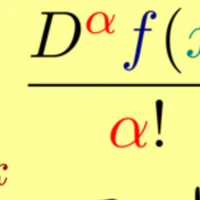
Analyzing black-hole ringdowns II: data conditioning
Time series data from observations of black hole ringdown gravitational waves are often analyzed in the time domain by using damped sinusoid models with acyclic boundary conditions. Data conditioning operations, including downsampling, filtering, and the choice of data segment duration, reduce the computational cost of such analyses and can improve numerical stability. Here we analyze simulated damped sinsuoid signals to illustrate how data conditioning operations, if not carefully applied, can undesirably alter the analysis' posterior distributions. We discuss how currently implemented downsampling and filtering methods, if applied too aggressively, can introduce systematic errors and skew tests of general relativity. These issues arise because current downsampling and filtering methods do not operate identically on the data and model. Alternative downsampling and filtering methods which identically operate on the data and model may be achievable, but we argue that the current operations can still be implemented safely. We also show that our preferred anti-alias filtering technique, which has an instantaneous frequency-domain response at its roll-off frequency, preserves the structure of posterior distributions better than other commonly used filters with transient frequency-domain responses. Lastly, we highlight that exceptionally long data segments may need to be analyzed in cases where thin lines in the noise power spectral density overlap with central signal frequencies. Our findings may be broadly applicable to any analysis of truncated time domain data with acyclic boundary conditions.
Low-light Image Enhancement via CLIP-Fourier Guided Wavelet Diffusion
Low-light image enhancement techniques have significantly progressed, but unstable image quality recovery and unsatisfactory visual perception are still significant challenges. To solve these problems, we propose a novel and robust low-light image enhancement method via CLIP-Fourier Guided Wavelet Diffusion, abbreviated as CFWD. Specifically, CFWD leverages multimodal visual-language information in the frequency domain space created by multiple wavelet transforms to guide the enhancement process. Multi-scale supervision across different modalities facilitates the alignment of image features with semantic features during the wavelet diffusion process, effectively bridging the gap between degraded and normal domains. Moreover, to further promote the effective recovery of the image details, we combine the Fourier transform based on the wavelet transform and construct a Hybrid High Frequency Perception Module (HFPM) with a significant perception of the detailed features. This module avoids the diversity confusion of the wavelet diffusion process by guiding the fine-grained structure recovery of the enhancement results to achieve favourable metric and perceptually oriented enhancement. Extensive quantitative and qualitative experiments on publicly available real-world benchmarks show that our approach outperforms existing state-of-the-art methods, achieving significant progress in image quality and noise suppression. The project code is available at https://github.com/hejh8/CFWD.
RIGID: Recurrent GAN Inversion and Editing of Real Face Videos
GAN inversion is indispensable for applying the powerful editability of GAN to real images. However, existing methods invert video frames individually often leading to undesired inconsistent results over time. In this paper, we propose a unified recurrent framework, named Recurrent vIdeo GAN Inversion and eDiting (RIGID), to explicitly and simultaneously enforce temporally coherent GAN inversion and facial editing of real videos. Our approach models the temporal relations between current and previous frames from three aspects. To enable a faithful real video reconstruction, we first maximize the inversion fidelity and consistency by learning a temporal compensated latent code. Second, we observe incoherent noises lie in the high-frequency domain that can be disentangled from the latent space. Third, to remove the inconsistency after attribute manipulation, we propose an in-between frame composition constraint such that the arbitrary frame must be a direct composite of its neighboring frames. Our unified framework learns the inherent coherence between input frames in an end-to-end manner, and therefore it is agnostic to a specific attribute and can be applied to arbitrary editing of the same video without re-training. Extensive experiments demonstrate that RIGID outperforms state-of-the-art methods qualitatively and quantitatively in both inversion and editing tasks. The deliverables can be found in https://cnnlstm.github.io/RIGID